Mission impossible in digital product
The Mission Impossible saga builds its set pieces first and finds the story afterwards, a working method digital product teams can borrow for features.
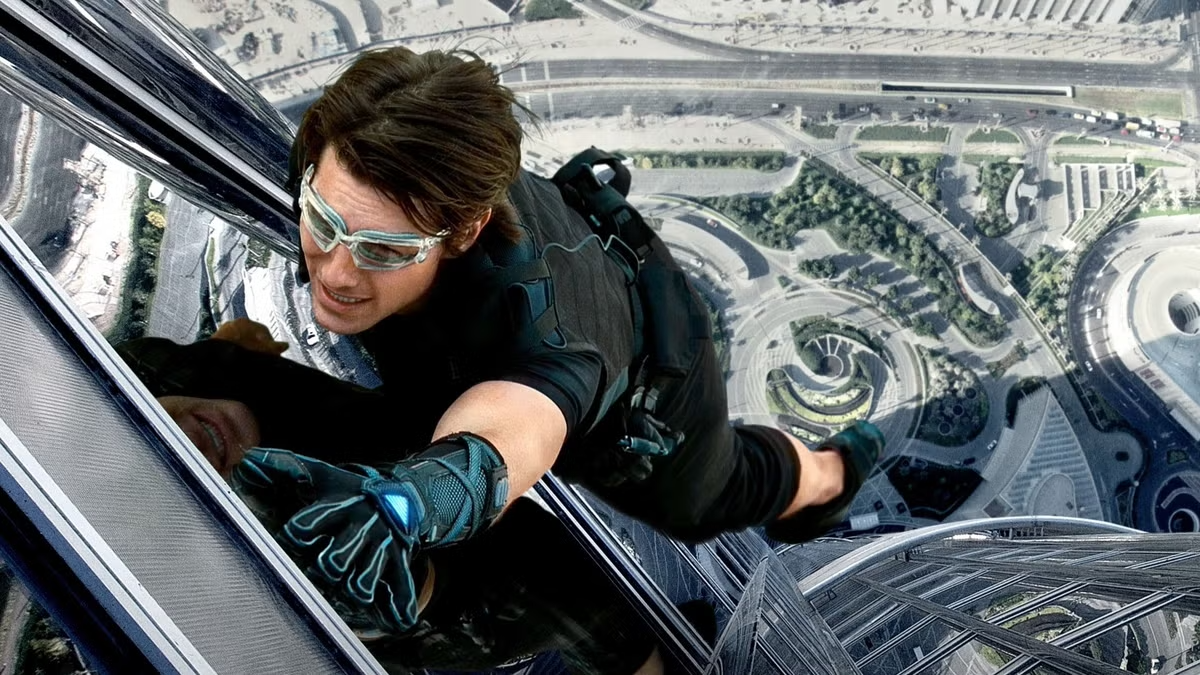
The connection between digital products and the art of cinema offers many interesting ideas. When I've shared it in talks, texts, and also in the Programa Tramontana for product management, objections often come up about the different pace of each industry. While people appreciate how fertile the concept of a screenplay as the engine of a feature is, its creative processes raise reservations: how far is it necessary to replicate them? How deep should a scripted story go? What kind of initiatives best fit that model?
In this Instagram reel you can see that cinema itself also has its variability. Based on an article where the cast of the Mission Impossible saga explains how they work, Jason Pargin stops to analyze the originality of this approach that takes action scenes as its central pieces and builds the story around them.
This approach still incorporates the decisive factor of a story: a center is chosen around which the rest is built. In this case, a series of action scenes. Improvisation is also an aspect that plays an important role, both in the development of the story itself and of the characters themselves, who are often understood and built on the fly.
The whole thing sounds familiar: the action scenes could be features or technological pieces considered protagonists —many now revolving around AI— and teams build them first to then connect them; improvising a bit to find their own meaning; and sometimes also abandoning them later because they ultimately don't work.
As the saga's own cast says: The story is always changing.