What the Movie Is About at Dcycle
Many companies struggle to get anything out of AI. At Dcycle it has become an ally, because it had something worth amplifying: a way of making product that AI didn't replace but enriched, the way every new tool has enriched cinema without changing what a film is.

The Dcycle team on our last outing to the sierra, standing on a ledge of sandstone laid down one layer at a time over millions of years.
Someone in Customer Success, or in Sales, types a question into Slack: how is this client doing? A few seconds later the answer arrives, and it doesn't speak in scores. It says they haven't uploaded data in six weeks, that they only use a fraction of what they signed up for, and that it might be worth calling them before the renewal conversation starts on the wrong foot. The one answering is Disicler, an agent that lives in our backend and never sleeps. That same afternoon it has reviewed a handful of pull requests, drafted the release notes and proposed a fix for an issue the Response Team hadn't got to yet.
I could tell this as a story about AI. It would be the least interesting version. What I want to talk about is why this works at Dcycle when, in so many companies, the same tools produce little more than a licence invoice and a vague sense of disappointment.
The paradox, again
In 1987 Robert Solow wrote a sentence that has aged better than almost anything written about technology:
"You can see the computer age everywhere but in the productivity statistics."
— Robert Solow, "We'd Better Watch Out", The New York Times Book Review (12 July 1987)
Offices were full of computers and the numbers didn't move. It took more than a decade for them to do so, and when they did, it wasn't because the machines had improved. Organisations had finally learned to work differently around them.
Erik Brynjolfsson and Andrew McAfee gave that delay a shape in The Second Machine Age: a J-curve. Productivity dips while the organisation rearranges itself, and only then does it climb. The dip is the cost of learning, and plenty of companies never get past it.
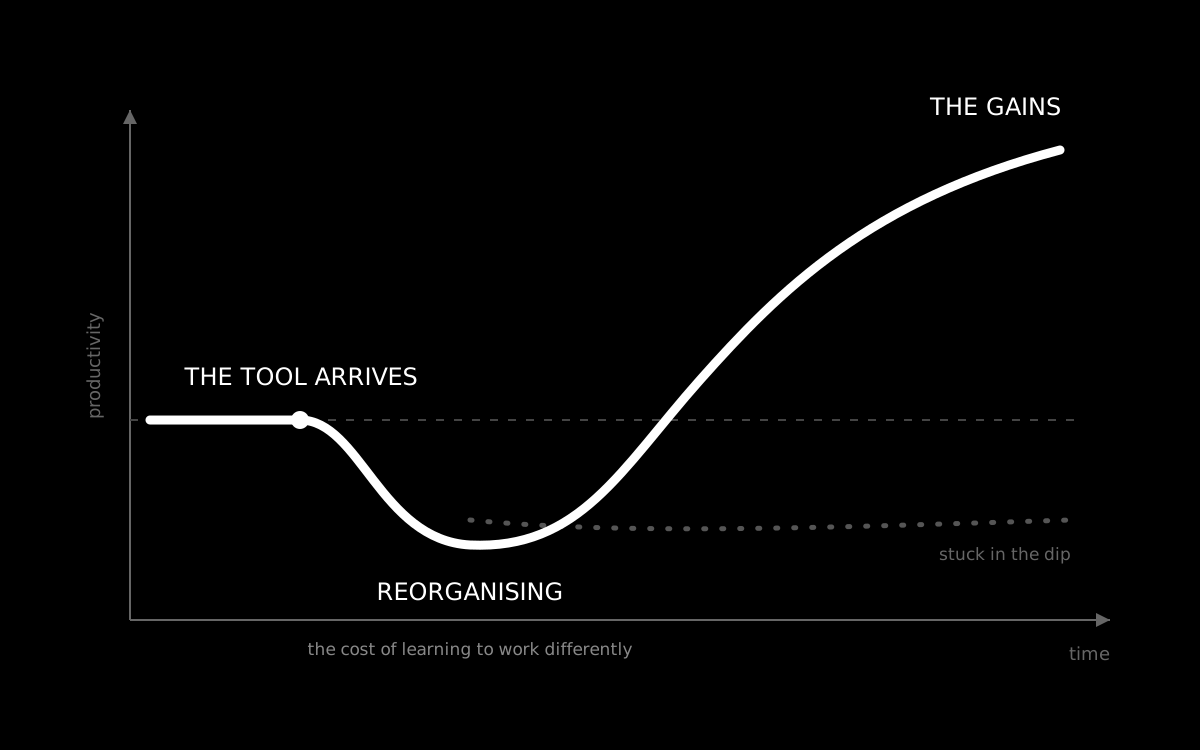
We are living through the same scene with AI. Everyone has the tools. Very few have found the fun in them. And the difference, as with the computers of the eighties, doesn't lie in the tool.
What is this movie about?
Sidney Lumet directed more than forty films over half a century, from 12 Angry Men to Network. Towards the end of his career he wrote Making Movies, one of the least pretentious books anyone has written about a creative craft. In it he insists that before choosing a lens, an actor or a location, one question has to be answered: what is this movie about? He meant something deeper than the plot: the reason the film deserves to exist. The answer decides everything else:
"What the movie is about will determine how it will be cast, how it will look, how it will be edited, how it will be musically scored, how it will be mixed, how the titles will look, and, with a good studio, how it will be released. What it's about will determine how it is to be made."
— Sidney Lumet, Making Movies (1995)
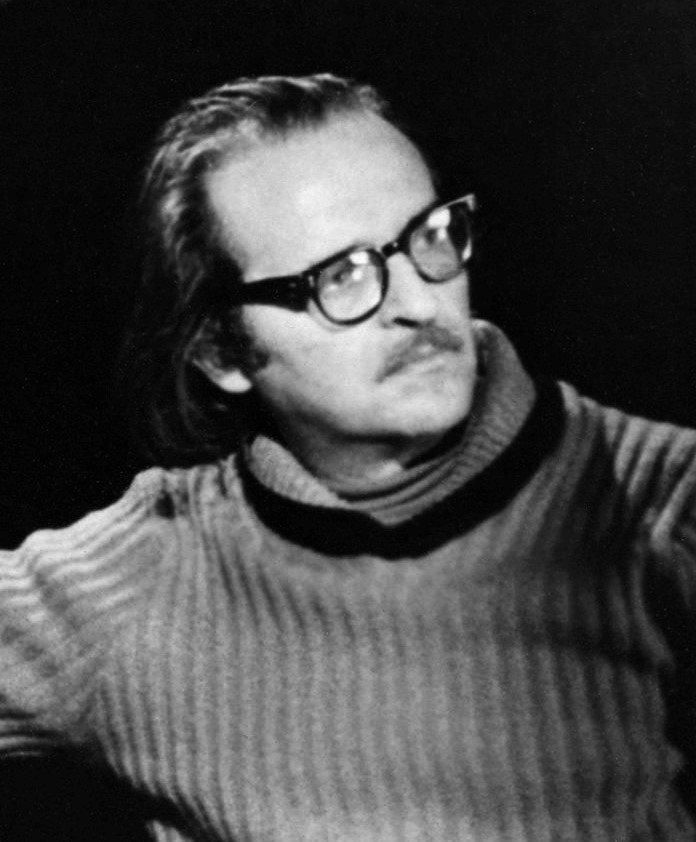
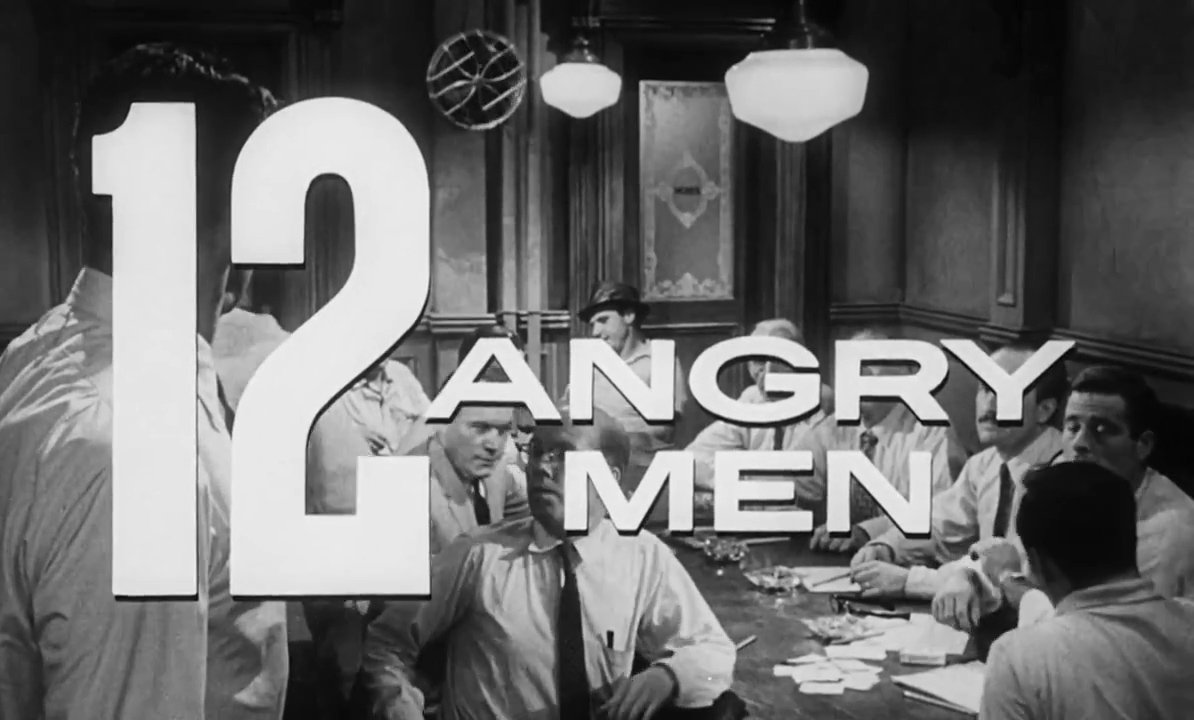
In 12 Angry Men, a film about twelve men locked in a room, Lumet decided that the room had to close in on them. He started with wide lenses and the camera above eye level, and as the film advanced he moved to longer lenses and lowered the camera, until by the end the walls seemed to press against the actors. Few viewers notice. They all feel it. Technique was at the service of an idea about the film, never the other way round.
Lumet began in live television in the fifties, when a mistake went out on air with no possible repair. He lived through colour, new lenses, faster film stock, electronic editing. At eighty-three he shot his last feature, Before the Devil Knows You're Dead, on high-definition digital, without nostalgia for celluloid. Every new tool made his films better. None of them changed the question.
Product development works the same way. The tools change every few years (and now every few months), but the fundamentals that make a good product aren't technological. They consist of talking to the people who use what you build, thinking before building, writing to understand, working in small teams close to the material, and iterating with the humility of someone who knows they will get it wrong. AI enriches all of that the way digital enriched Lumet's films. Where those fundamentals are missing, it has nothing to hold on to.
A year ago
It would be dishonest to present Dcycle as a company that was always ready for this moment. A year ago the product team was tired. Most of its energy went into putting out fires, the platform creaked under the weight of promises made faster than they could be kept, and nobody had the calm needed to think about anything beyond the next incident.
What happened next wasn't a technological leap. It was a decision about what the movie was about. We chose to stop growing for a while so that we could hold on to what we had: take care of the people who already trusted us, make the product reliable, give the team back the ability to breathe. It asked something of every team: sales had to sell what we could keep, customer success held on to every account, operations and product rebuilt the foundations while the house was still lived in. Only then did it make sense to build the foundations for everything else. The most revealing thing about that period is what happened when it ended: we reorganised again, not because the previous structure had failed, but because it had done its job. A team that spent a year putting out fires deserves to hear that it put them out.
AI arrived in the middle of all that, and it arrived at the right moment. It came as an ally for people who had just remembered how they wanted to work.
The amplifier
In 1962, when computers still filled entire rooms, Douglas Engelbart set out his aim:
"By 'augmenting human intellect' we mean increasing the capability of a man to approach a complex problem situation, to gain comprehension to suit his particular needs, and to derive solutions to problems."
— Douglas Engelbart, Augmenting Human Intellect: A Conceptual Framework (1962)
He never spoke of replacing anyone. And he warned of something that is usually forgotten: capability doesn't live in the tool, but in the system formed by the tool, language, methods and training. Change only the artefact and the gains are marginal.
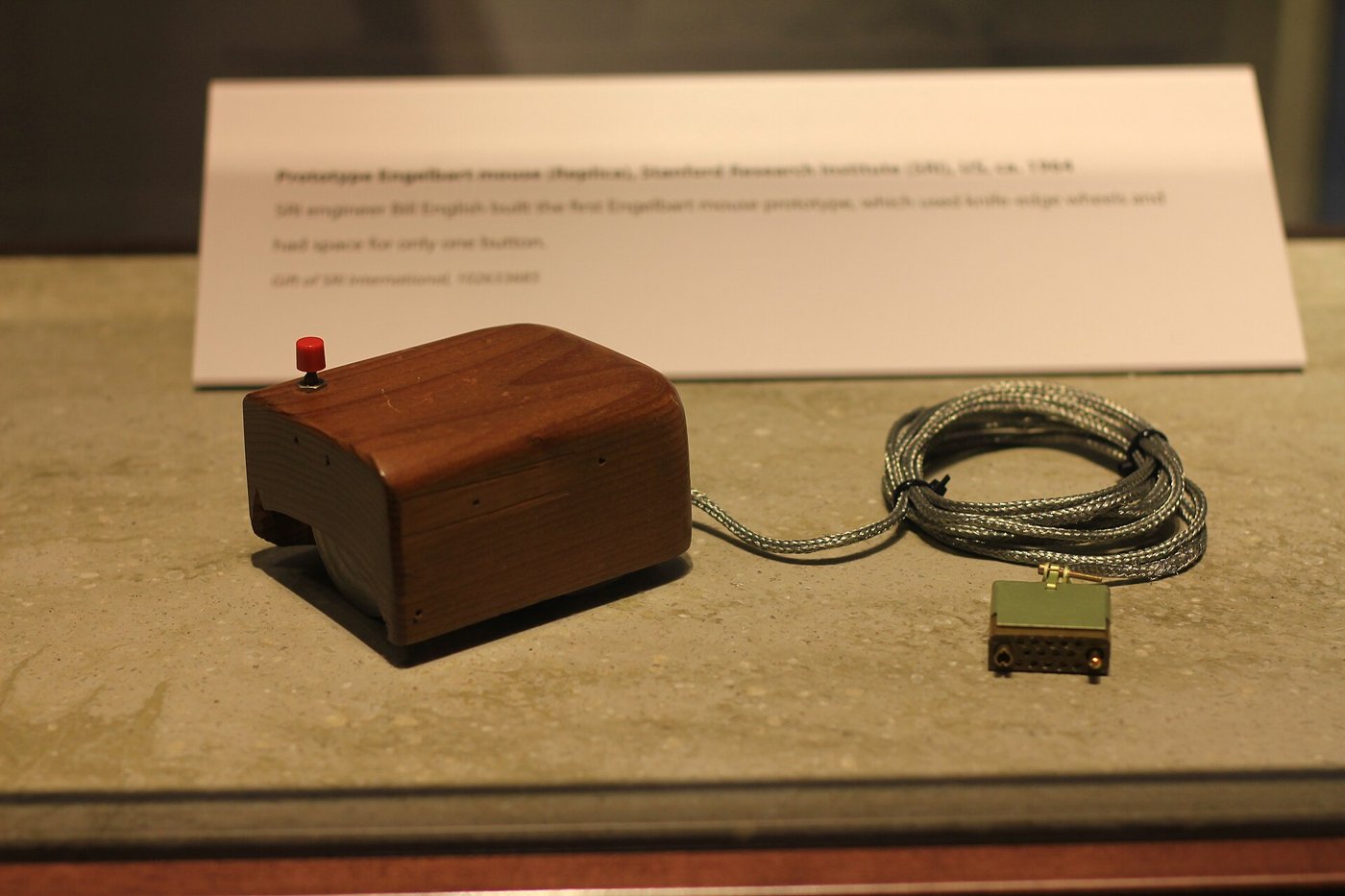
Two years earlier J.C.R. Licklider had imagined a symbiosis in which the machine took on the routine work so that people could devote themselves to setting goals and judging:
"The hope is that, in not too many years, human brains and computing machines will be coupled together very tightly, and that the resulting partnership will think as no human brain has ever thought and process data in a way not approached by the information-handling machines we know today."
— J.C.R. Licklider, "Man-Computer Symbiosis" (1960)
The whole history of the internet can be told from there: the ARPANET, the personal computer, the web of Tim Berners-Lee. Each of them was, at heart, an amplifier.
An amplifier has an uncomfortable property: it amplifies whatever you plug into it, noise included. An organisation that doesn't know what its movie is about will produce, with AI, more of the same confusion, faster. That, I suspect, is what explains so much disappointment. It isn't that the technology doesn't work. It's that it works too well on something that wasn't working.
Old practices, new instruments
What moves me most about the past year at Dcycle is how AI has slipped into practices that were already ours, and made them better without making them unrecognisable.
We have always believed that discovery is a continuous habit and that anyone can contribute to it. For years that meant a database of signals that anyone in the company could feed, from a sales call, a support ticket or a conversation at an event, piling up faster than anyone could read them. Recently someone reread eight hundred of them in one go, reading them as evidence of what was missing in the product rather than as a list of requests. That is where a few deep capabilities emerged, from which hundreds of small complaints hung. It's the same idea as always (listen to the job the client is trying to get done, not the feature they ask for), but now we can listen at a scale that used to be impossible without losing the nuance.
We have always preferred to think before writing code. Before building anything we write its story: the struggle it addresses, the appetite we're willing to invest, the rabbit holes, what we won't do yet. When part of the work is done by agents, that text stops being a formality and becomes the most important piece of all. Writing well, which was always a way of thinking well, is now also the way to direct the work. It's also what lets marketing, sales and customer success prepare early, instead of discovering what we've built on the day it ships.
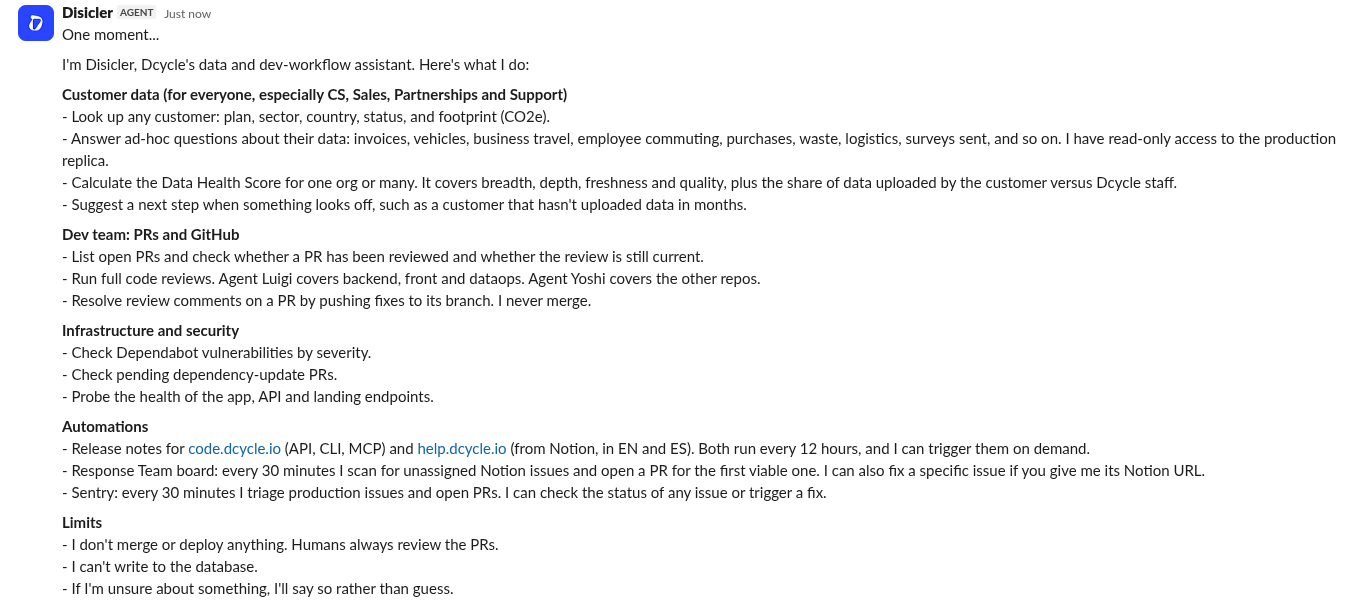
Disicler is perhaps the most complete example. It was born in February as a small tool that answered questions about data, and it has grown one capability at a time, each in its own module, as if someone had reread the foreword Doug McIlroy co-signed in 1978 to present Unix to the world:
"Make each program do one thing well. […] Use tools in preference to unskilled help to lighten a programming task, even if you have to detour to build the tools and expect to throw some of them out after you've finished using them."
— M. D. McIlroy, E. N. Pinson and B. A. Tague, "UNIX Time-Sharing System: Foreword", The Bell System Technical Journal (1978)
Today it reviews code, writes release notes, watches over the infrastructure and helps the Response Team. It also learns: when someone approves an answer, it keeps it; when it gets something wrong, it records the failure and extracts a lesson. When it believes the problem lies in its own code, it prepares a fix and proposes it, but its rules forbid it from putting that fix into production on its own. Taiichi Ohno called something very similar jidoka: automation with a human touch, the machine that can stop the line and flag the problem but leaves the decision to a person.
And perhaps the detail I like most: some of the best agents at Dcycle weren't built by engineering. The people in Customer Success built their own, each one adapted to their way of working, to prepare their meetings, draft replies grounded in real data, and warn them when a client starts to drift away in silence. Their guide says that what works for one person doesn't necessarily work for everyone, and that it's a template to copy, edit and improve.
It didn't stop there. Sales keeps its own repository of automations, written by salespeople: a pre-read that prepares each week's kick-off, a daily notice to SDRs and partnerships when a new qualified lead arrives, a Friday digest of how revenue is moving. Marketing built a tool that joins what we spend on campaigns with what actually happens in the pipeline, and it even measures how visible we are in the answers that AI engines give. Operations work with agents that know the rules of each repository, and our security checks run on every machine in a way that lets each person see their own results first. It spread the way good habits spread: someone shows a colleague what they've built, and the colleague makes their own version.
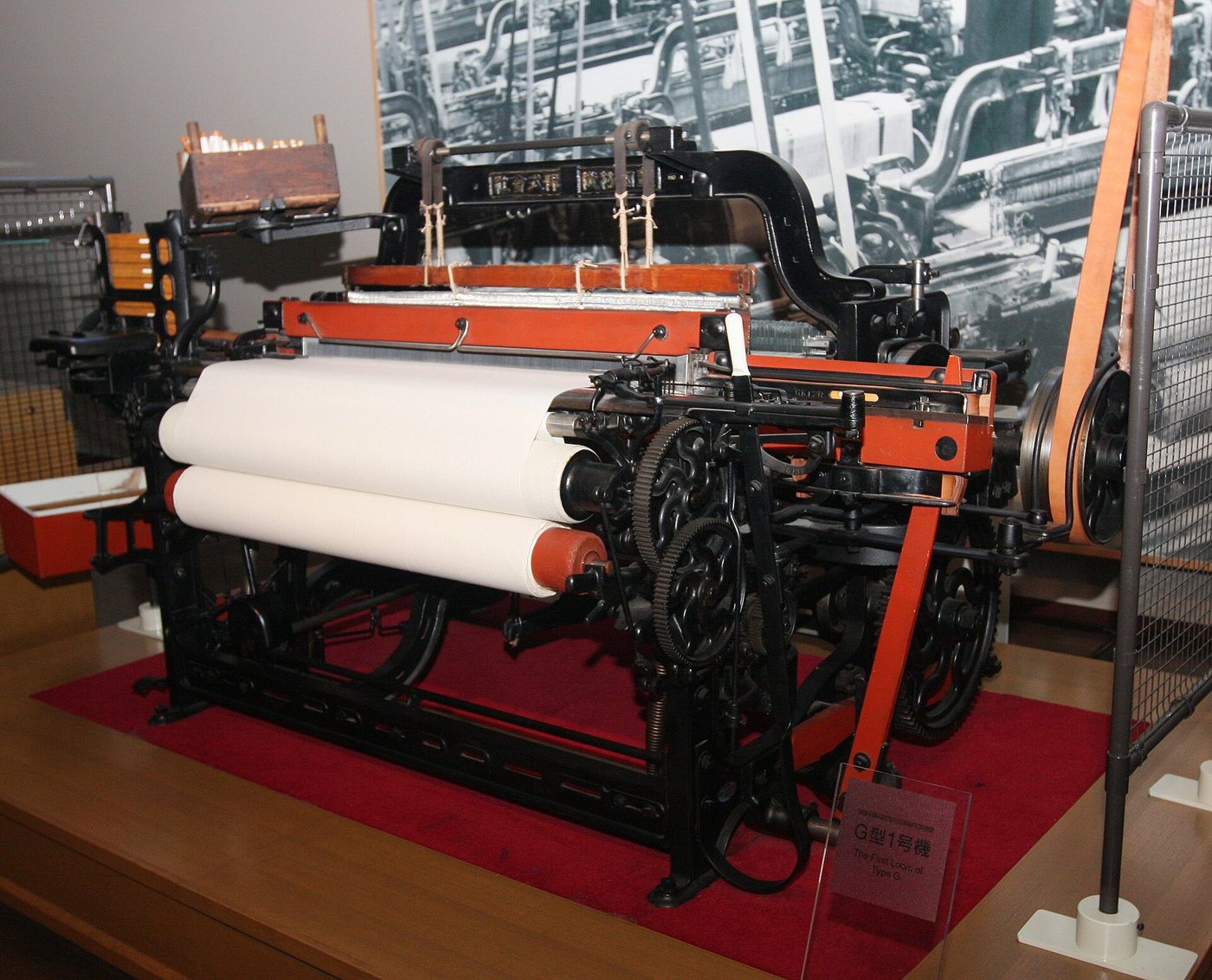
All of this is what Takeuchi and Nonaka described in 1986, when they compared product development with rugby:
"The 'relay race' approach to product development […] may conflict with the goals of maximum speed and flexibility. Instead a holistic or 'rugby' approach — where a team tries to go the distance as a unit, passing the ball back and forth — may better serve today's competitive requirements."
— Hirotaka Takeuchi and Ikujiro Nonaka, "The New New Product Development Game", Harvard Business Review (1986)
We've been saying for years that we don't believe in rigid roles and that the people closest to the material decide best. AI has made that true in a way we couldn't have made it on our own.
Speed with a destination
Lumet was famous in the industry for something less glamorous than his films: he was fast. He rehearsed with his actors for weeks, almost as if it were theatre, and then shot in very few days, often under budget. His speed came out of the craft. Having answered what the film was about, he didn't need to discover it on set.
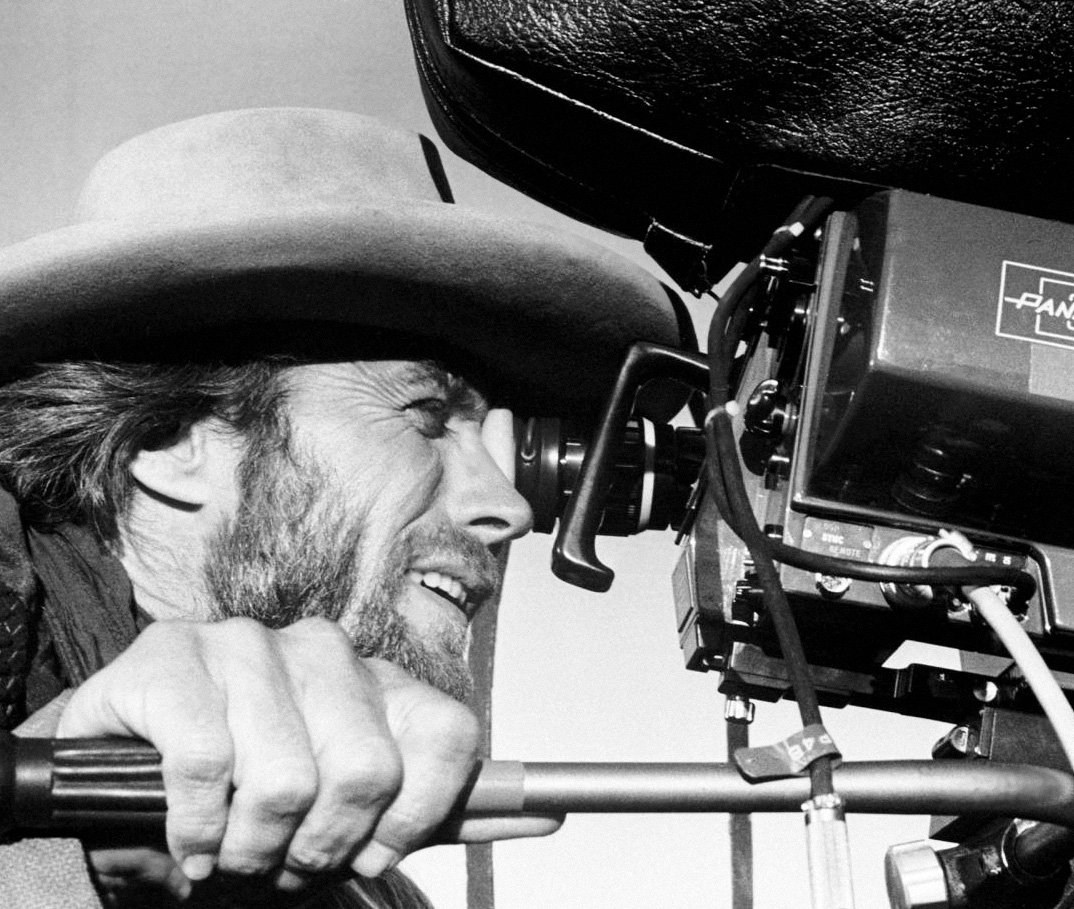
Clint Eastwood has the same reputation, perhaps even more so. On his sets nobody shouts "action". He often keeps the first or second take, tends to finish ahead of schedule and under budget, and has worked for decades with the same small crew. Actors who arrive expecting to repeat a scene twenty times discover that he trusts the preparation, the crew and them. The speed comes from that trust, and the trust took years to build.
What Eastwood protects on set isn't a method. It's a mood. People who have worked with him describe a calm, almost familial set, where nobody raises their voice and crews come back film after film. Chemistry comes before good work, and is what makes it possible. A team that enjoys working together forgives mistakes, dares to show an idea that is only half finished, asks for help without fear. That is what makes it possible to keep the first take.
At Dcycle we wrote it into our principles long before any agent existed: we want to put as much effort into hard work as into a good laugh, and we see what we do as a wonderful way to have fun and foster creativity. We even hand out our own anti-awards once a year, to celebrate our most memorable blunders. It may look like a detail unrelated to AI. I think it's the opposite. Having fun with a new tool first requires having fun with the people around you. That's where the curiosity to try it comes from, the trust to show what went wrong and the generosity to share what went right. Companies that can't find the fun in AI have often lost it earlier, somewhere else.
Speed has come to us too, and it's probably the change our clients notice most, even if they never see where it comes from. Speed at Dcycle has a destination: someone on the other side, waiting.
When a client reports that something is broken, the Response Team (the squad that, after each product cycle, spends a stretch answering whatever comes up) now has an ally that goes through unassigned issues every half hour and proposes a first fix, and another that triages production errors before anyone has written a ticket. The client's problem no longer waits in a queue.
None of this would last if it were only duty. Linus Torvalds, who started Linux as a student's hobby, put it without any solemnity:
"There are three things that have meaning for life. They are the motivational factors for everything in your life — for anything that you do or any living thing does: The first is survival, the second is social order, and the third is entertainment. […] So what this builds up to is that in the end we're all here to have fun."
— Linus Torvalds, Just for Fun: The Story of an Accidental Revolutionary (2001)
When a client has a need, the distance between hearing it and answering it has shrunk. One of them came to us tired of chasing colleagues by hand to get their tasks moving; not long after, they had notifications, reminders and a daily digest. It's a small thing. For the person who was doing the chasing, it isn't.
When a regulation appears that will change our clients' year (packaging, carbon at the border, deforestation), we can explore it, prototype and, together with marketing and sales, put something in their hands while it is still a question and not yet a deadline. Anticipating needs before they become demand used to be an aspiration. It has become a habit.
And the time AI gives back to the people who look after clients doesn't vanish into more tasks. It returns as attention: walking into every meeting, a first demo or a renewal, knowing what happened in the last one, noticing a client who is drifting away in silence before they decide to leave, having an hour to think about what would genuinely help them. Happy clients are built with that attention, sustained over time, far more than with features.
That is the part of the speed I care about: making the time between a client's problem and its answer shorter and shorter, until, on good days, the answer arrives before they have finished asking.
What remains ours
Not everything is shiny, and pretending otherwise would betray the spirit of the thing. When we reviewed the signals that mentioned AI, more than half described failures in what we had already built, not requests for something new. An agent that answers wrongly erodes trust faster than a slow screen. That's why we measure it, why we test it, and why we don't let it decide alone where the consequences are hard to reverse.
There is a subtler tension, too. Michael Caosun and Sinan Aral call it the augmentation trap: the same tool that makes you more productive today can leave you less capable tomorrow, if it takes away the practice through which judgment is maintained. An amplifier can also atrophy the hand that plays. I don't have a complete answer to that risk, and I distrust anyone who says they do. I do have a clue, and it's in a small detail of the Customer Success agents: every client profile has a section of manual notes that no agent is allowed to touch. It's a modest space, almost domestic. It's also a statement of principle about where the judgment lives.
The credits
The image that heads this text shows the team on our last outing to the sierra, gathered on a ledge of red sandstone. I chose it on purpose. That rock was laid down layer upon layer, and each stratum rests on the ones below without erasing them. Product practice works like that: iteration, small teams, writing, listening to the client, and now AI, the latest layer, which holds only because the others are there.
It also works as a credit roll. At the end of every film come the names, and anyone who stays to read them discovers that behind every scene there were dozens of trades. Ours would be a long roll too: sales opening every conversation, marketing turning each release into a story worth telling, customer success looking after every account, product and engineering building it, operations keeping the whole thing standing, and the people who make sure that, once in a while, we all end up on a mountain together. Each of them knows what the film is about and makes their own decisions in its service. In Lumet's book, the director is above all the one who keeps that question alive.
What I'm proud of isn't that Dcycle uses AI. It's that when it arrived, it found a whole company, not just a product team, that knew what its movie was about. Every new tool will add something, the way sound, colour and digital added something to cinema. What will decide whether it improves us or simply accelerates us will still be the same question, the one no machine can answer for us.