Your product is contexts and intentions
From a list of attributes to the course of action: why contexts and empathy decide better what to build, and what to sacrifice, in a digital product.
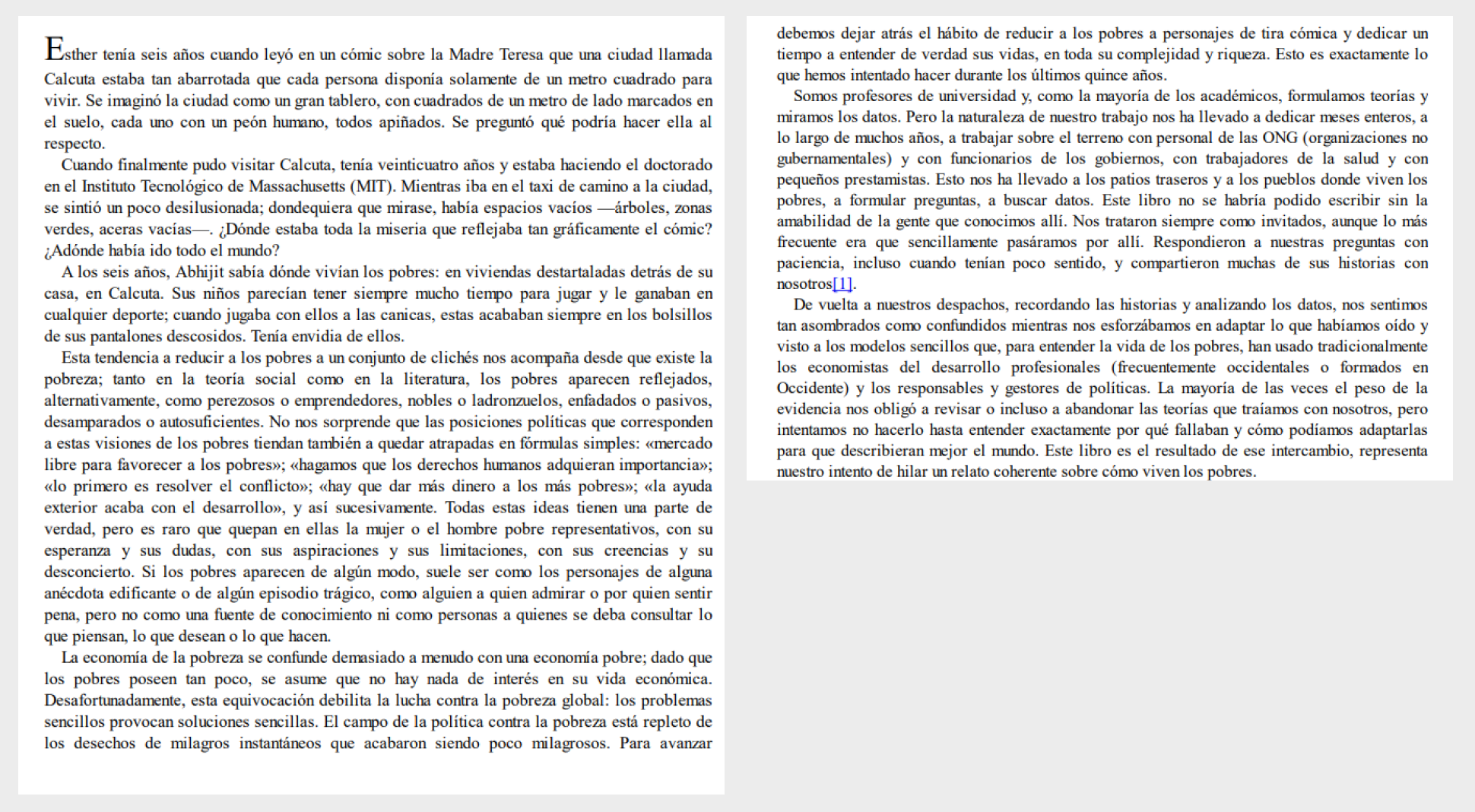
Having covered the first two blocks of the programme, focused on general principles and on the analytical and quantitative perspective, we opened the third block by enriching that first journey with the contexts and intentions in which the people using our products are inscribed.
Since the programme favours drawing material and lessons from other disciplines, especially from the social sciences, we took as our starting point the introduction to A. V. Banerjee and E. Duflo's "Poor Economics: A Radical Rethinking of the Way to Fight Global Poverty". In it, two development economists help us resist reducing the people who use our products to clichés — and resist framing conjectures, opportunities, initiatives or features in the kind of simple formulas that do so much damage to political solutions.
The parallel is closer than it looks. Banerjee and Duflo describe development policies designed by people who have never sat in someone's back yard asking why they do not buy a mosquito net that costs pennies. The answer is almost never the one in the model. Models and data become more robust with back yards.
From attributes to contexts
Everything we have looked at so far needs colour. Since we make decisions in order to convince someone, we need to understand that "someone" as a whole and not merely as a list of attributes. How we compose that "someone" is also how we orient the product.
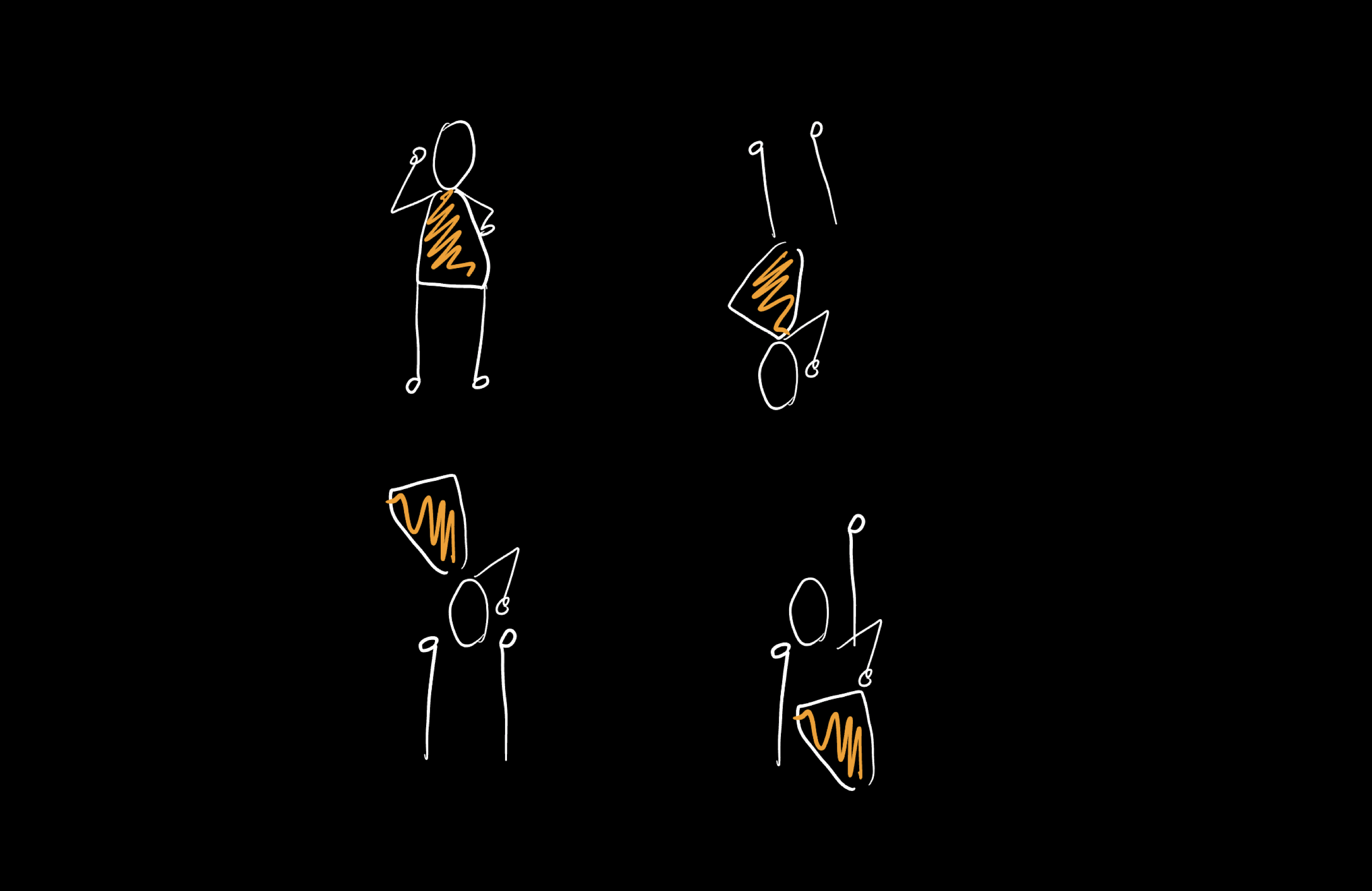
Sometimes you get the feeling your product is missing its point.
The course of their action is where attributes can best be anchored. We can benefit from everything context-oriented design has achieved over the decades: when we add a feature to our product, we are looking for an outcome that connects with something before and after the product. We look at the world as a flow.
You are dealing, therefore, with vectors and not with record cards.
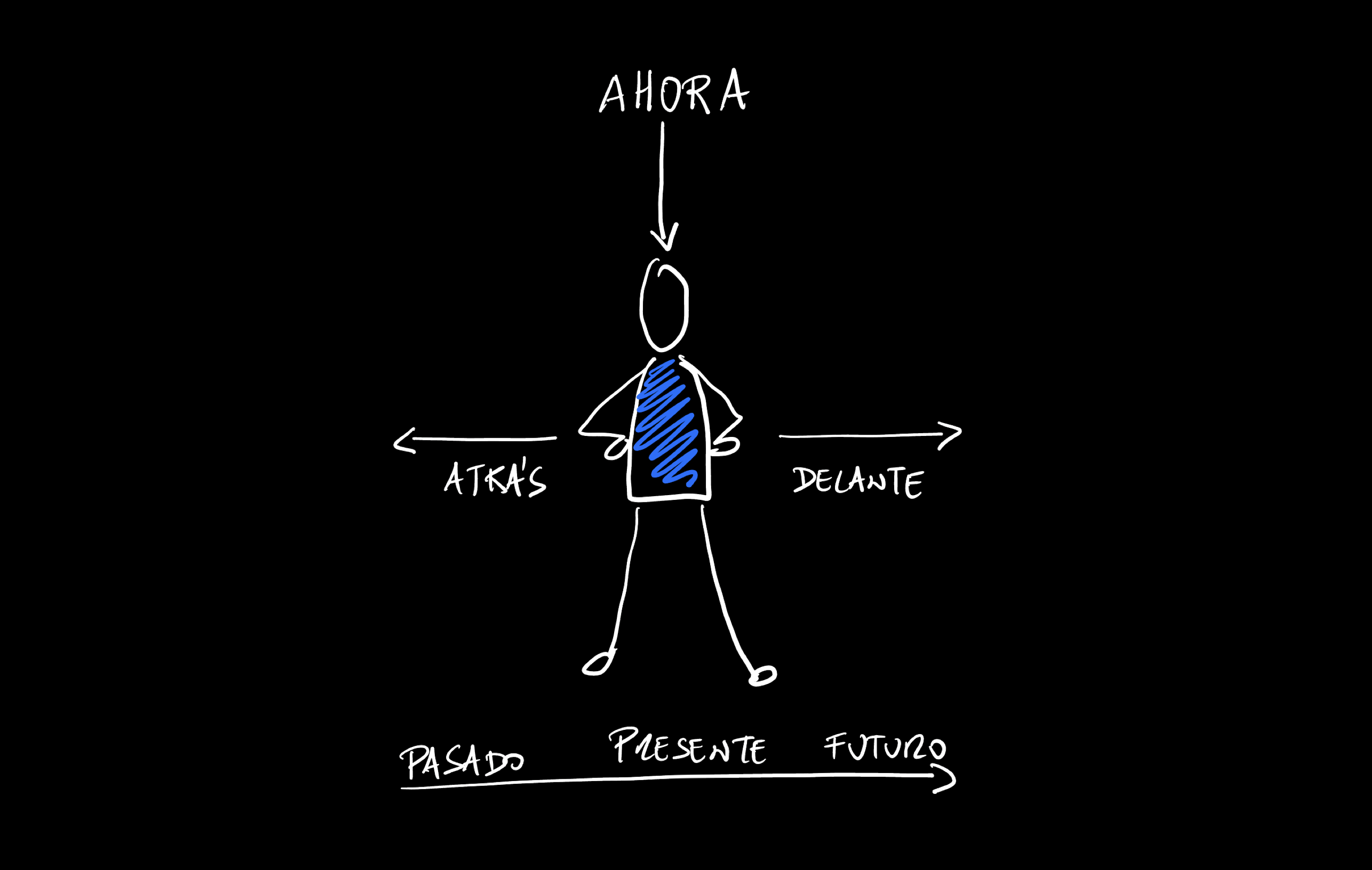
Someone's now has a behind and an ahead.
From that perspective you can begin to understand yourself as a bridge across whatever is stopping someone from getting somewhere. We could call this progress. The circumstance that person is in is shaped both by negative forces — habit and uncertainty, mainly — and by positive ones — solution and attraction. If you only conceive of your product from the supply side, which is the usual case, you are missing its entire demand dimension.
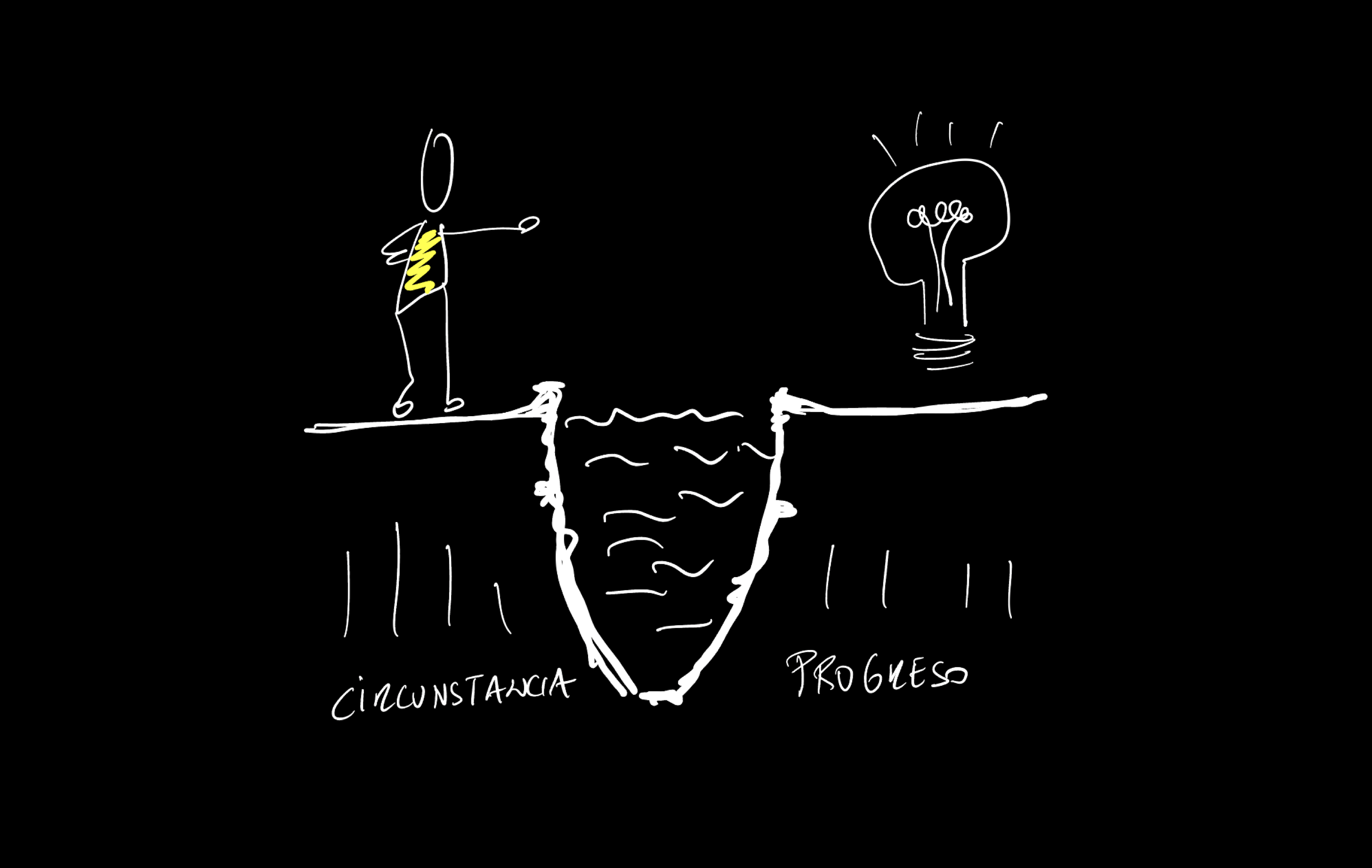
What kind of bridges are you building?
The negative forces deserve a pause, because they are the worst documented. Habit never comes up in a product meeting and is nonetheless the hardest competitor to beat: the current way of solving the problem, however bad, already works well enough and requires learning nothing. Uncertainty is not recorded either: nobody writes in a ticket that a feature goes unused because people are afraid of getting it wrong.
Contexts help you look further
A focus on contexts has several positive effects on how you steer a digital product.
First, it lets you redefine your competitive quadrant. Since you have learned to connect with needs, desires and frustrations, and since these cut across industry classifications of competition — what we usually mean by "direct competitor" — you have more room to rethink and reposition your product. You have, therefore, more capacity to respond to the market.
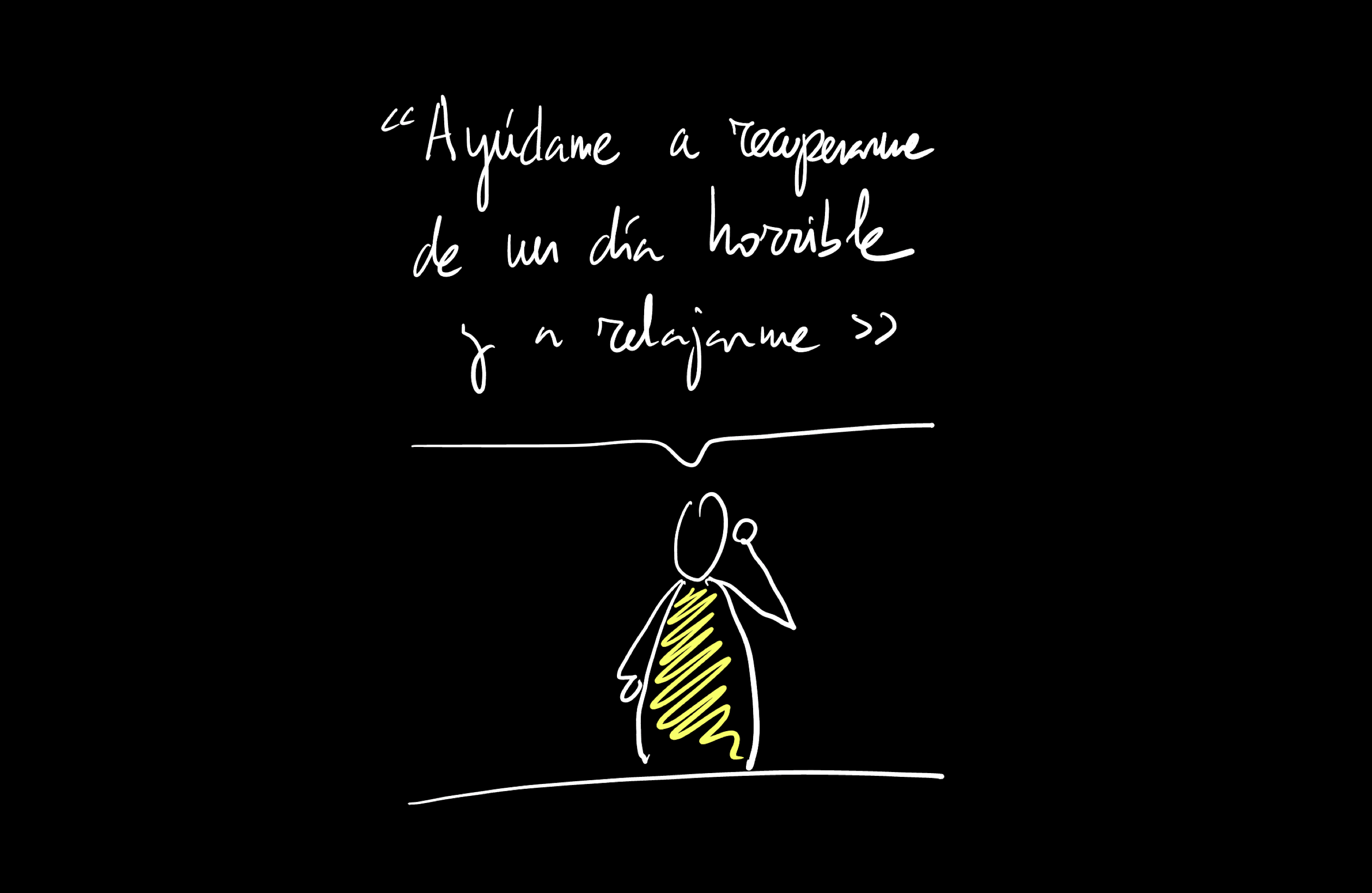
Needs do not respect the borders of an industry.
It also lets you keep your product's mission without identifying it entirely with its current state, widening the set of opportunities you can consider as strategic options. The best way to keep a product alive is to think of it beyond its present implementation.
Alongside this, you understand people's journeys better: they do not begin the moment someone is using your product, but much earlier, and in ways that would otherwise stay completely hidden from you.
Finally, with a better grasp of contexts you can decide sacrifices better, avoiding both the refusal to make them and the habit of making them without a compass. Since you have to make sacrifices, make them connected to your demand contexts.
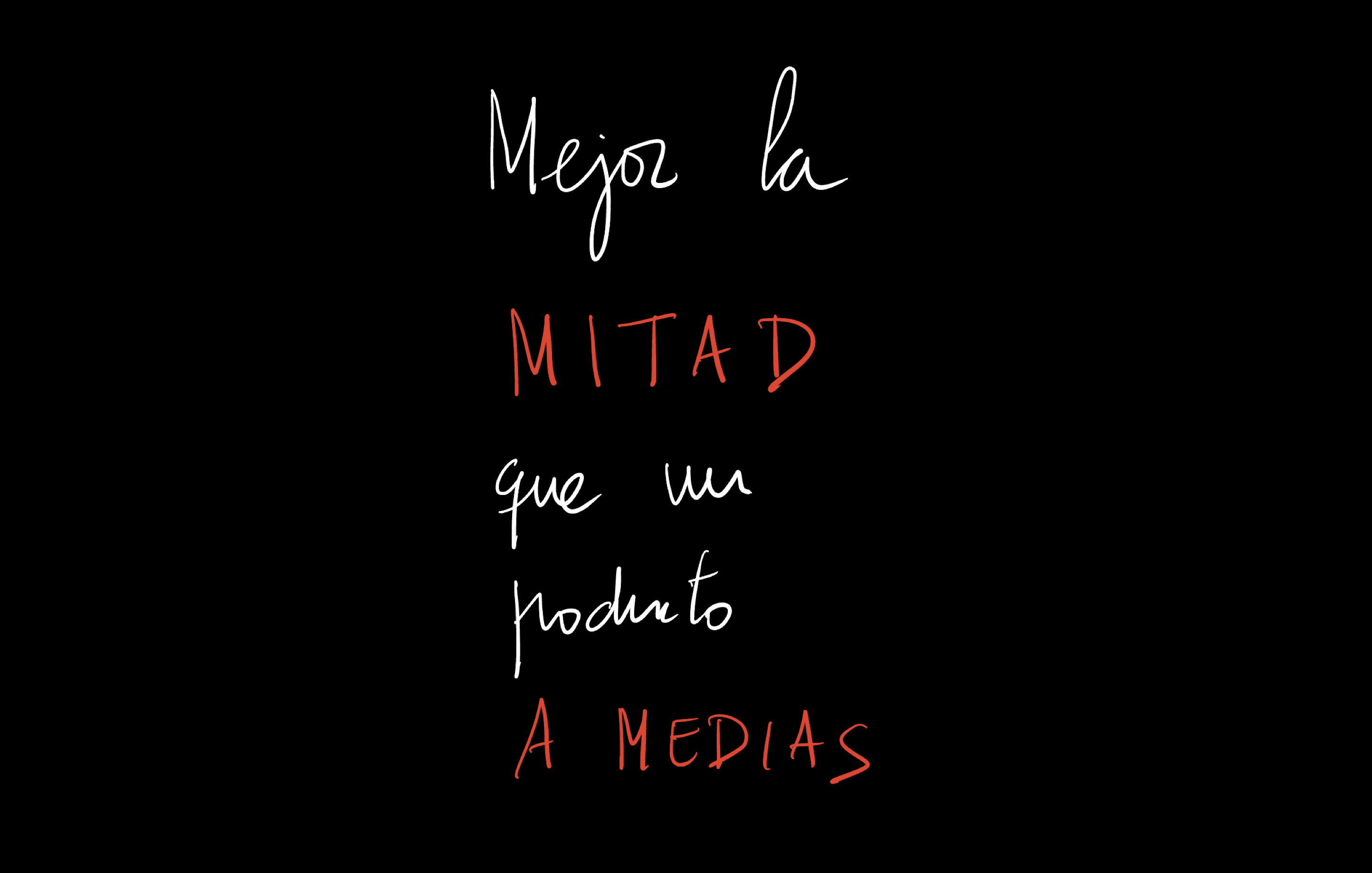
Better half a product than a half-done one.
Develop your empathic sense
Empathy plays a crucial part in product management. It is an attitude, a disposition, and it can be developed through a set of practices as well as through sources that encourage it — among which literature undoubtedly stands out.
Any decision we make to add or remove something from a product should be educated by some form of empathy, in order to shorten the distance to the people who will end up enjoying or suffering that change. If we look at the product development flow from the elements that help make a decision through to the moment we decide, then just as we have looked to metrics for a compass, empathy should also help us find a direction.

In the programme we like to learn through debate and controversy.
Empathy is usually understood as the art of imagining ourselves in someone else's shoes in order to understand their emotions and perspectives. Empathy is a kind of self-estrangement, in the sense that you make an effort to stop being yourself, somehow, in order to start being another person. Either by imagining how things look from that other perspective, or by trying to reproduce someone else's set of emotions. That estrangement matters in product work because it lets us orient our actions; without it, we would make worse decisions.
Empathy strengthens your decisions
As the programme advances we keep assembling the pieces of what I like to call the discovery machine. It consists of rationalising how we arrive at a conclusion that in turn triggers a decision. It works, therefore, with moments, with states through which the thing that will lead us to build something gets validated. Empathy should be the liquid in which we submerge that whole machine.
To begin with, an excellent way of practising empathy is to prove ourselves wrong. That is, forcing ourselves to find evidence that what we believe is not the case. It is a way of forcing yourself to validate your assumptions, and I like to place it at a moment I call "capture", where the assumptions accompanying an opportunity are put to the test. Always stay detached from your conclusions.
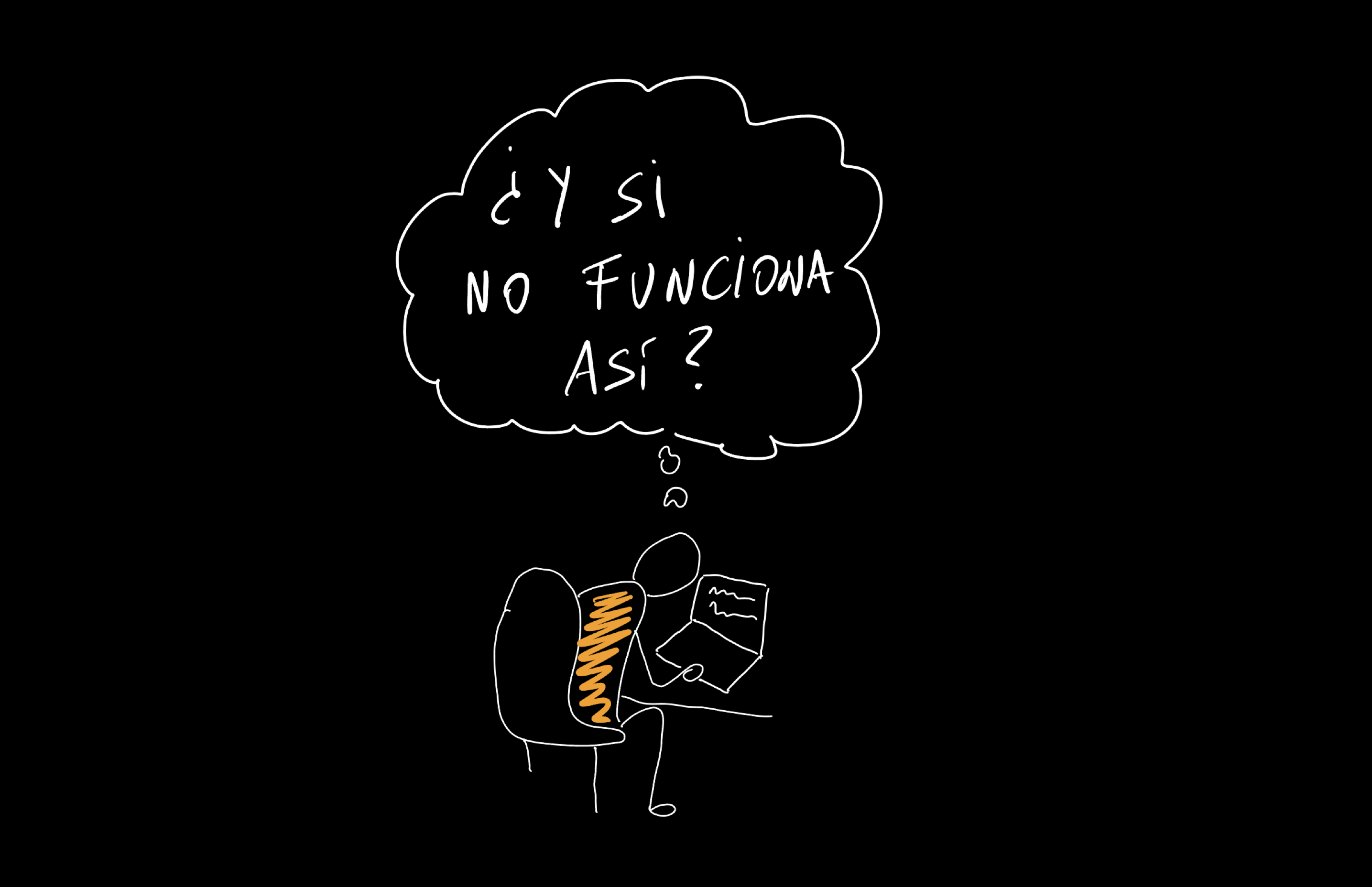
The question worth asking before defending a conclusion.
If estrangement can be considered a kind of thought experiment, there are other excellent ways of developing the empathic muscle — personally enriching ones — that amount to experiments in living other lives. Sometimes through immersion: you sit with your customer, you go and spend time inside the company where your product is used. Sometimes through exploration: you invent new ways of relating to the people who use your products, you help create new forms of communication inside your team. And finally through cooperation, which usually has dialogue as its main tool. We can expand our toolbox by replicating things done systematically in anthropology and ethology.

In the programme we encourage conversation and listening as a way of learning.
In my view the most effective and affordable form is encouraging conversation through listening sessions. In them you focus on people, regardless of their category with respect to the product, since the product is not the centre of the conversation — the progress they are seeking is.
Listening helps you get it right
Something apparently so simple runs into numerous obstacles that often make it almost non-existent. Many forces stop us from establishing a habit of listening to the people for whom we invent the products we create and develop. Some of those forces are already in us, others live in the social liquid, and many are inscribed in the way organisations are articulated, with strong separations between inside and outside that act as walls. Human organisations are born with walls; the work is to make them thinner.
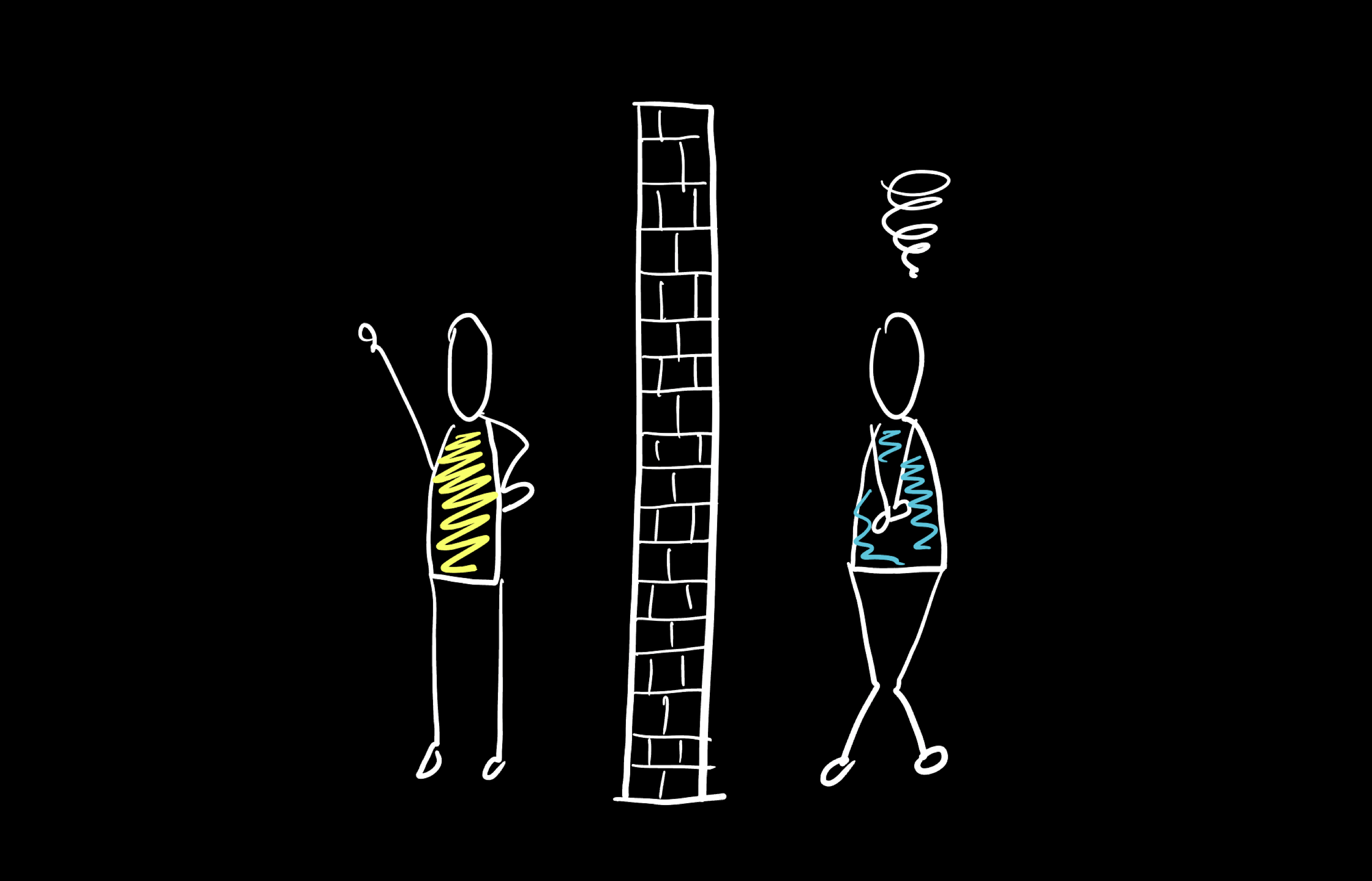
A wall between whoever invents the product and whoever uses it.
These forces do not act independently. Usually they compound. We have to understand them as forces that are part of us, as social animals, and which therefore cannot be eliminated. We can work to educate them.
On the other hand, all the evidence so far — accumulated by the social sciences and by various branches of the natural sciences — suggests that we are empathically wired. Our brain is plastic and we are the kind of social animal that needs to develop empathically, mainly through dialogue and through living alongside people who are different from us.
Listening sessions are driven mainly by curiosity, since you are not out to colonise but to build a relationship. In a listening session you have to care about being present for someone. You have to make an effort to suspend your clichés and prejudices. You work at understanding the other person's emotions. You work at understanding their needs.

In the sessions we work through use cases in groups, to encourage the exchange of experience.
The aim is to create an atmosphere of trust so that rhythm can appear, handing the conversation over to the other person and letting them unfold. You have to dare not to be embarrassed: asking the obvious is often the best way to break with what appears unaskable or unsayable, and which is frequently what opens up the motivations that are not on the surface.
In the programme I encourage reading literature, mainly in the form of the novel, as the most suitable medium for staying connected to a way of understanding products with people at the centre, a psychological climate underneath, and various tensions that lead to understanding and developing them. Isn't it fruitful to understand digital products as a kind of conversation?