Christopher Alexander: a language for what has no nameJuly 22, 2026Christopher Alexander sought a quality that resists cataloguing; software borrowed his pattern language and left behind the idea that gave it meaning.Thinkers
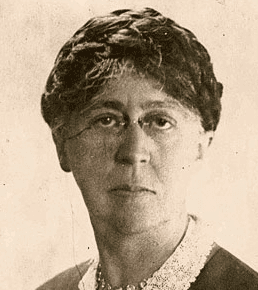
Mary Parker Follett: power with, not power overJuly 16, 2026Mary Parker Follett described coordination, constructive conflict and authority arising from the situation decades before management rediscovered them...Thinkers
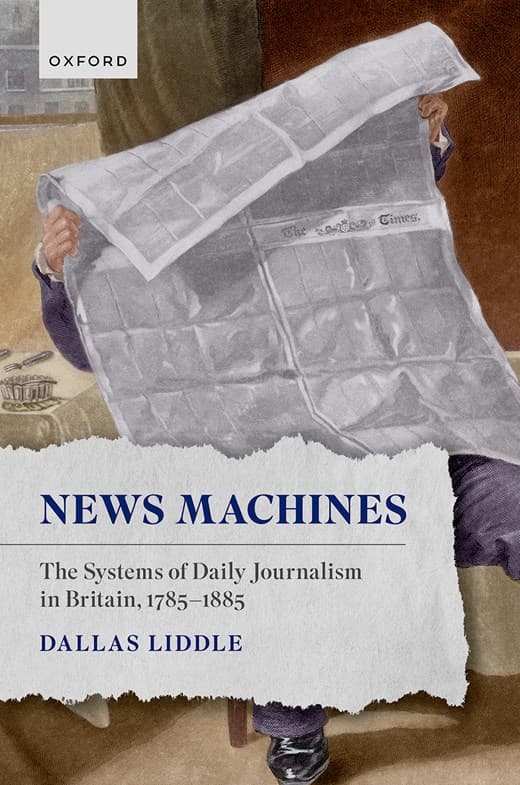
The Daily MiracleMay 6, 2026Dallas Liddle's history of Victorian newspapers shows how infrastructure colonises agency, the way accumulated dependencies quietly decide a roadmap.Writing
AttenuationMay 5, 2026A single AI agent matches multi-agent systems at equal compute. Information theory explains why, and Brooks, Parnas, Coase and Ohno knew it already.
LemonsApril 30, 2026Akerlof showed how markets collapse when buyers cannot judge quality. Every product now claims to be AI-powered, and the signal means very little.
The RushApril 29, 2026Startups winding down are selling their Slack archives to AI labs. Behind the gold rush lies an older question about who decides what gets recorded.
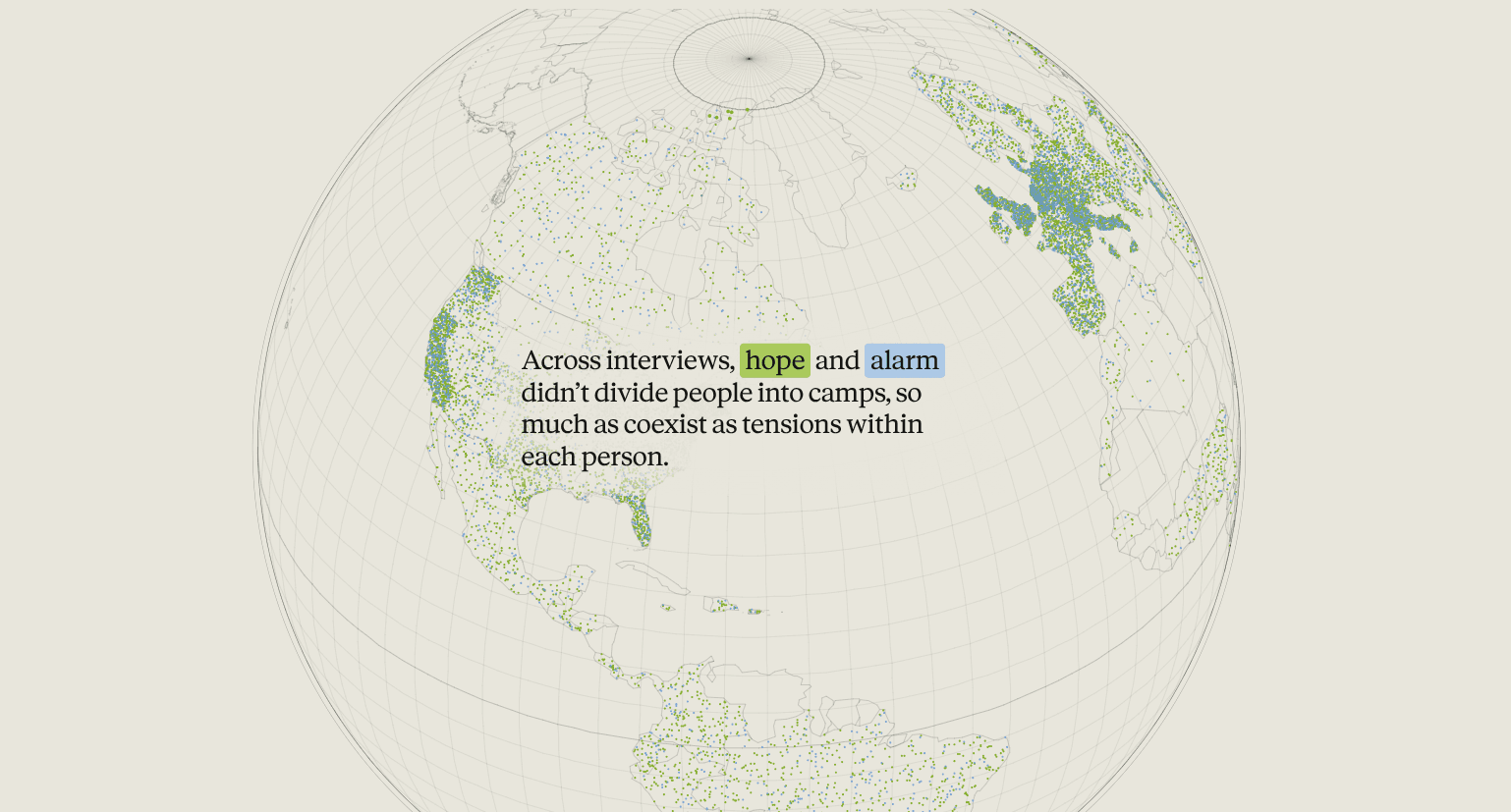
81,000 VoicesApril 28, 2026Anthropic asked 81,000 people in 159 countries about AI and found five tensions that cannot be resolved, plus one uncomfortable fact about the method.Writing
The RiverApril 13, 2026From ARPANET to Conway's law: organisations that build software are made of the same substance they produce, which is why factory logic never fits.Writing
The BeetleApril 5, 2026Wittgenstein imagined a box no one could open. Anthropic found 171 emotional patterns inside Claude, and left the hard problem exactly where it was.Writing
The BoltMarch 23, 2026Organisations want predictable, measurable work. That worked for bolts on an assembly line; software is not a bolt, and Taylor's methods still linger.Writing