organisations
58 films tagged with “organisations”
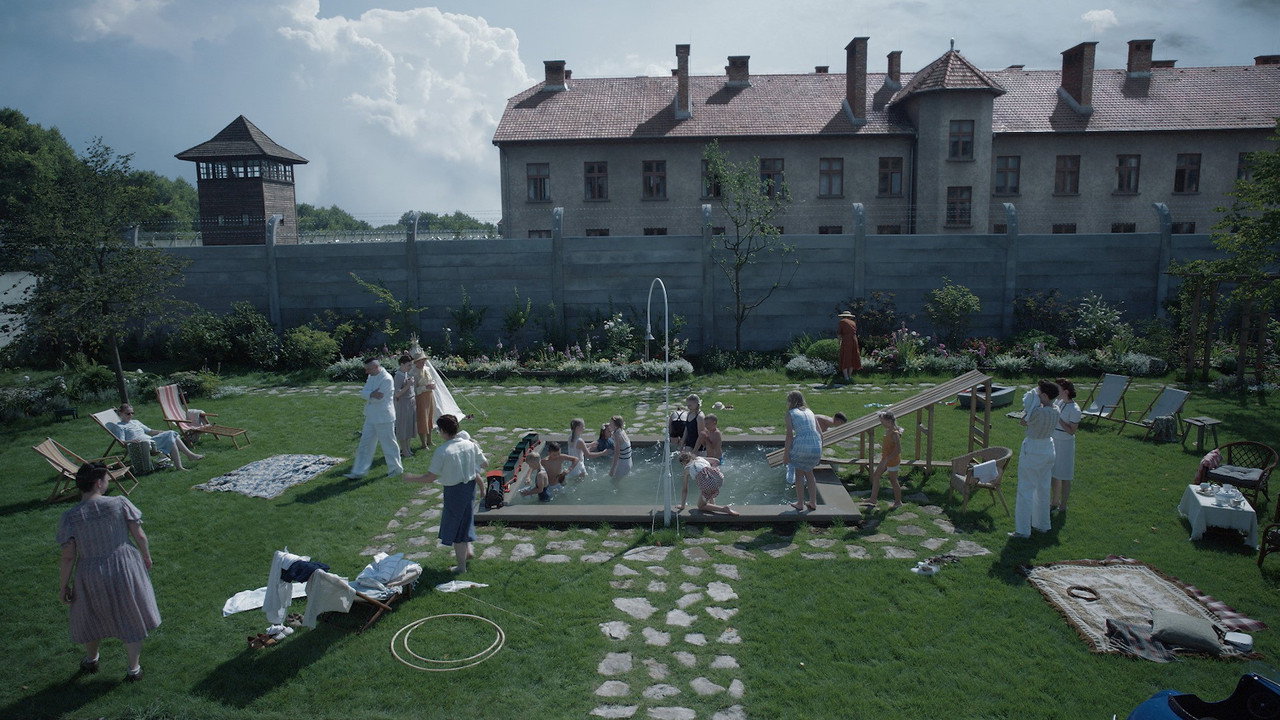
The Zone of Interest
Jonathan Glazer's film begins with a sustained black screen and a wall of sound — not silence, but the ambient noise of the camp across the wall, just out of frame. It never stops. The sounds are indistinct, industrial,…
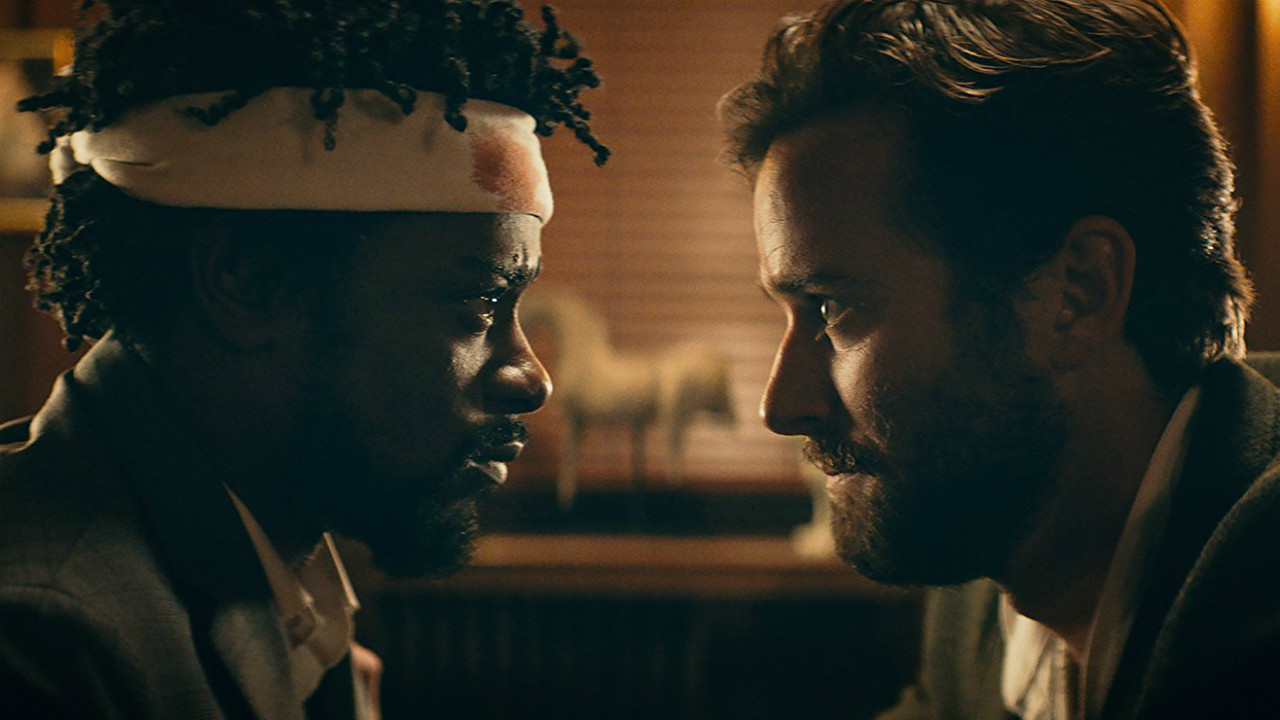
Sorry to Bother You
The film opens every transaction with an apology, and the apology is the business model. Sorry to bother you is what Cassius says because bothering people is precisely what he has been hired to do: to interrupt strangers…

Blade Runner 2049
The question the first film asked was whether a manufactured being could be conscious. The question this film asks is whether a manufactured being can reproduce, and the difference between those two questions is the diff…

Hidden Figures
The title is doing structural work. The figures are mathematical — orbital trajectories, launch windows, re-entry angles — and they are hidden in the ordinary sense that the calculations these women performed were not at…
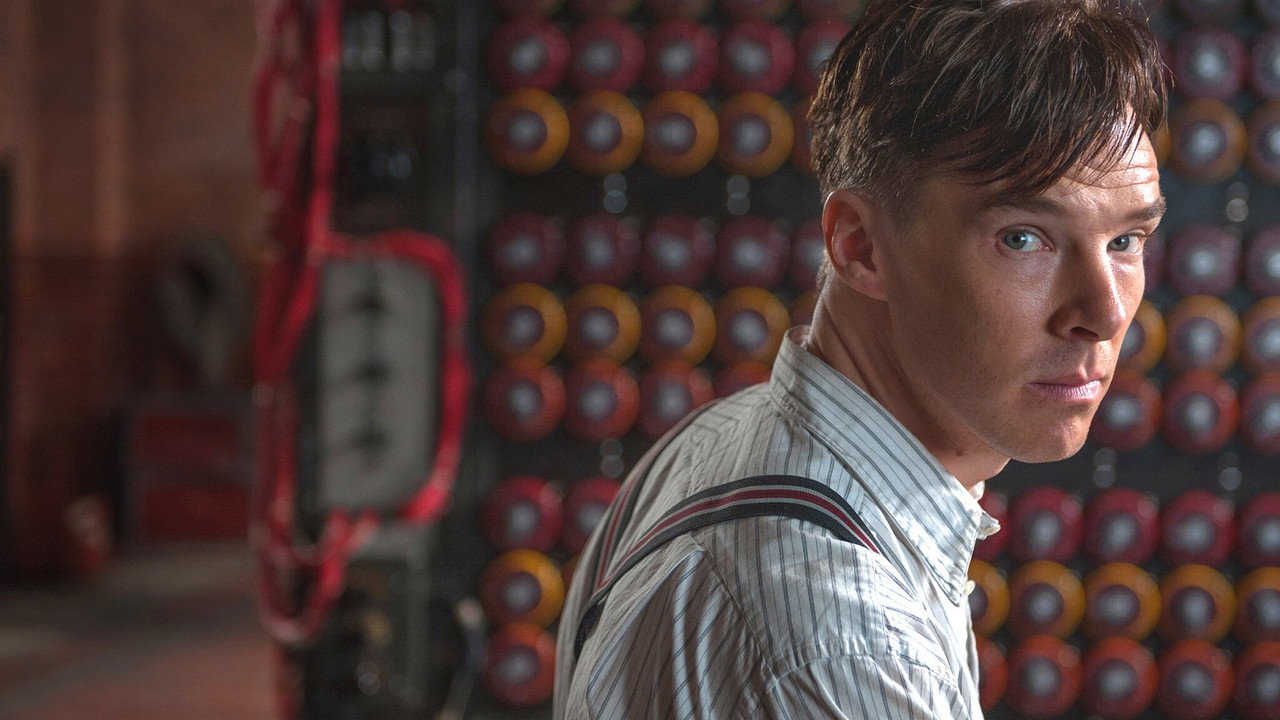
The Imitation Game
The machine works on a Tuesday, and by Wednesday the problem has changed completely. For months the Bletchley team has been consumed by a single question: can they build a device that tests Enigma configurations fast eno…
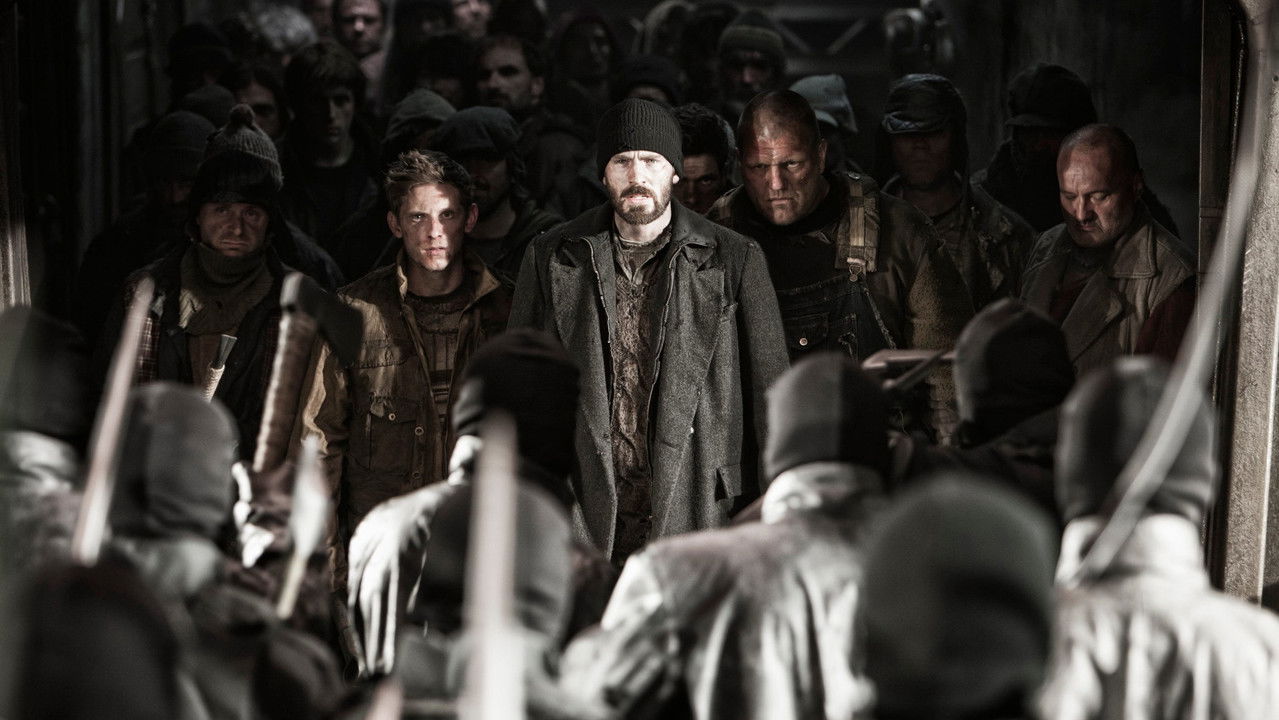
Snowpiercer
The train is a closed system, and Bong Joon-ho organises his film as a traversal of it. Curtis Everett starts in the tail section — dark, cramped, fed on gelatinous protein bars whose ingredients nobody asks about — and…
Contagion
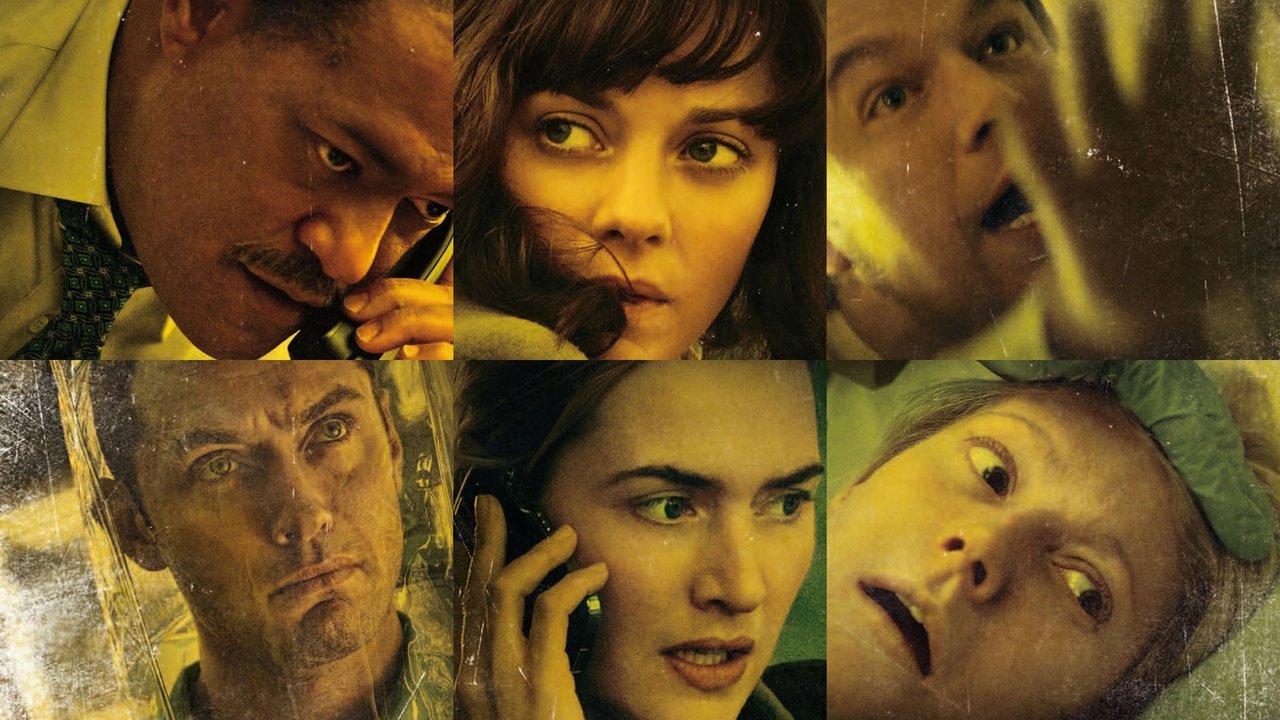
Contagion is not a disaster film about a virus. It is a procedural about the infrastructure that exists to manage catastrophic uncertainty, and about what happens when that infrastructure encounters a situation that outp…
Tinker Tailor Soldier Spy
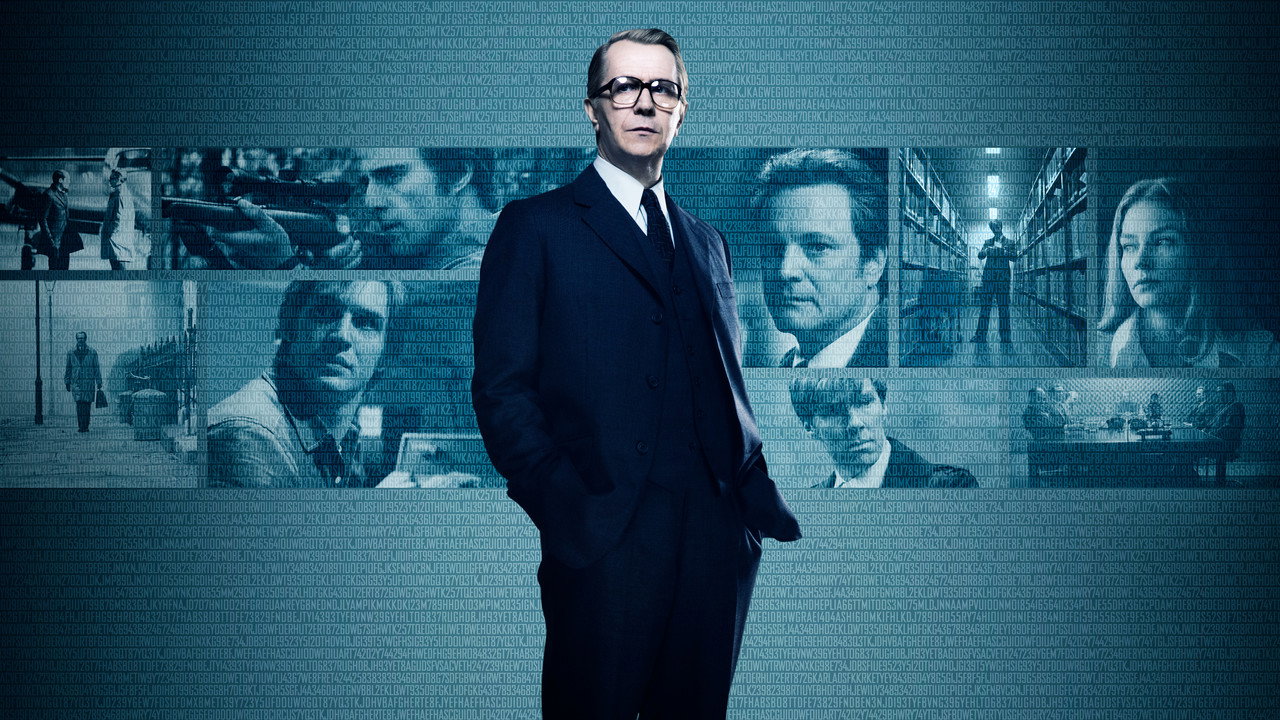
George Smiley does almost nothing in this film, and the almost-nothing is the method. He sits in chairs and listens. He reads files. He asks questions that are one sentence long and then waits, sometimes for a very long…
In the Loop
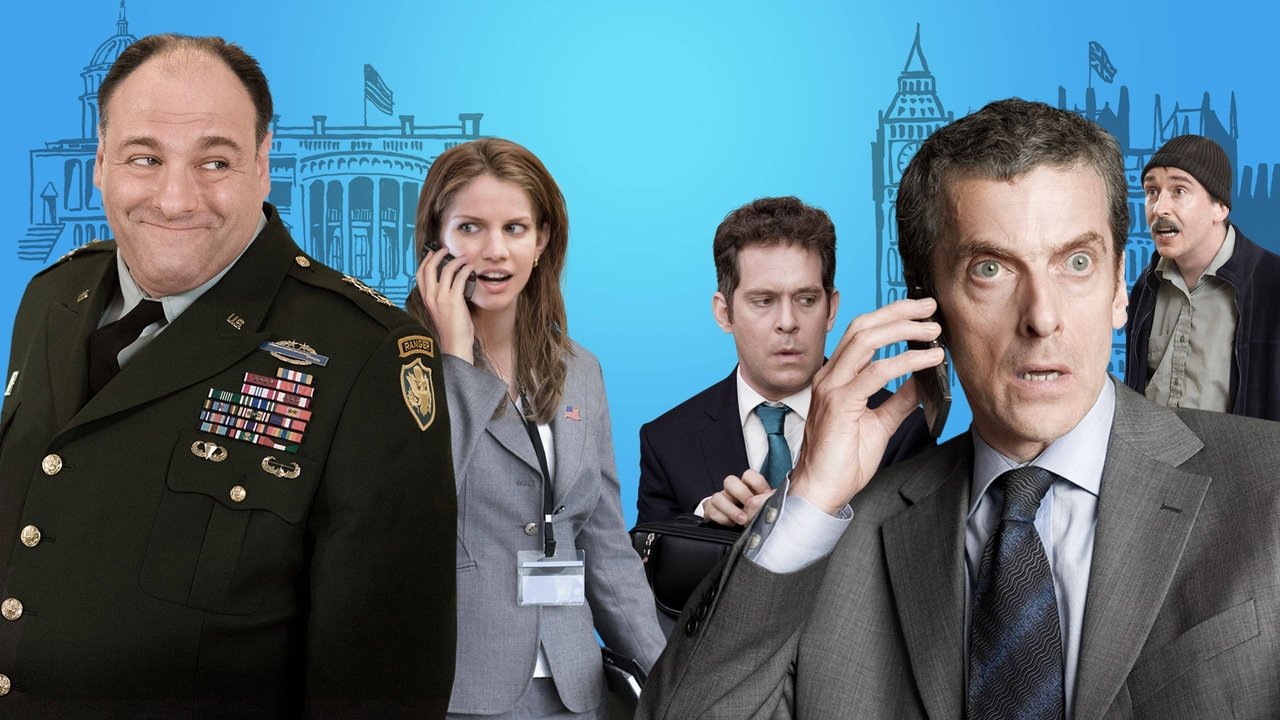
In the Loop begins with a Cabinet minister saying, on a radio programme, that war is 'unforeseeable' — a word chosen for its deliberate vagueness — and then watches as that single adjective triggers a cascade of institut…
Moon
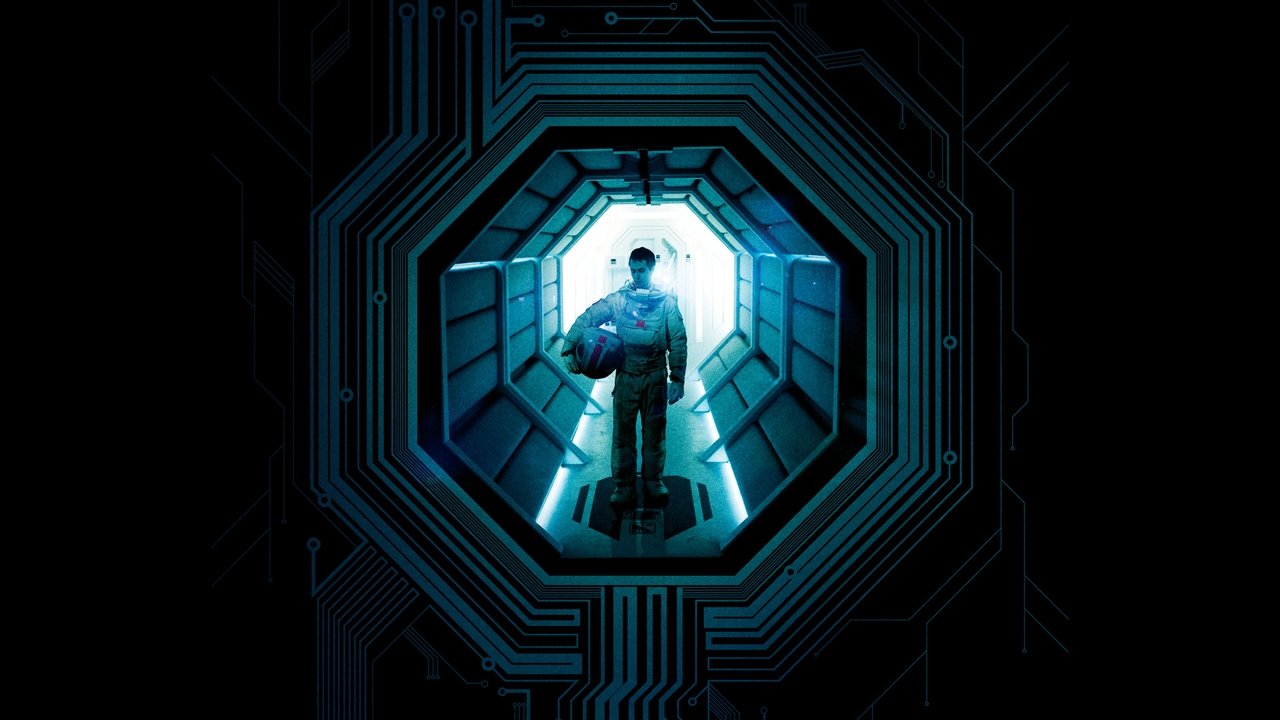
Moon is an employment story. It is set on the far side of the Moon, it involves cloning and corporate conspiracy and a robot named GERTY who communicates partly through emoticons, but the structure underneath all of that…
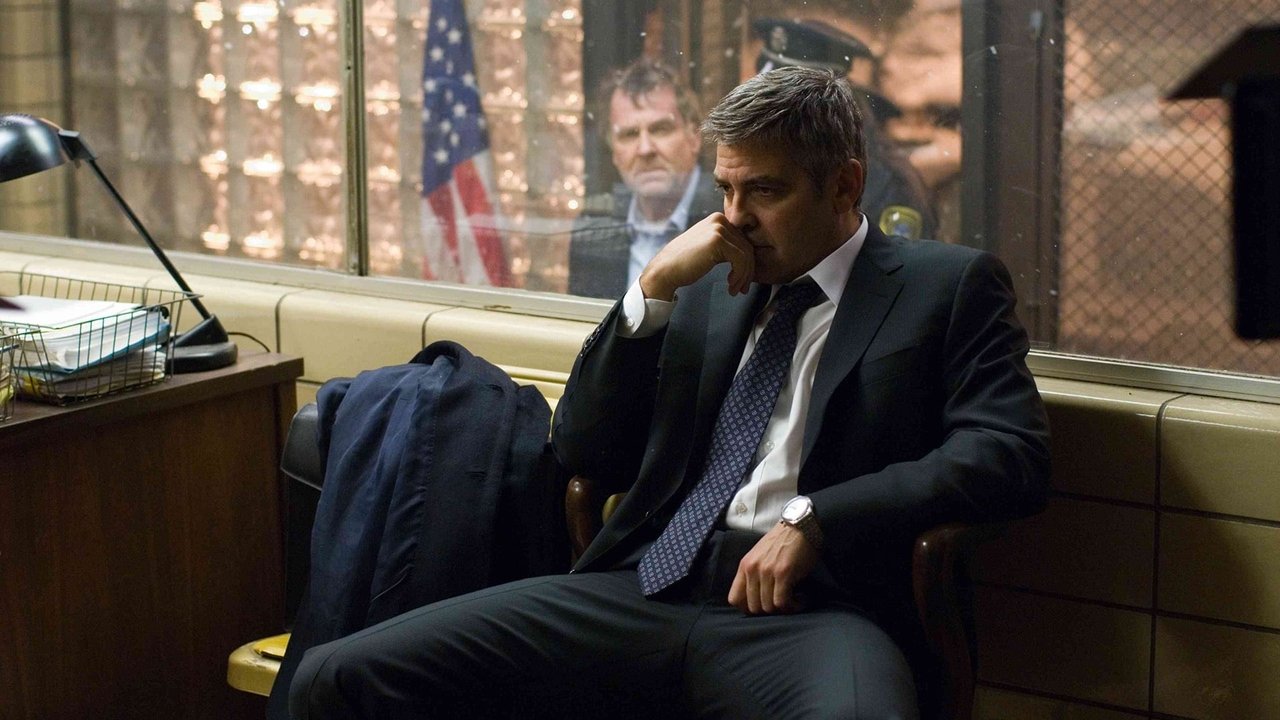
Michael Clayton
Michael Clayton opens with a monologue spoken into darkness — Arthur Edens, the firm's lead litigator on a massive agrochemical class action, dictating an ecstatic, unravelling brief that sounds like a man simultaneously…
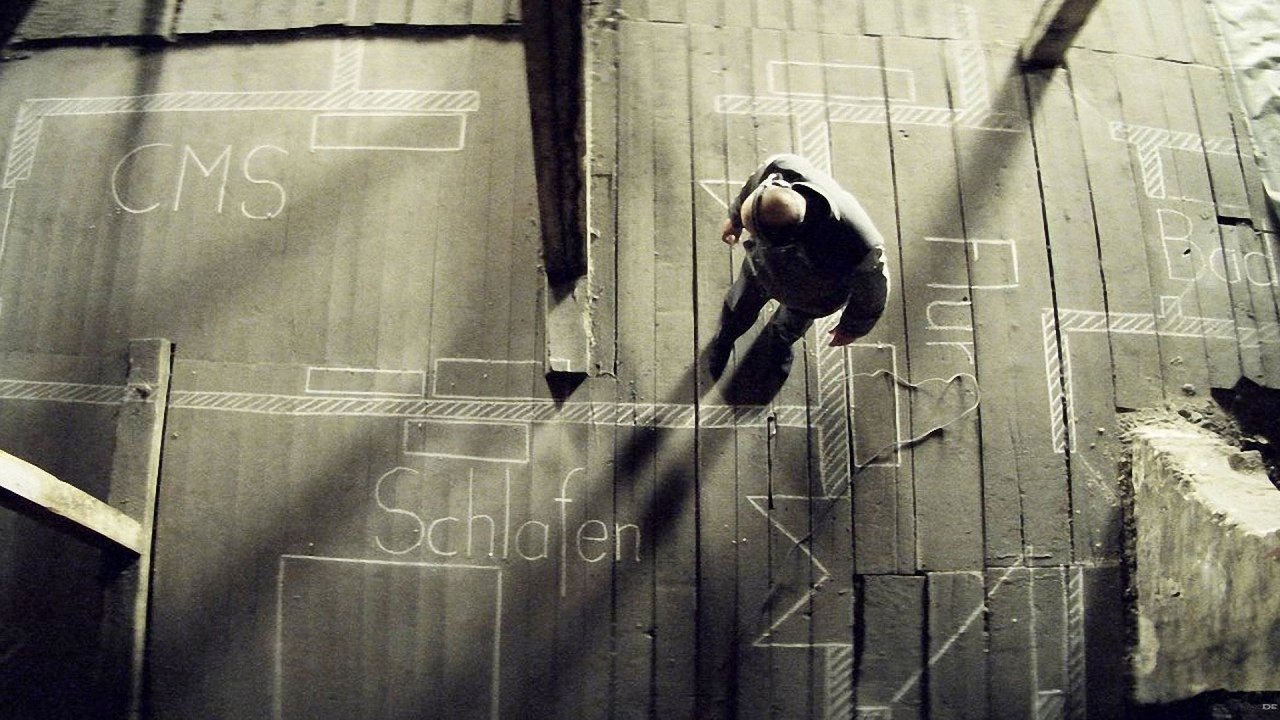
The Lives of Others
Wiesler is the best at what he does, and the film establishes this before it establishes anything else. In a lecture hall at the Stasi academy he explains, with the unhurried patience of a man describing a craft he has f…
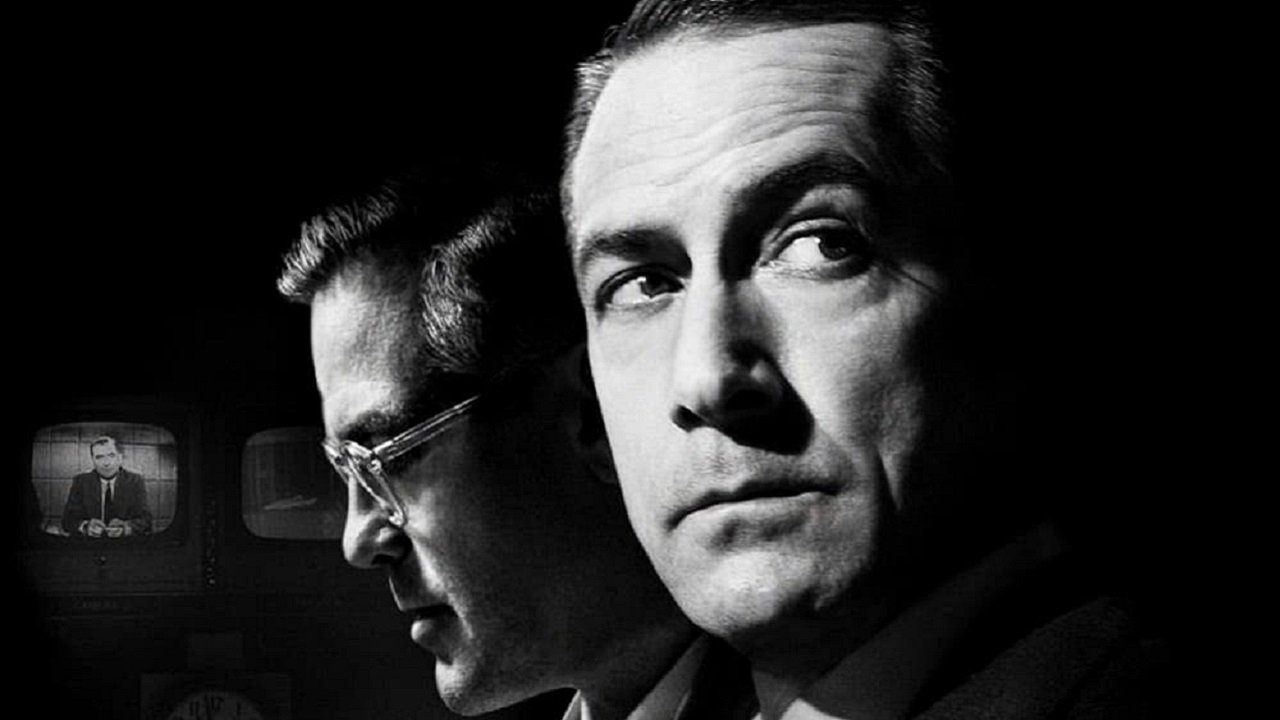
Good Night, and Good Luck
Clooney shoots the film in black and white and confines it almost entirely to the CBS newsroom, and both choices are structural. The black and white is not nostalgia; it allows the film to integrate actual footage of Sen…

Shattered Glass
Shattered Glass is not really about Stephen Glass. It is about the editorial system that made him possible. The New Republic in the mid-1990s had developed a culture in which the admiration of colleagues functioned as a…

A.I. Artificial Intelligence
Kubrick developed A.I. for decades before passing it to Spielberg, and the film bears the marks of two incompatible sensibilities trying to share a single argument. That tension is, accidentally, its greatest asset for t…
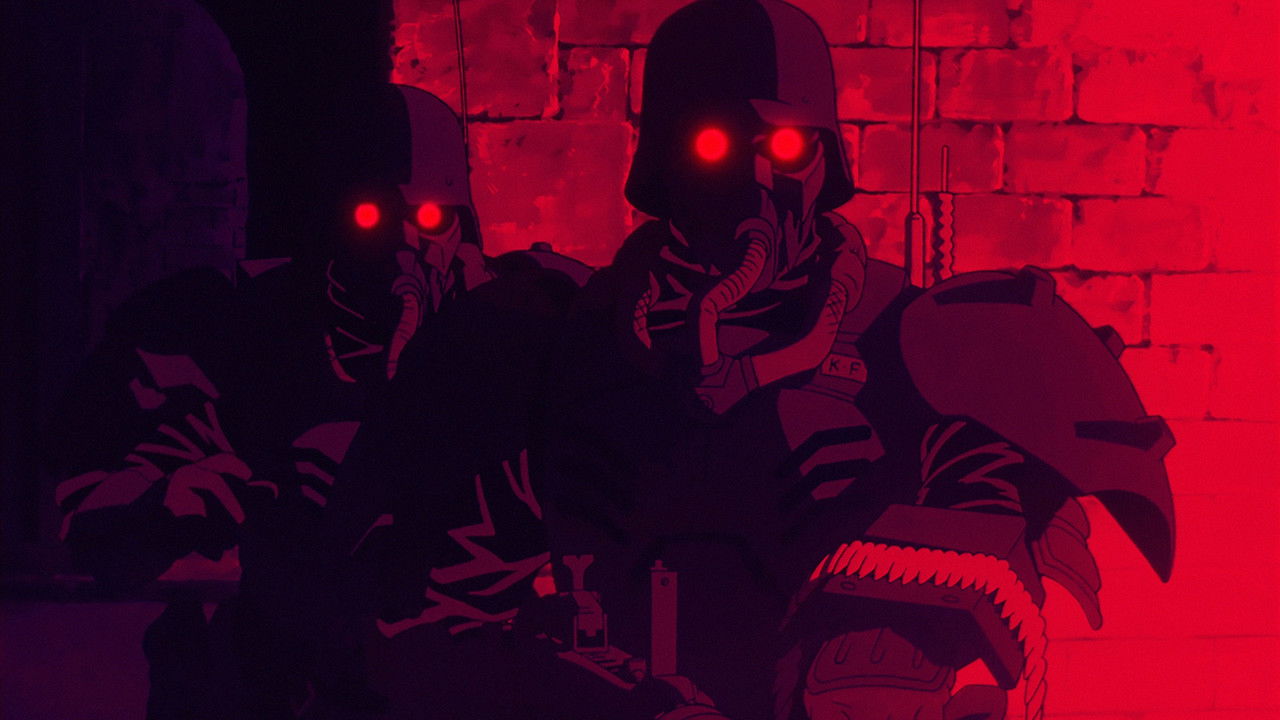
Jin-Roh: The Wolf Brigade
Jin-Roh is structured around a question that never gets asked aloud: who is using whom? Kazuki Fuse, the elite trooper at the film's centre, believes himself to be acting from feeling — guilt over a girl's death, attachm…
Office Space
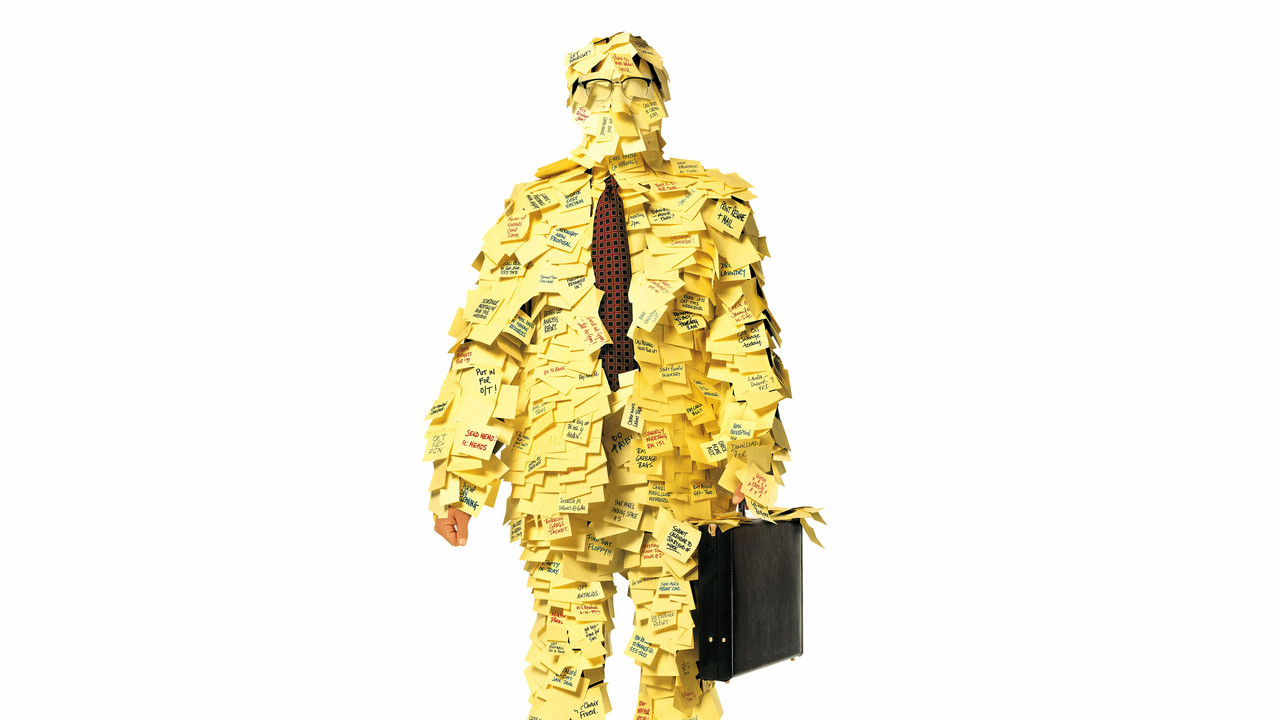
The TPS report entered the language because it names something with no other name: work whose only consumer is the process that requested it. Peter's error is not omitting the report but omitting the cover sheet for the…
The Insider
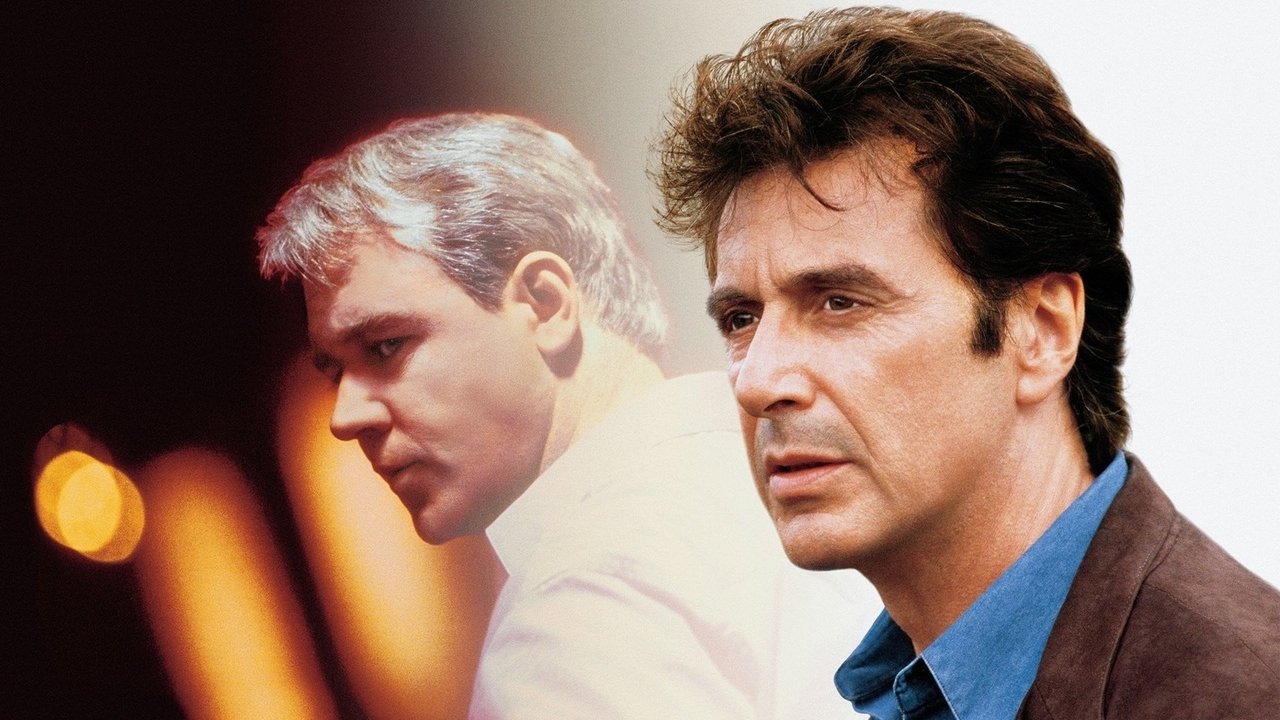
The question at the centre of The Insider is not whether Jeffrey Wigand should speak. He has data showing that Brown & Williamson manipulated nicotine delivery while its executives testified to Congress, under oath, that…
Dark City
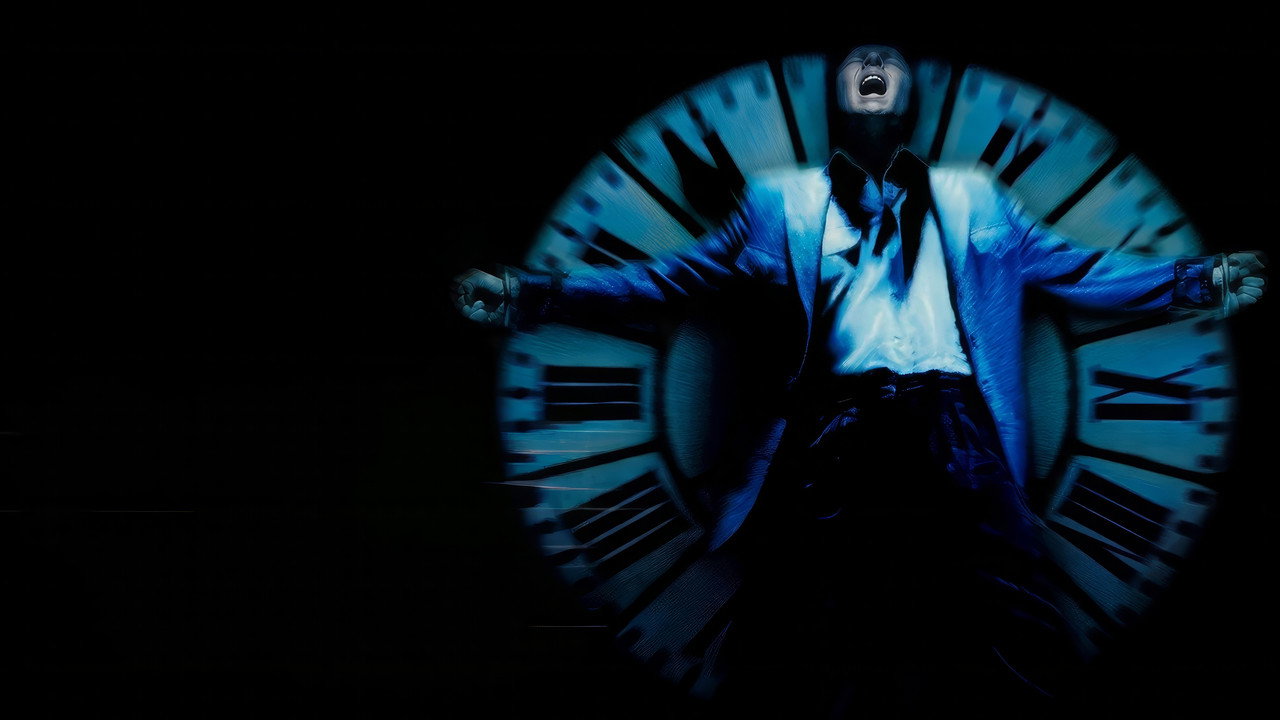
Every night at midnight the city stops. The people fall asleep where they stand — in the street, on a staircase, in the middle of a sentence — and a group of pale figures in long coats emerge to rebuild. They rearrange t…

Wag the Dog
Two weeks before a presidential election, a fixer named Conrad Brean is brought in to manage a crisis: the President has been caught in a sexual indiscretion, and the story is about to break. Brean's solution is not to d…
The Hudsucker Proxy
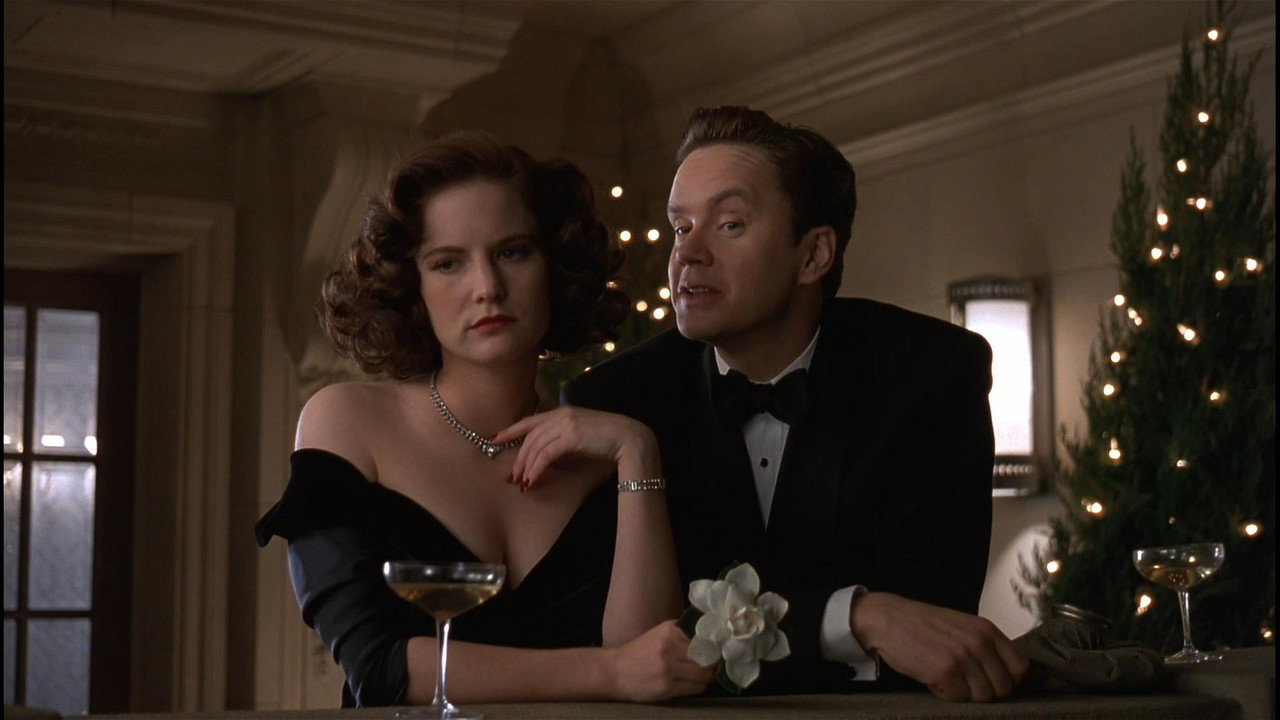
The premise of The Hudsucker Proxy is a board of directors deliberately installing an incompetent man as CEO in order to crash the company's stock price, and the comedy depends on the viewer recognising that this is not…
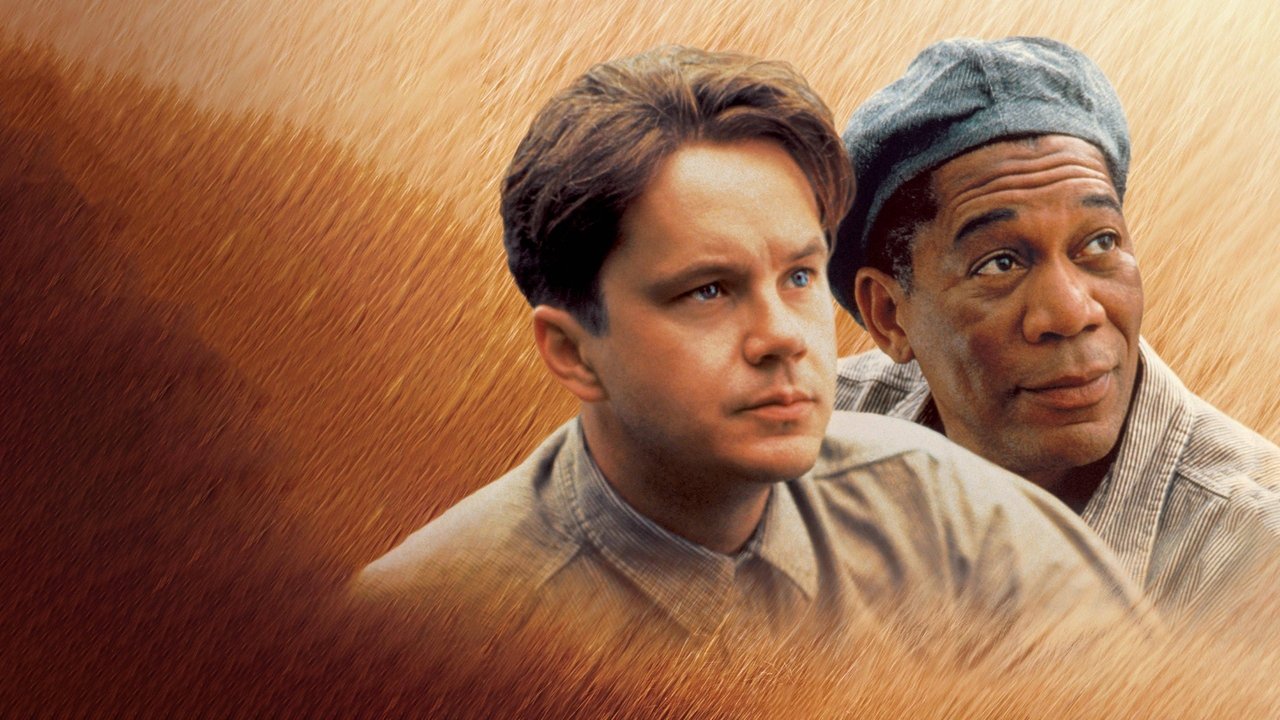
The Shawshank Redemption
Andy Dufresne arrives at Shawshank with two life sentences and a skill set that is, from the institution's perspective, extraordinarily convenient. He is a banker. He understands taxes, investments, trusts, the internal…
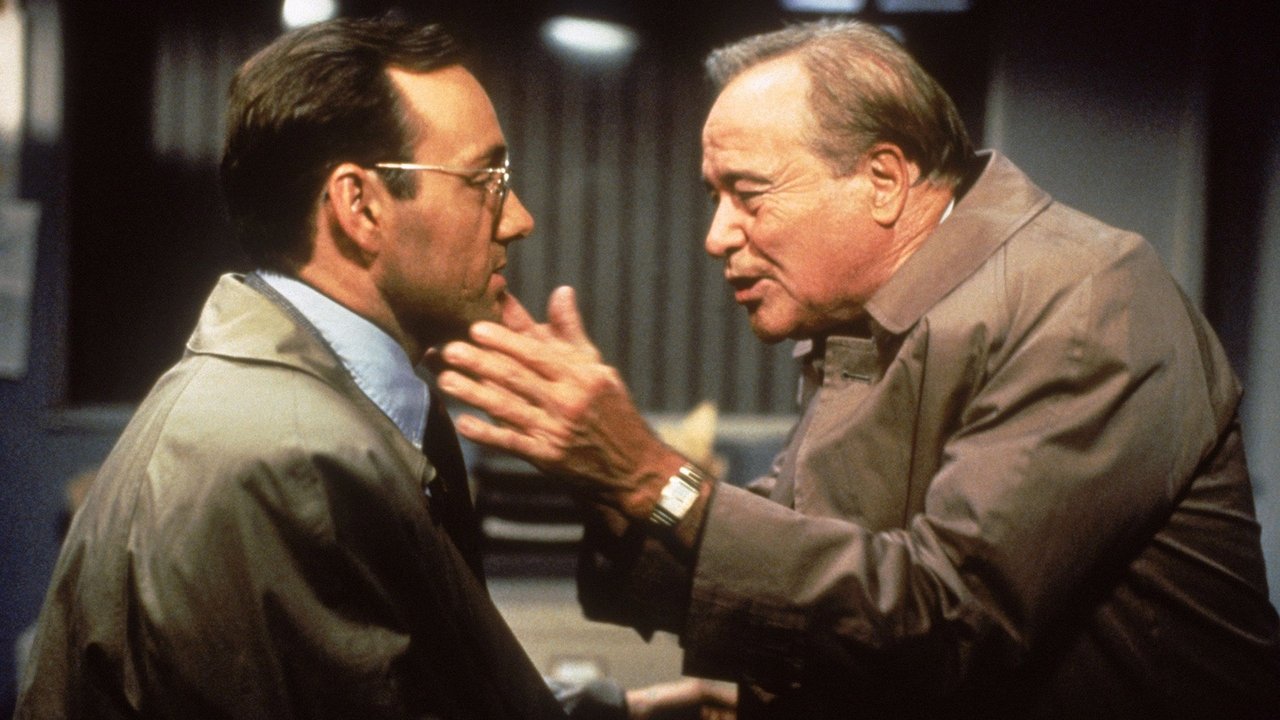
Glengarry Glen Ross
Glengarry Glen Ross opens with a scene that was not in David Mamet's original stage play. Alec Baldwin arrives at the sales office as an unnamed closer from downtown — the organisation made flesh — and delivers a speech…

Akira
The opening image is an explosion — a white sphere expanding outward from the centre of Tokyo in 1988, swallowing the city in a single frame. The film never explains what the explosion was, and this is its first structur…
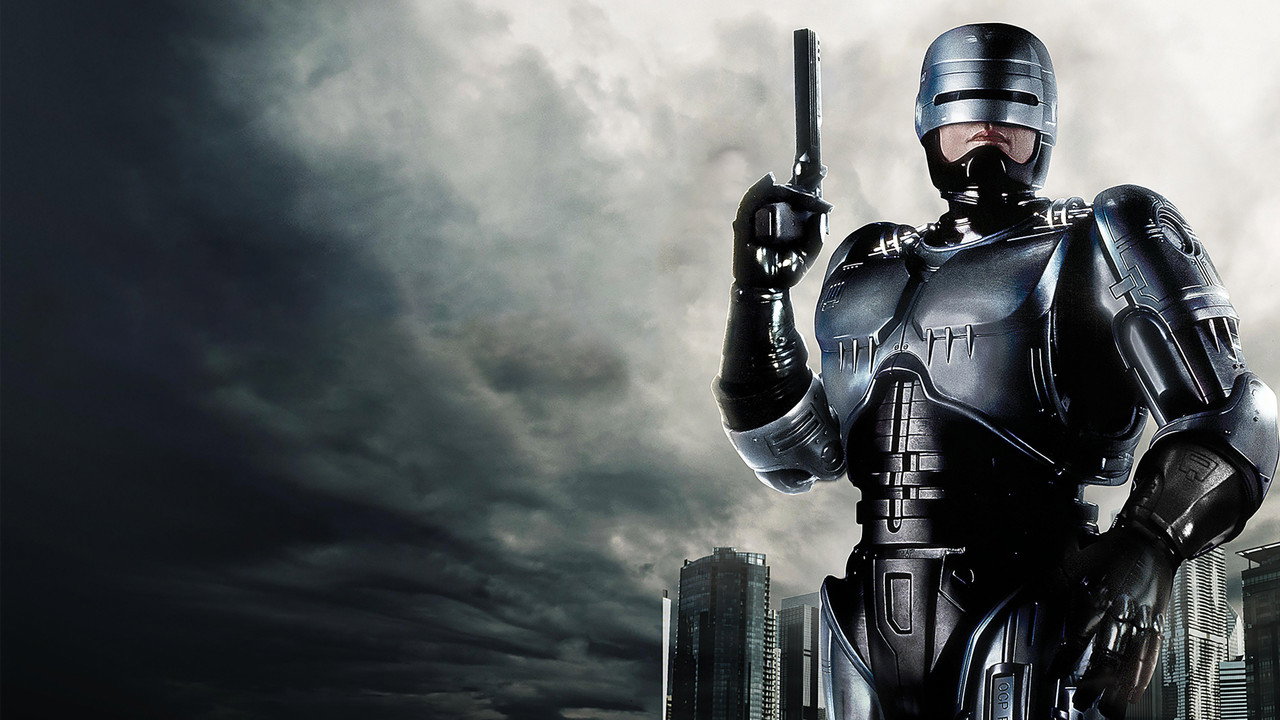
RoboCop
The boardroom scene tells you everything the film is about, and it happens before the title character exists. Omni Consumer Products is demonstrating ED-209, a fully autonomous enforcement unit, to its senior leadership.…
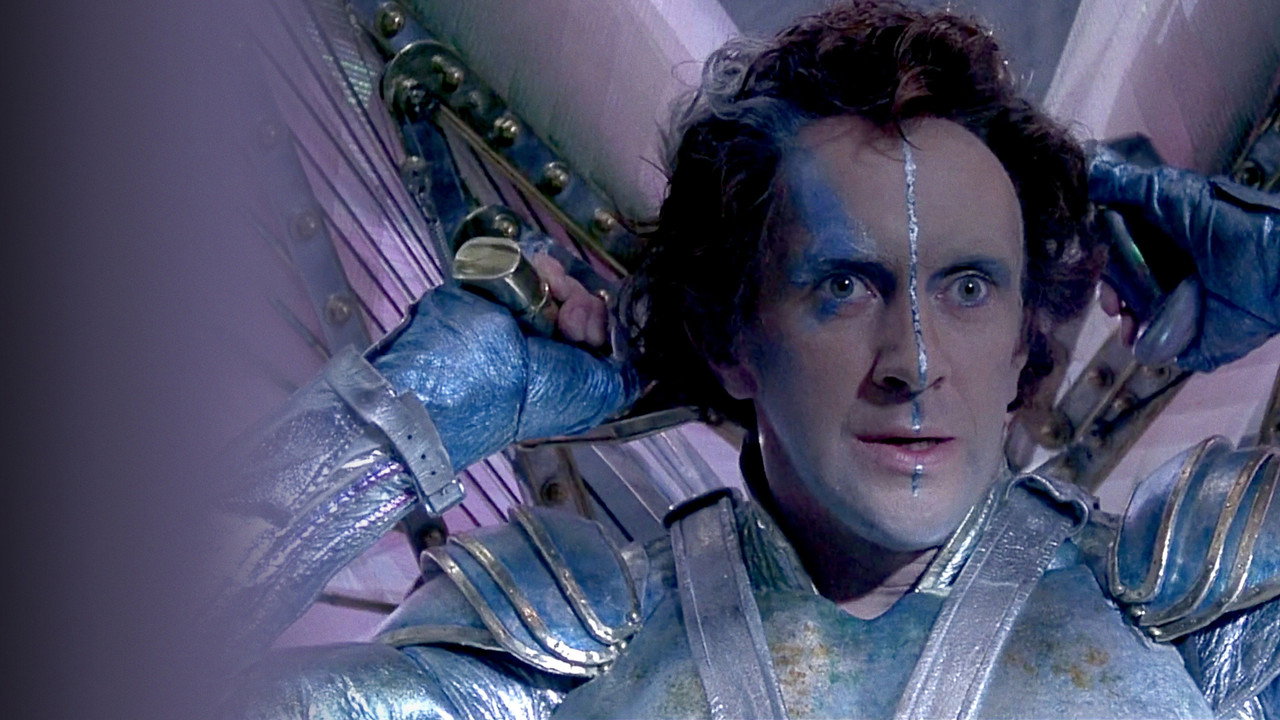
Brazil
A fly falls into a teleprinter and a letter is struck wrong. Archibald Tuttle, heating engineer, becomes Archibald Buttle, cobbler. Armed men come through the ceiling of the Buttle flat at Christmas, bag the father in fr…

Silkwood
Nichols and his screenwriters (Nora Ephron and Alice Arlen) make a choice in the first act that governs everything that follows: they show you the work. Not the scandal, not the conspiracy, not the investigation. The wor…
The Right Stuff
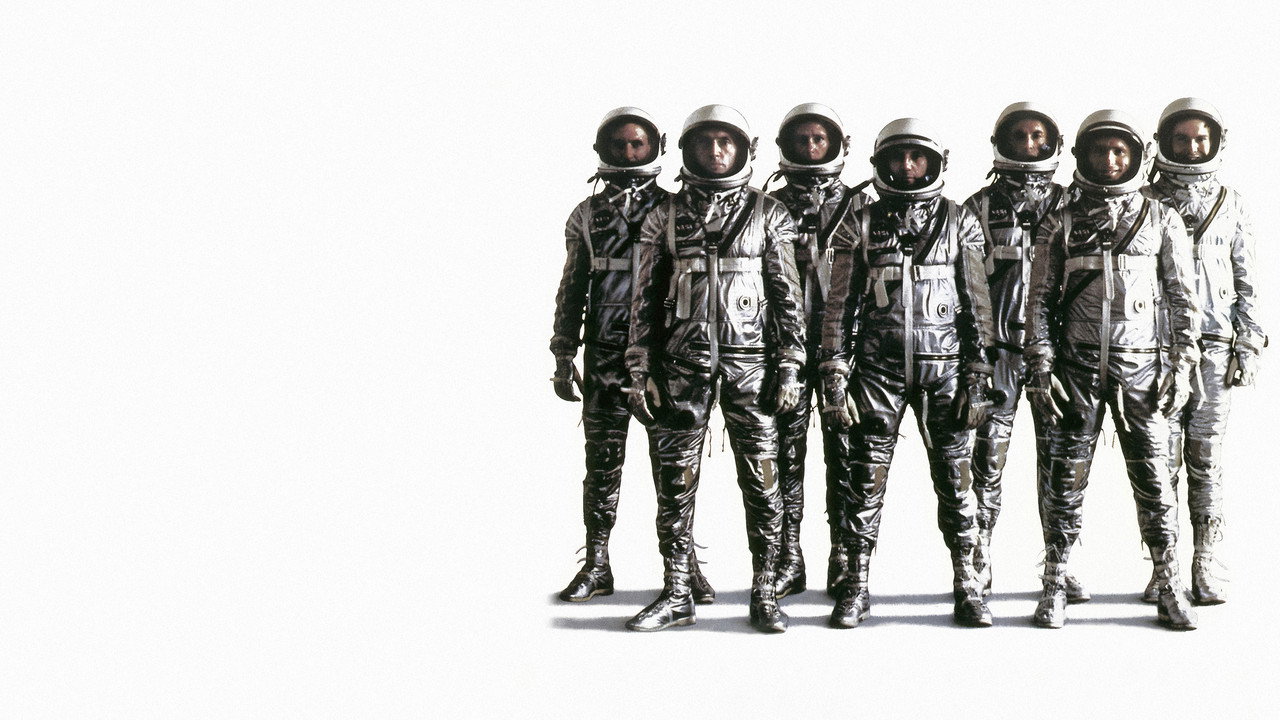
The first design decision an organisation makes is who it lets in. Everything else follows from that — the culture, the vocabulary, the fights, the things that never get built because nobody in the room knows to ask for…
Prince of the City
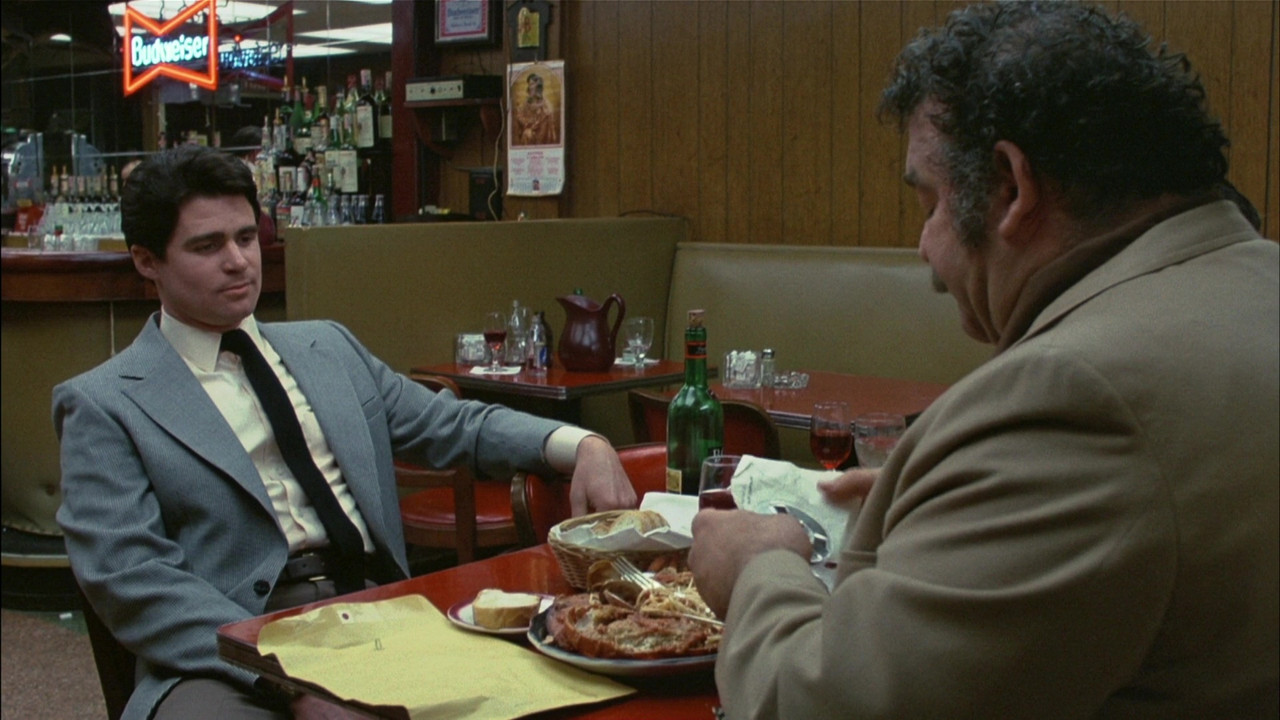
Prince of the City opens with a question that most films about police corruption never ask: not whether a man will cooperate with investigators, but under what terms, and what those terms reveal about how he understands…
9 to 5
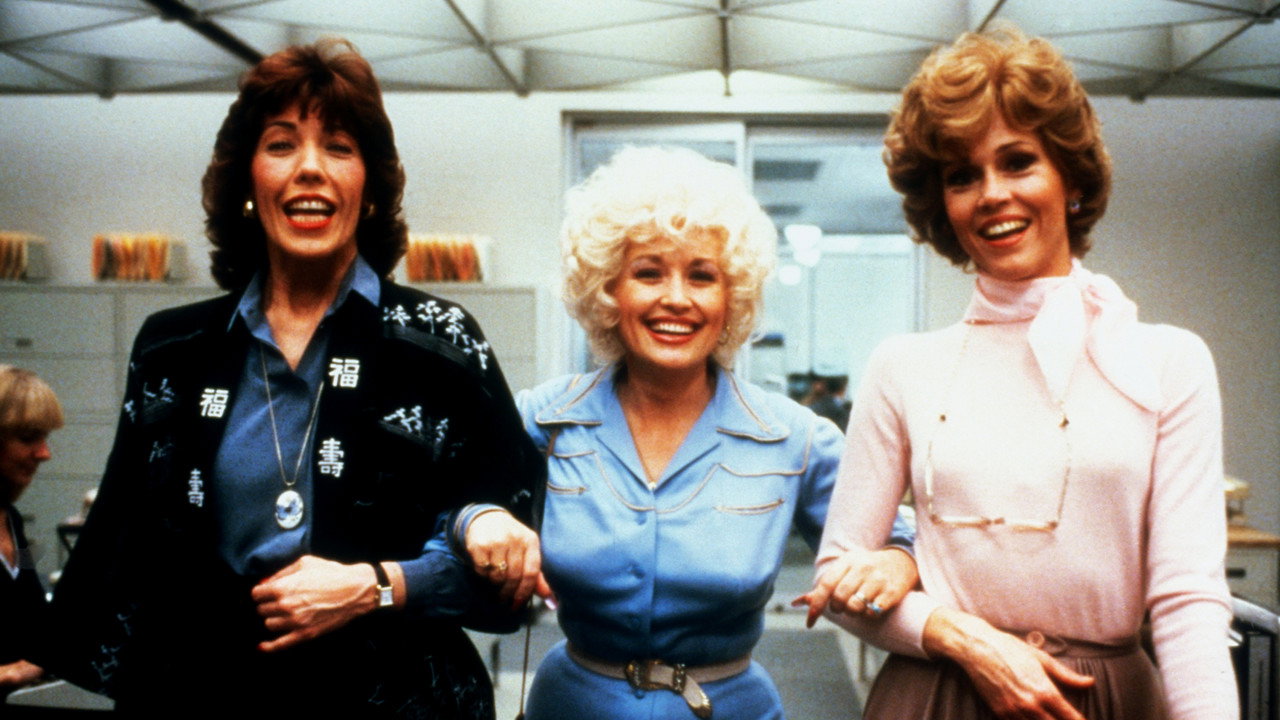
The plot of 9 to 5 requires a kidnapping, three elaborate fantasy sequences, a near-poisoning, and a stolen corpse, but the management insight at its centre requires none of these. It is simply this: the three women who…
Being There
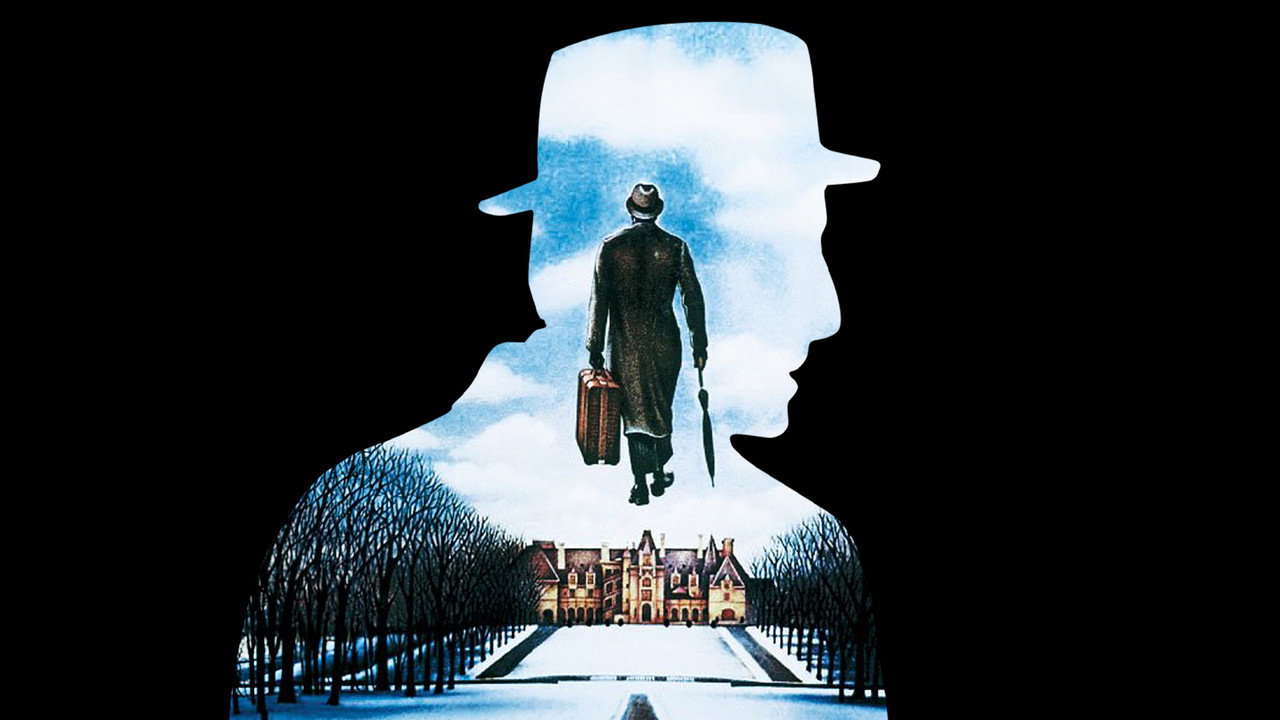
The first thing to understand about Being There is that Chance the Gardener does not deceive anyone. He never claims expertise. He never adjusts his language to his audience. He says what he knows — that gardens have sea…
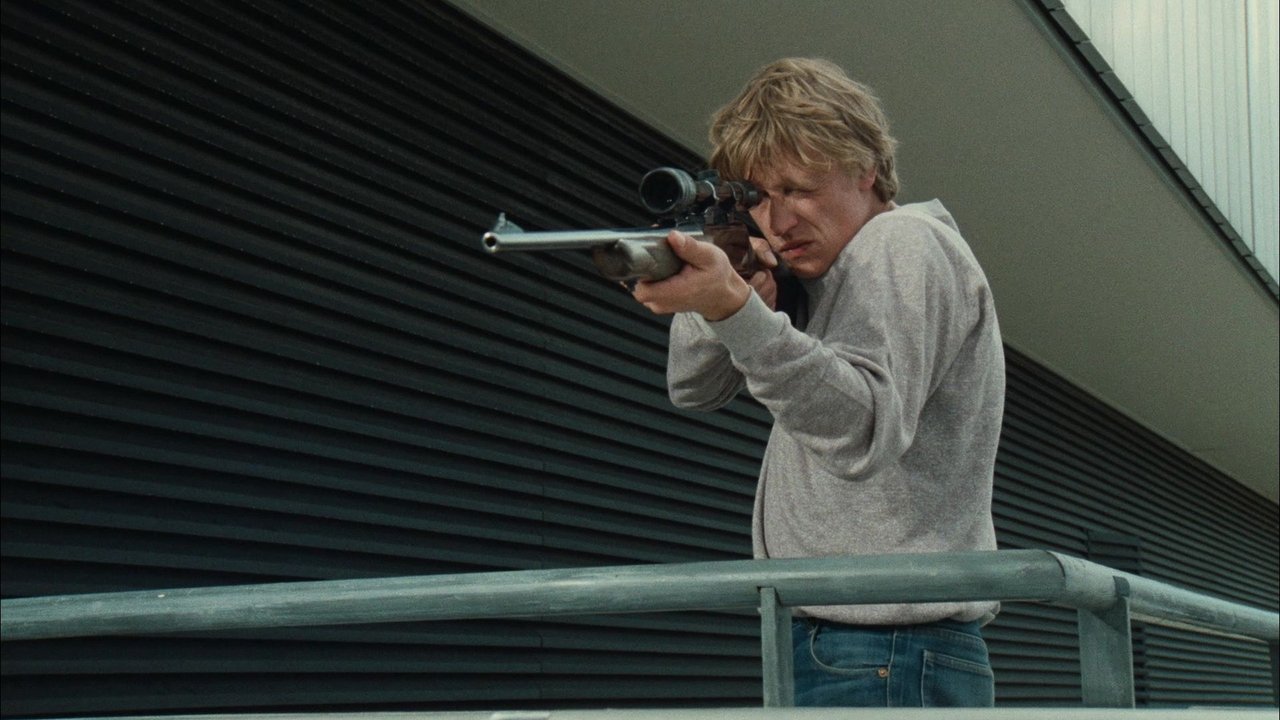
I... for Icarus
Henri Verneuil's I… comme Icare (1979) arrives in the wake of two actual assassination commissions — Warren and House Select — and wears its debt to both openly. The film's central mechanism is not the killing itself but…
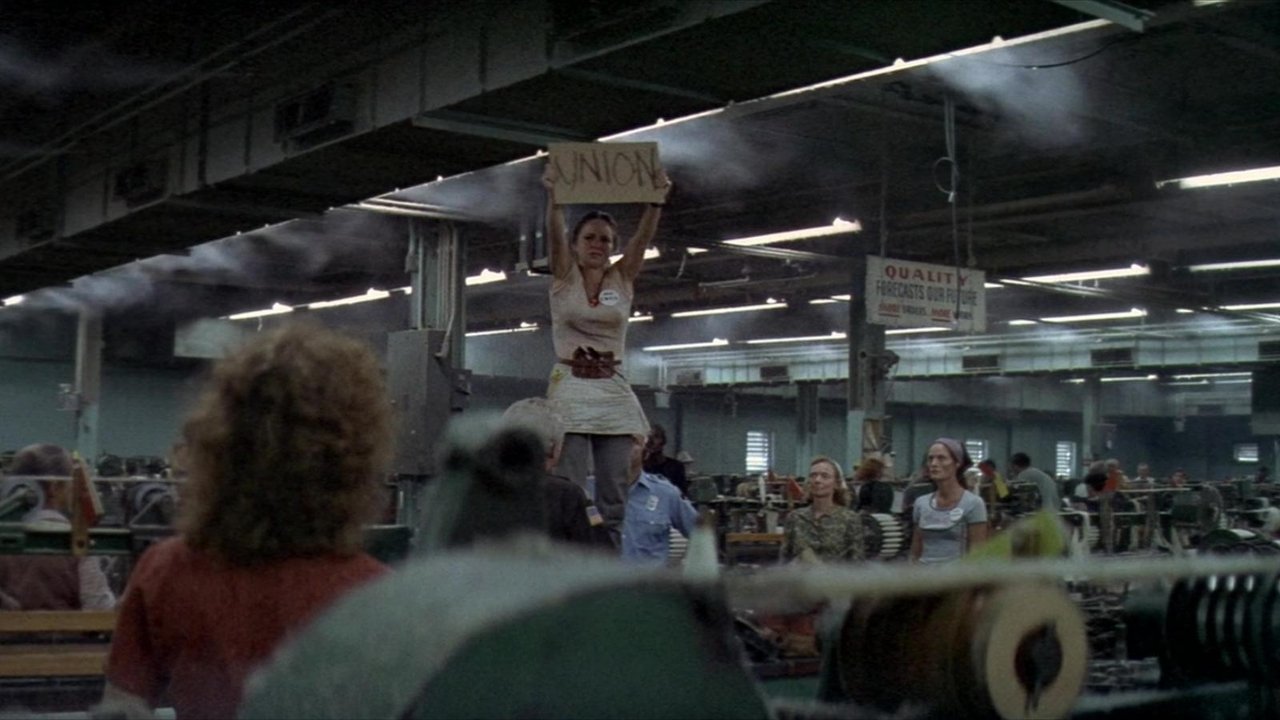
Norma Rae
The mill is the first thing you hear. Ritt opens the film inside the noise — the looms running, the shuttles hammering, the sound that fills the building for every shift and has already taken Norma Rae's mother's hearing…
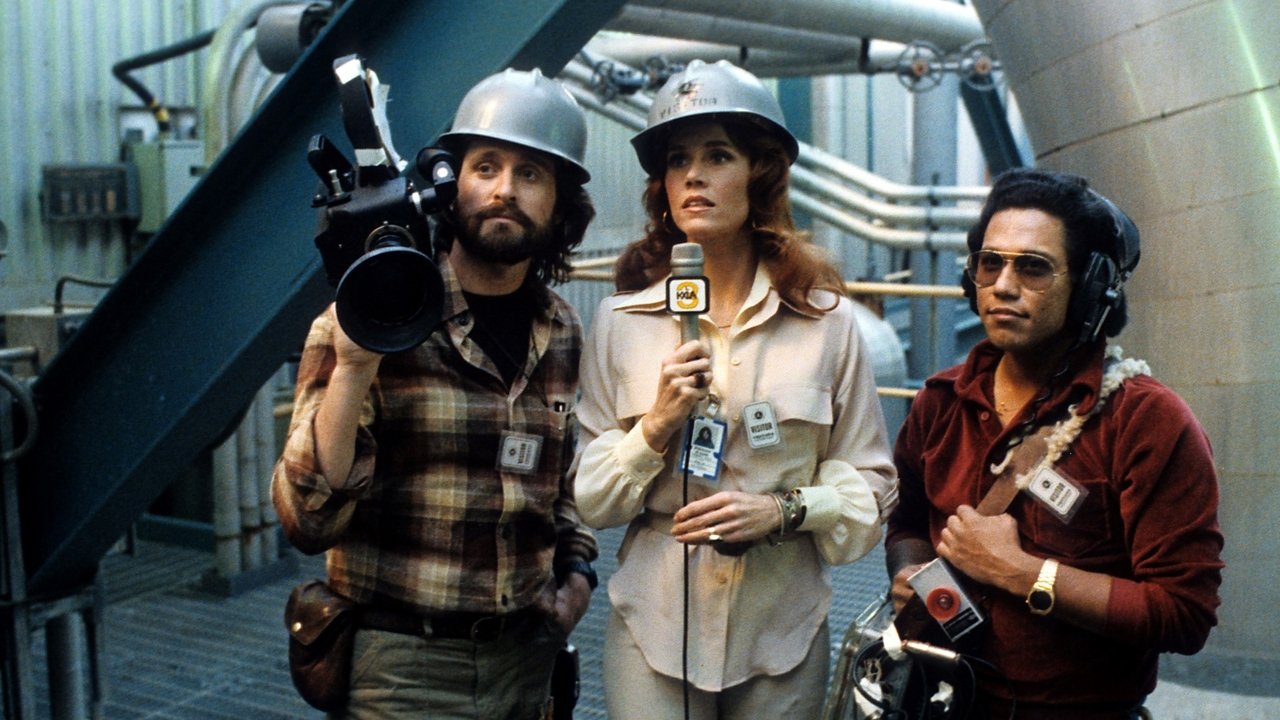
The China Syndrome
The China Syndrome is built around a single structural irony: the people best positioned to know whether a nuclear plant is safe are precisely the people with the most to lose from saying it is not. Jack Godell (Jack Lem…
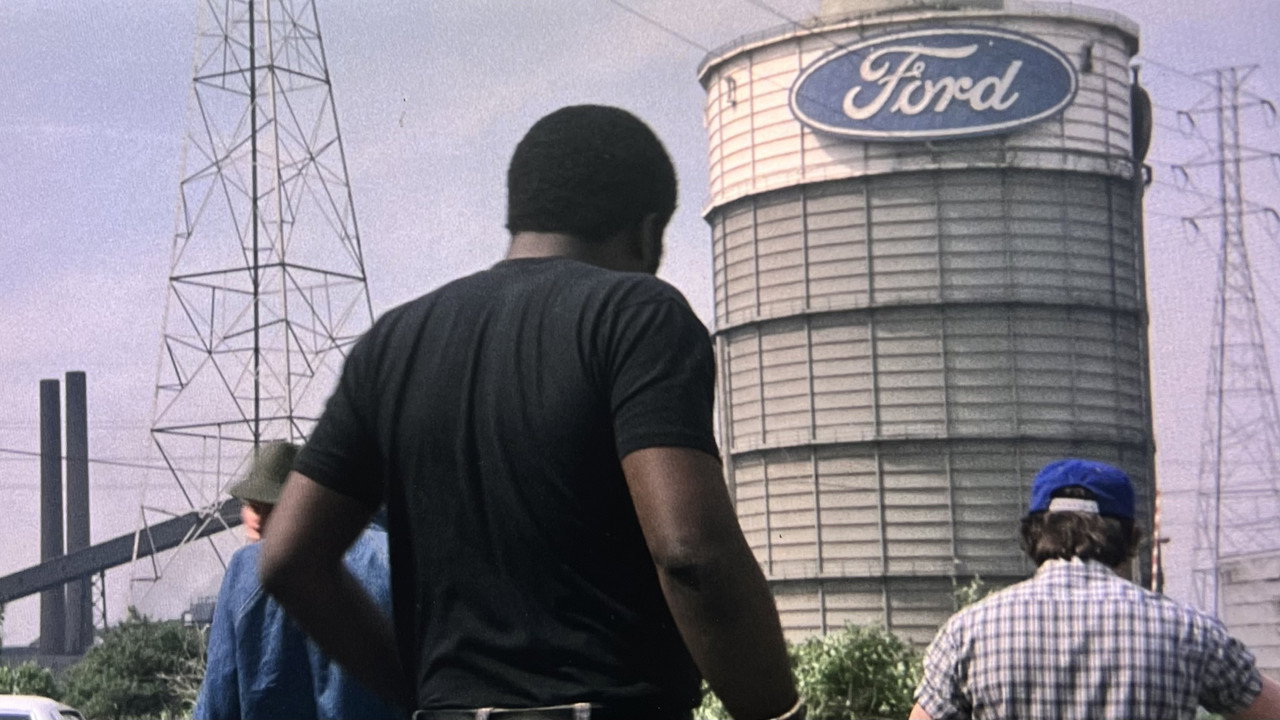
Blue Collar
Paul Schrader made Blue Collar directly after writing Taxi Driver, and the structural preoccupation is identical: what happens when the institutions designed to protect people become the instruments of their containment.…
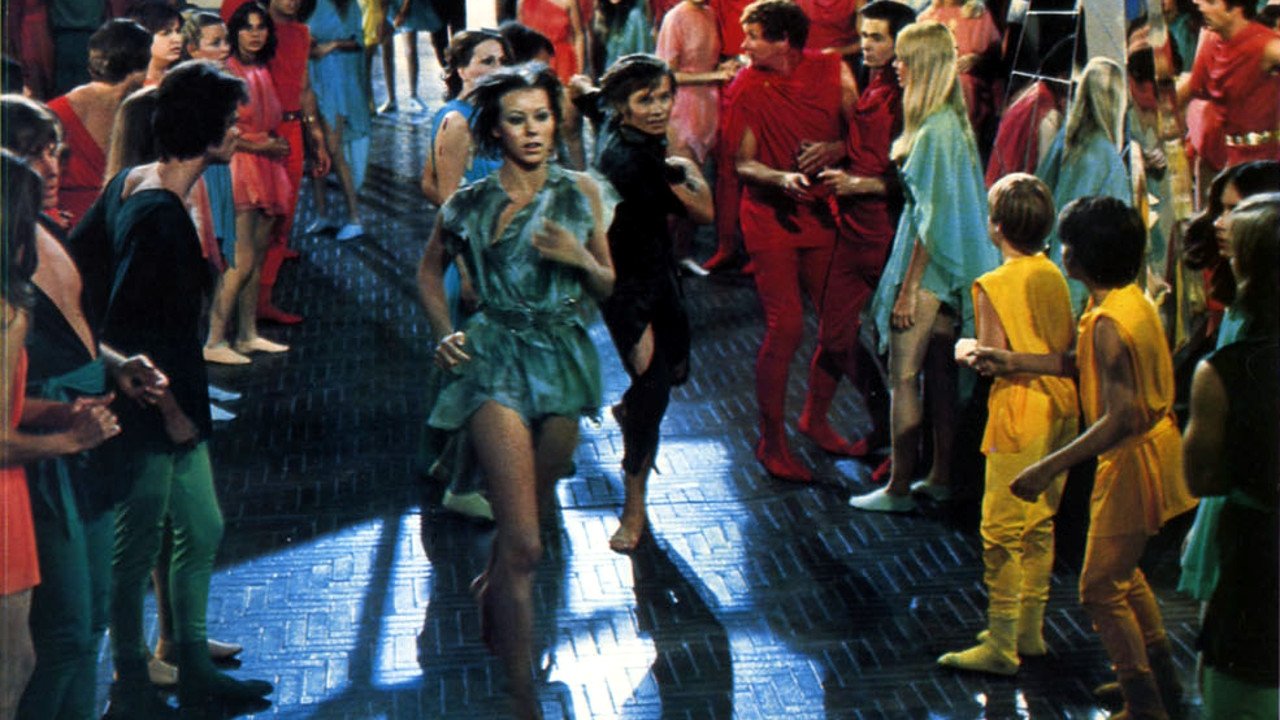
Logan's Run
The city works. That is the first thing the film establishes and the thing it never lets you forget. Nobody in the domed city of 2274 is hungry, cold, lonely, or bored. Pleasure is universally available and friction has…
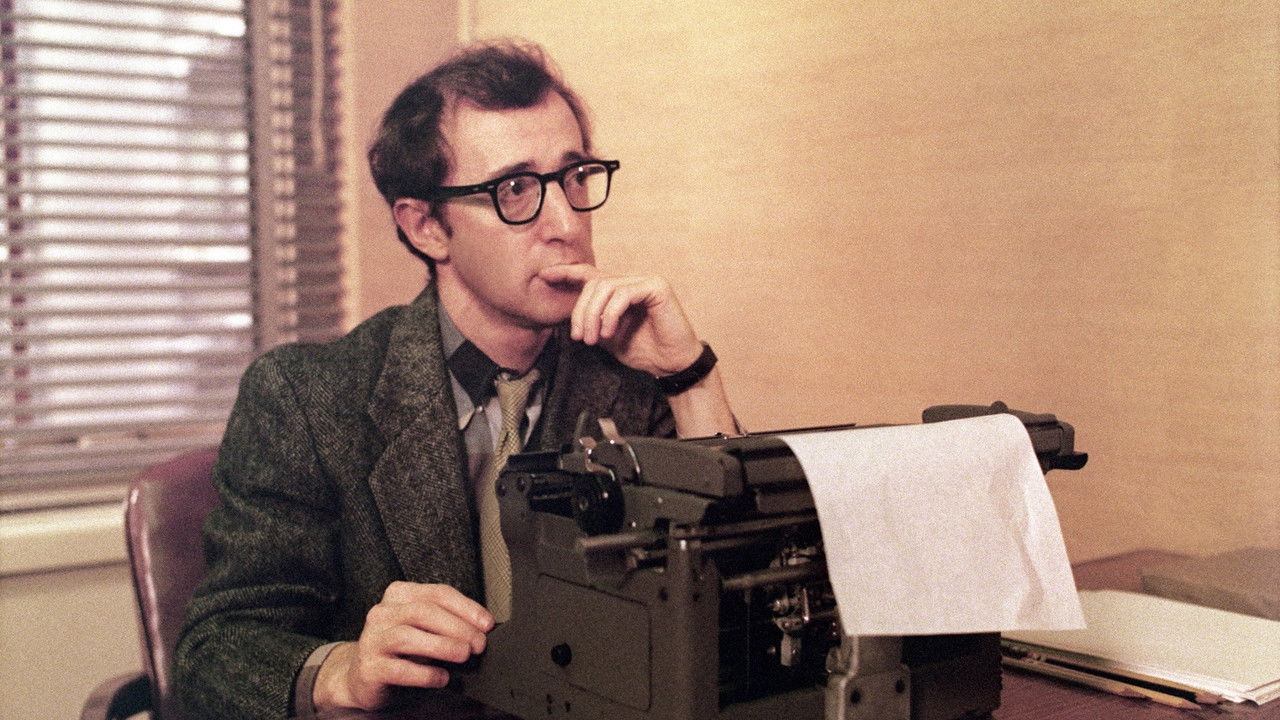
The Front
The mechanism the blacklist constructed is worth examining precisely because it was not a conspiracy in the conventional sense. Nobody in The Front is issuing direct orders to destroy careers. What Walter Bernstein's scr…
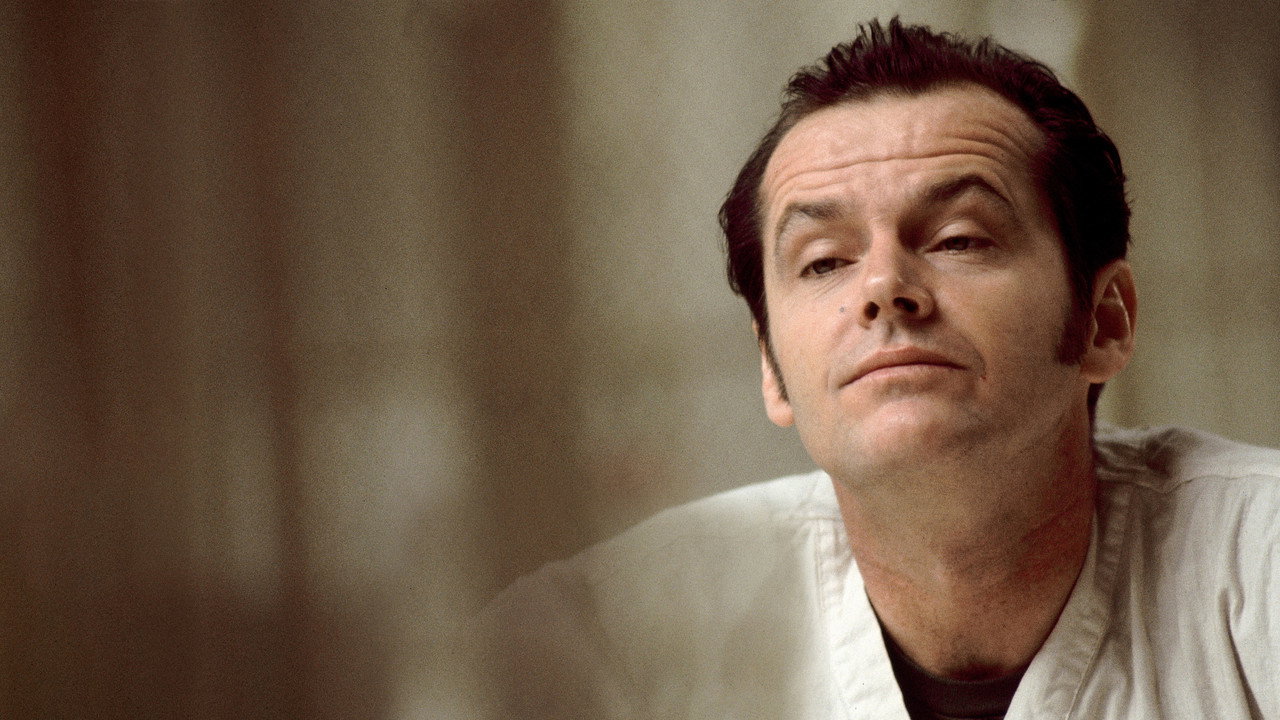
One Flew Over the Cuckoo's Nest
McMurphy arrives at the institution expecting a system he can game. He is a convict, not a patient — he got himself transferred from a prison farm on the theory that a mental hospital would be softer — and he reads the w…
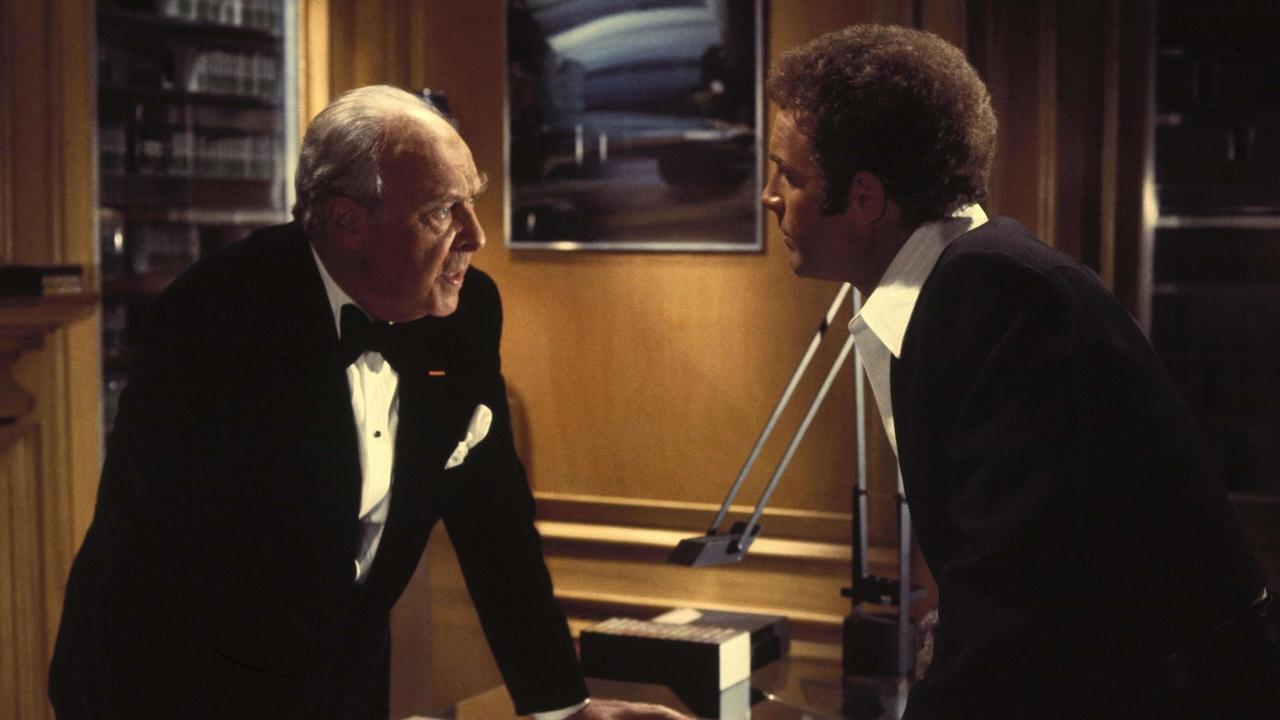
Rollerball
The premise of Rollerball sounds like a parable, and Jewison treats it like a procedural. In 2018, corporations have replaced governments, eliminated war, assigned populations to energy, food, transport and luxury conglo…
Three Days of the Condor
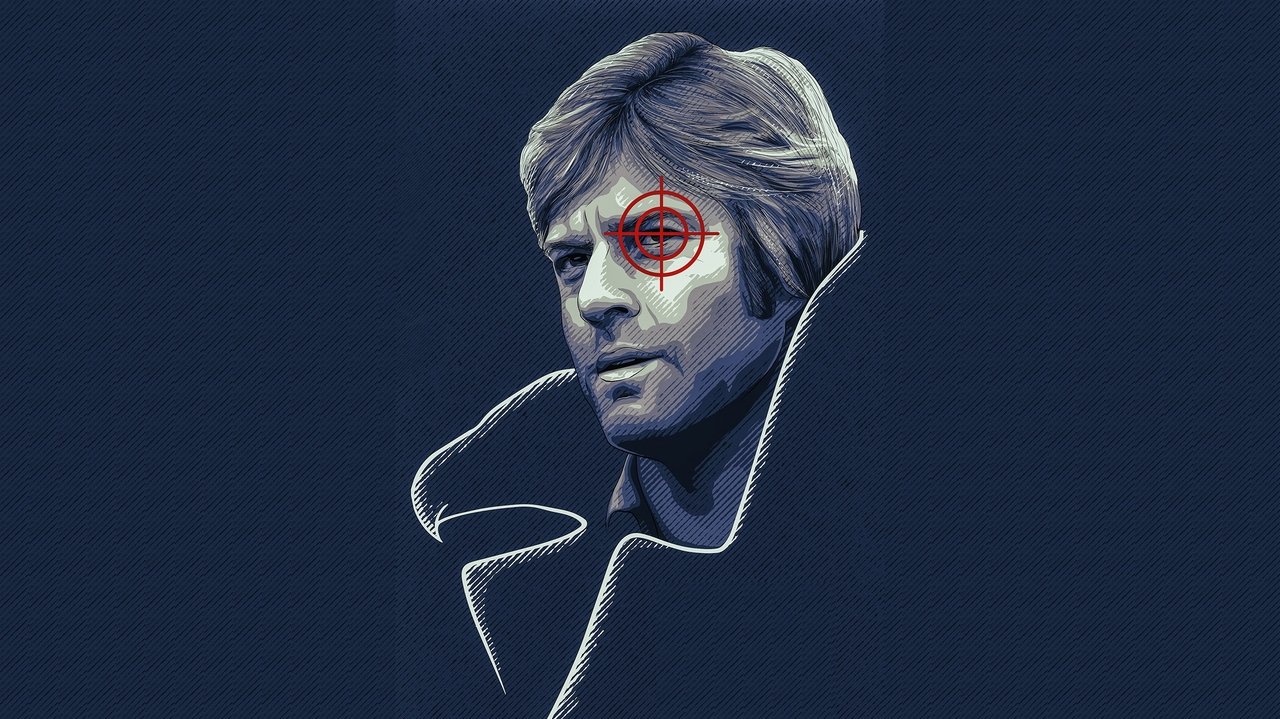
Joe Turner's job description is one of the most precise metaphors for knowledge work ever put on screen. He works for the CIA, but not in the way anyone imagines working for the CIA. His office is a brownstone in New Yor…

Chinatown
The mystery in Chinatown is solved completely, and the solving changes nothing. Jake Gittes identifies the crime — the diversion of public water to destroy the agricultural value of the San Fernando Valley so that land c…
The Parallax View
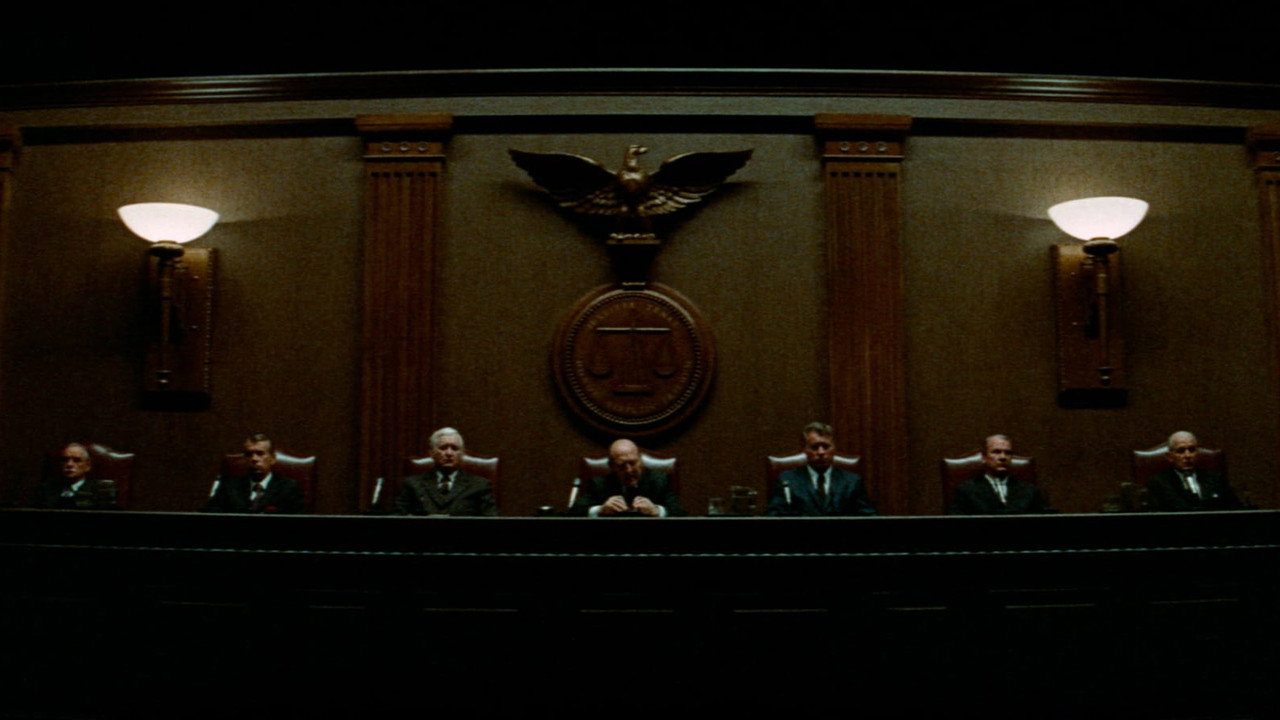
Pakula's conspiracy trilogy — Klute, The Parallax View, All the President's Men — moves from a crime with a single victim to a crime against the republic, and the middle film is the one that looks at the mechanism. Where…
Soylent Green
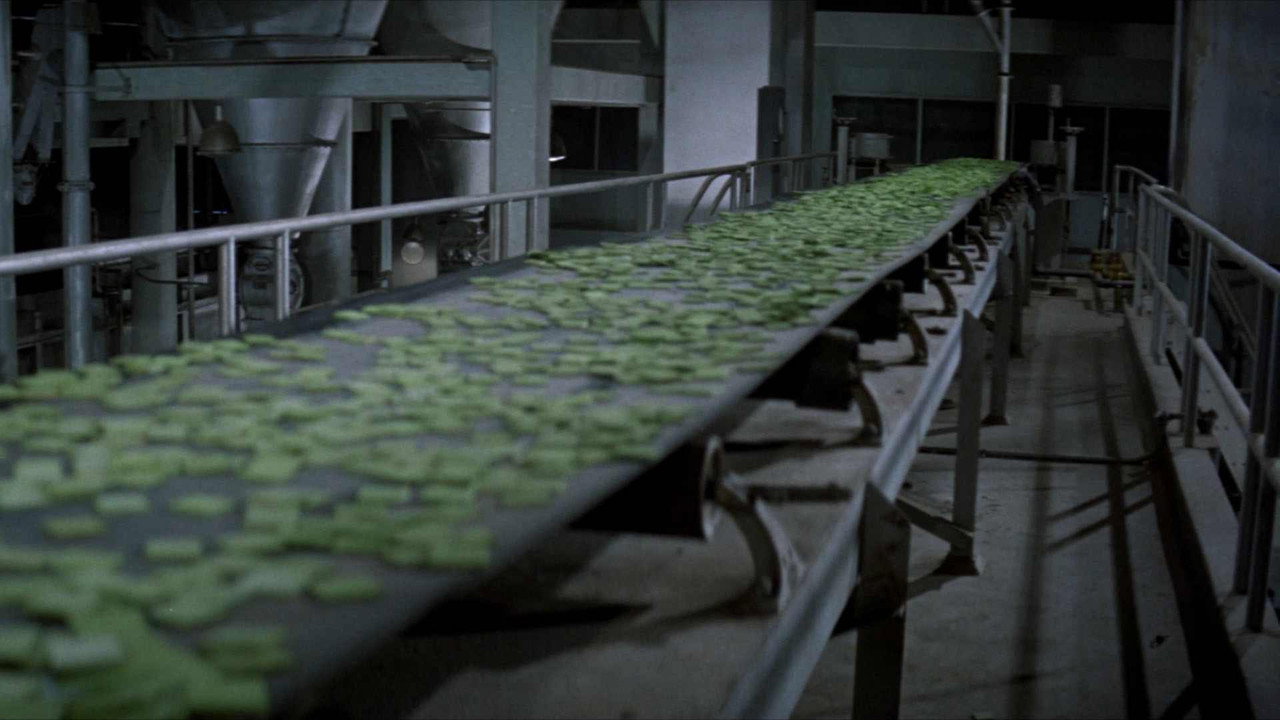
The film's most famous line is its least interesting element. Everyone knows the reveal — Soylent Green is made out of people — and the sentence has entered the language as shorthand for a terrible secret, but the secret…
The Candidate
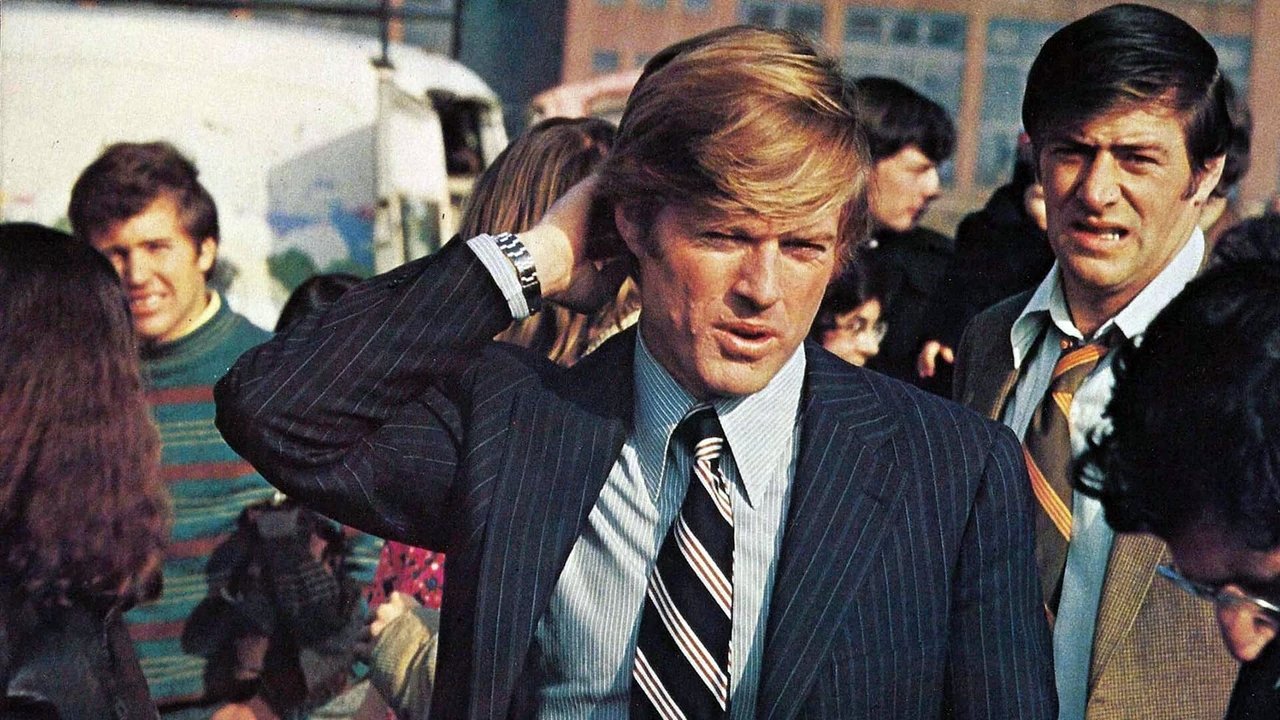
The proposition is clean. Marvin Lucas, a campaign manager who has run enough races to know exactly what losing looks like, approaches Bill McKay with an offer that sounds like freedom: run for the Senate against an incu…
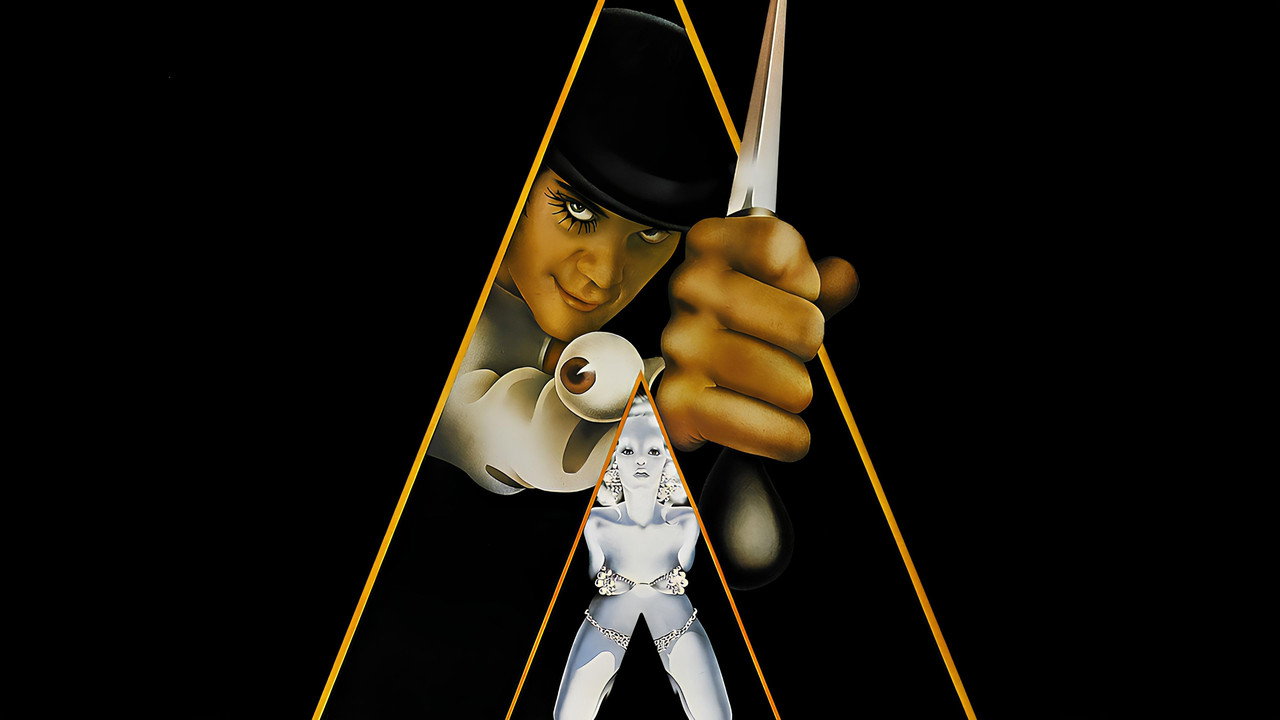
A Clockwork Orange
The Ludovico technique does exactly what it promises. Alex is conditioned to associate violence with unbearable nausea, and after two weeks of treatment he cannot raise a hand against another person without collapsing. T…
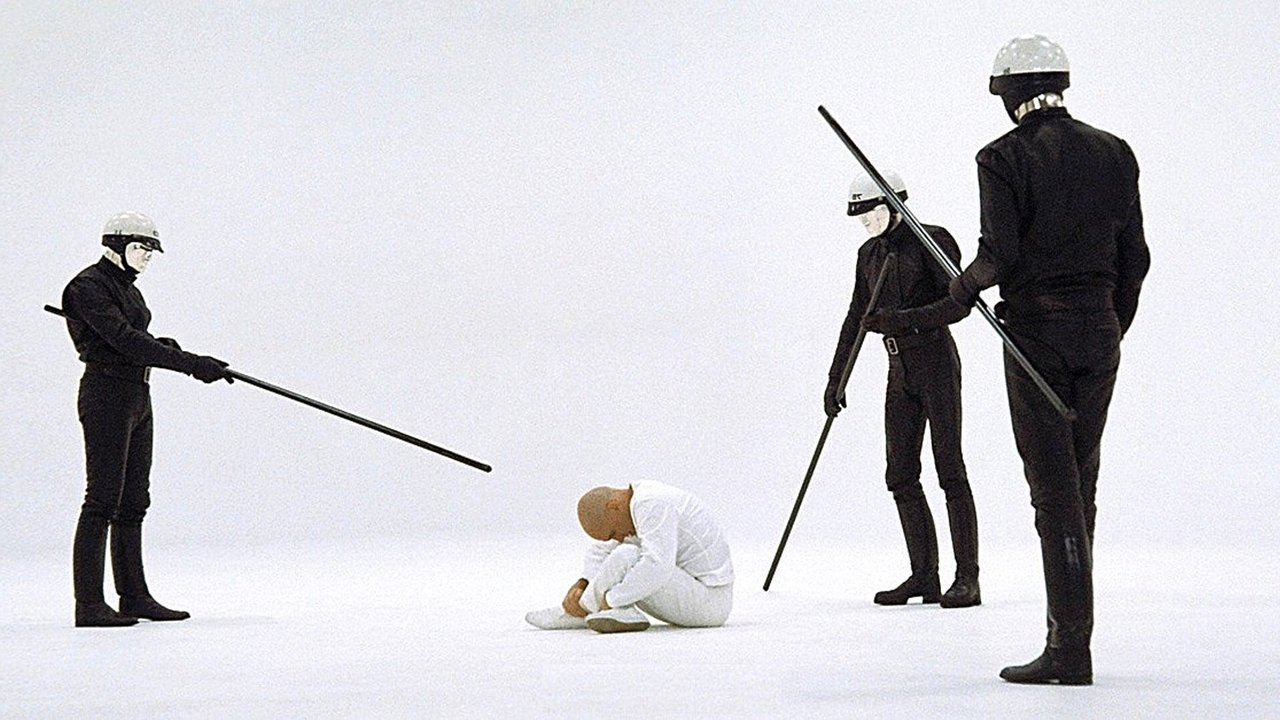
THX 1138
George Lucas made this film in 1971, before Star Wars, before Industrial Light & Magic, before merchandising became his real product — and the fact that the same person made THX 1138 and then built one of the most vertic…
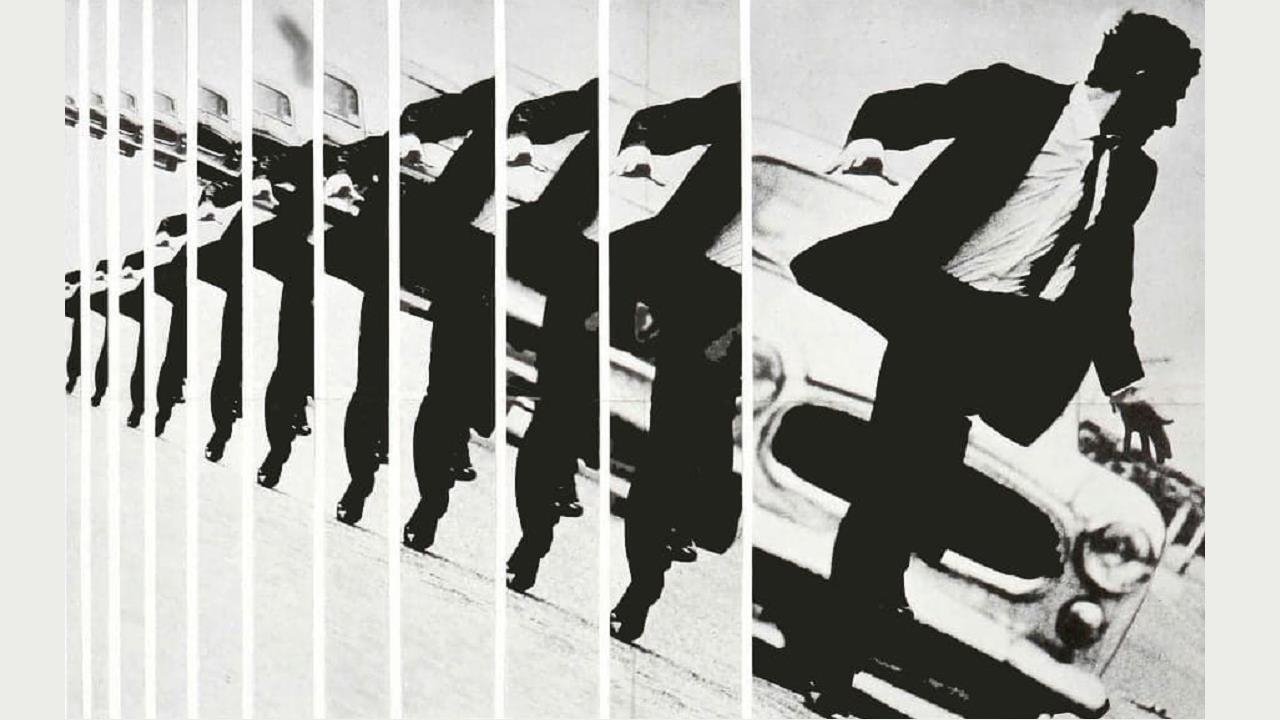
Z
The opening title card is the film's first structural claim, and it deserves to be read as one. Most films based on real events assure the audience that any resemblance to actual persons is coincidental. Z reverses the f…
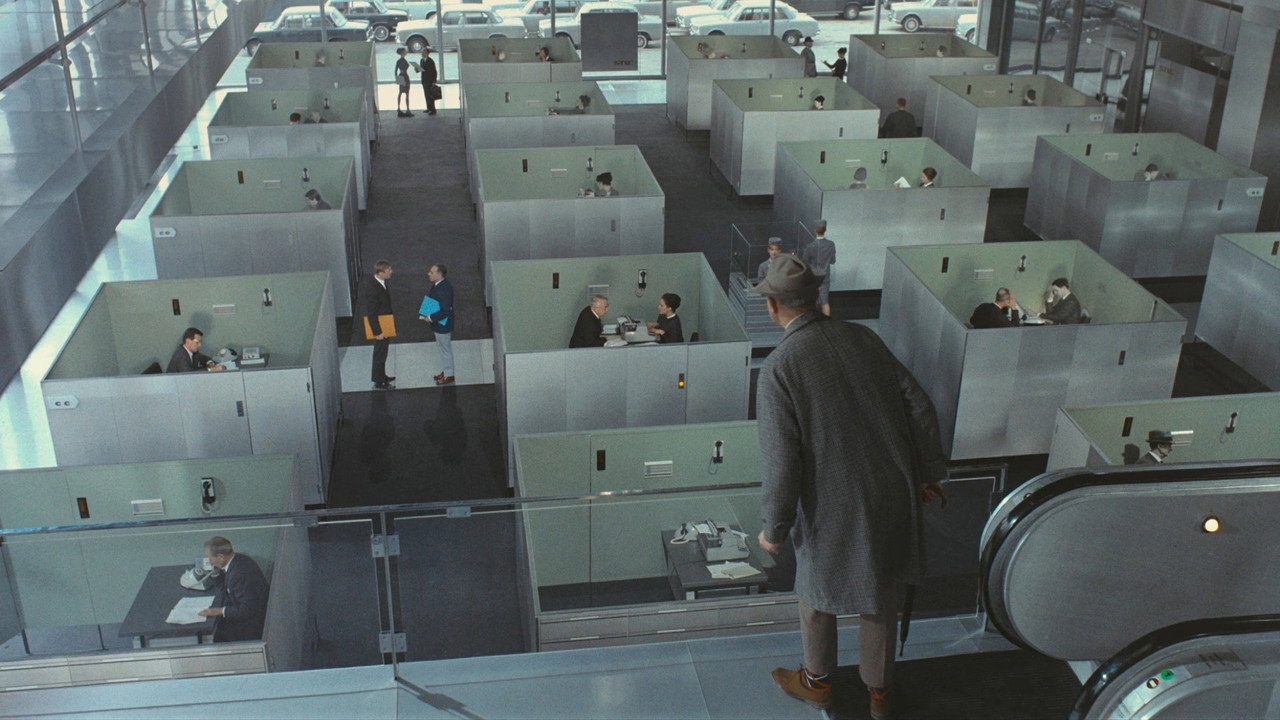
Playtime
To film a city that does not work for the people inside it, Tati built one. Tativille rose on waste ground outside Paris: glass office blocks on rails so they could be repositioned between shots, streets, traffic lights,…
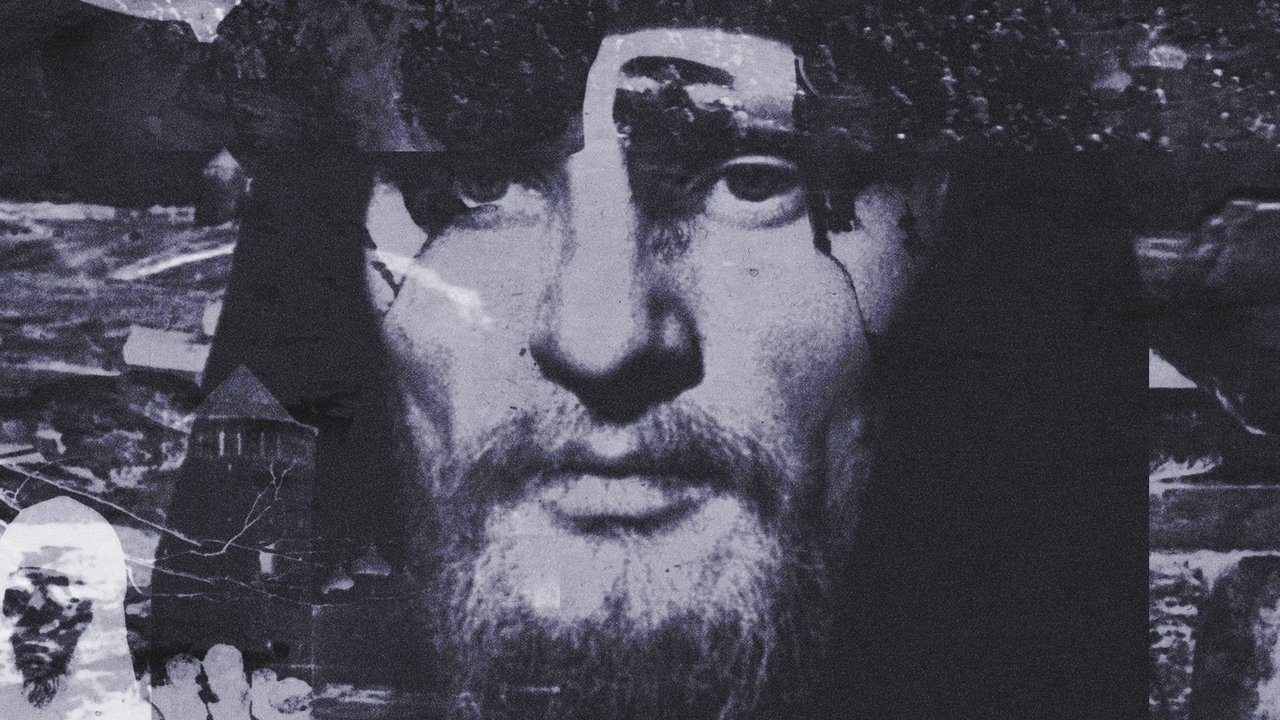
Andrei Rublev
The bell-casting sequence of Andrei Rublev runs nearly forty minutes, occupies the final episode of a three-hour film, and contains the most complete depiction of craft under radical uncertainty ever committed to any med…
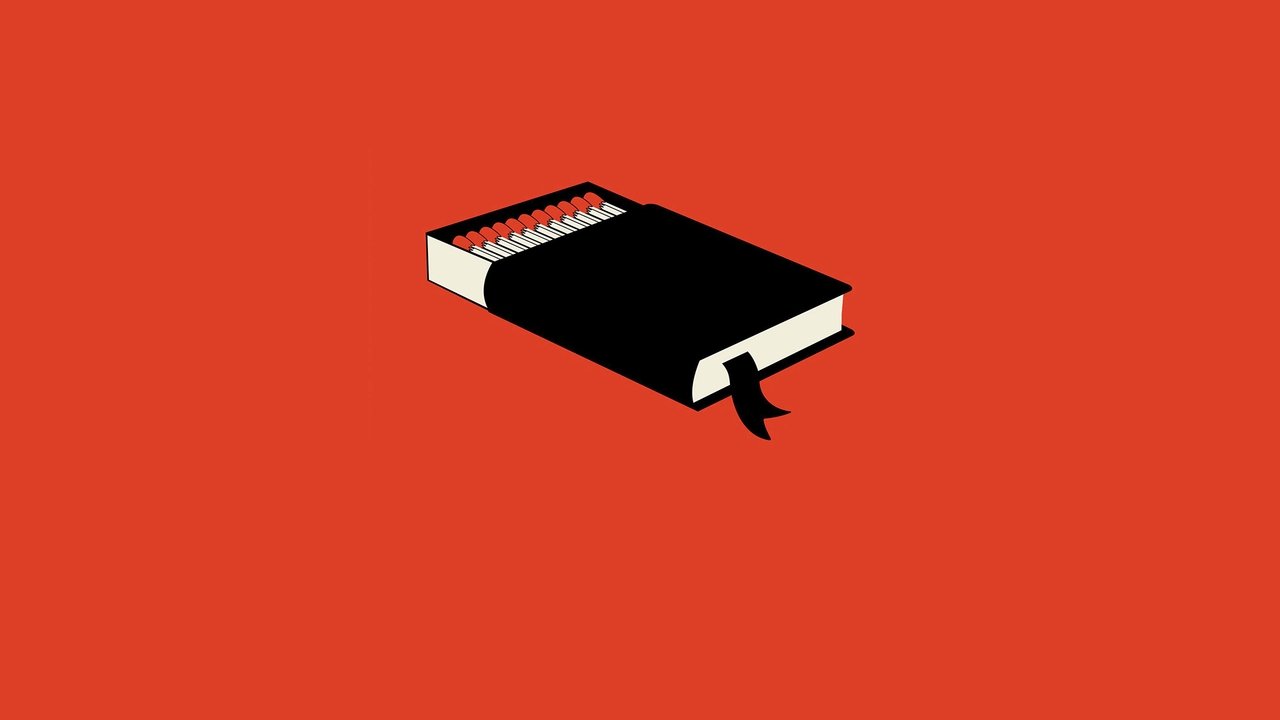
Fahrenheit 451
The firemen in Truffaut's film are not thugs, and that is the point that makes the whole thing land. Captain Beatty speaks clearly, reasons well, and explains his work with the patient authority of a man who has thought…
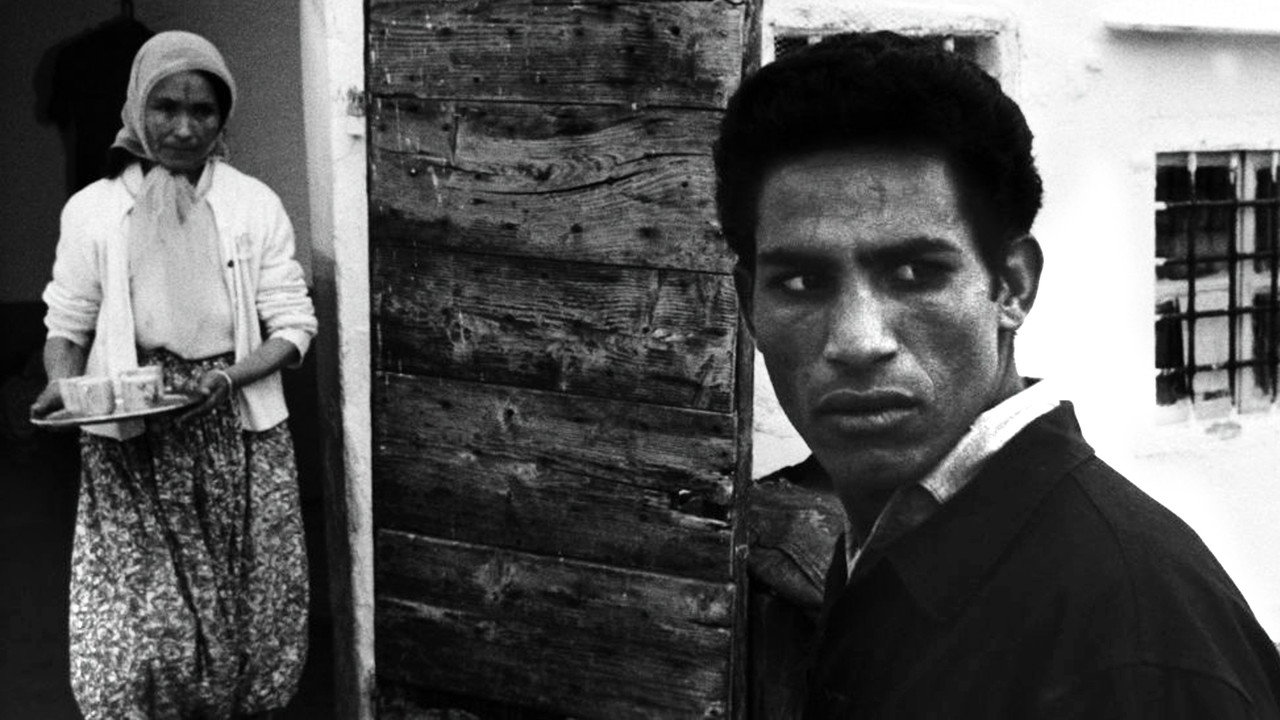
The Battle of Algiers
The chalkboard scene is the one the Pentagon screened. Colonel Mathieu stands before his officers and draws a pyramid. At the top is the FLN's military command. Below it, zone leaders. Below them, sector leaders. Below t…
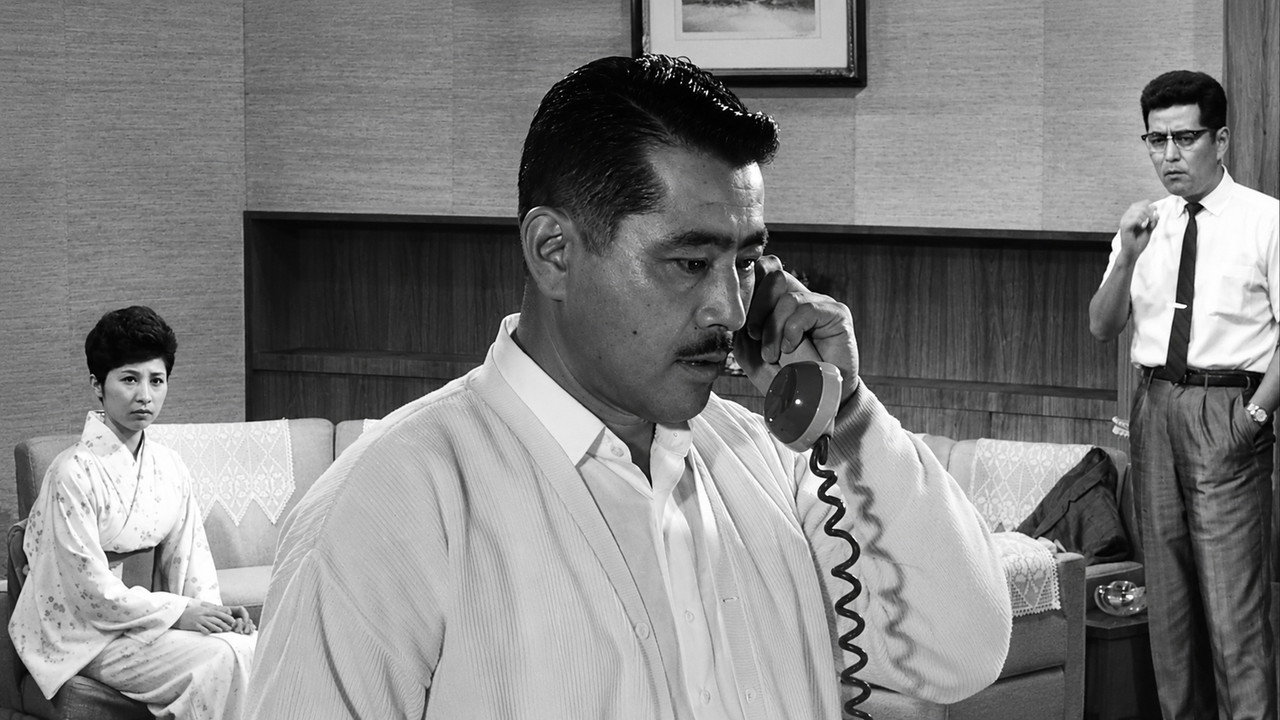
High and Low
The film's Japanese title — Tengoku to Jigoku, Heaven and Hell — announces its architecture before a single frame. Kingo Gondo's apartment sits literally above the city of Yokohama, a glass-and-steel tower from which the…
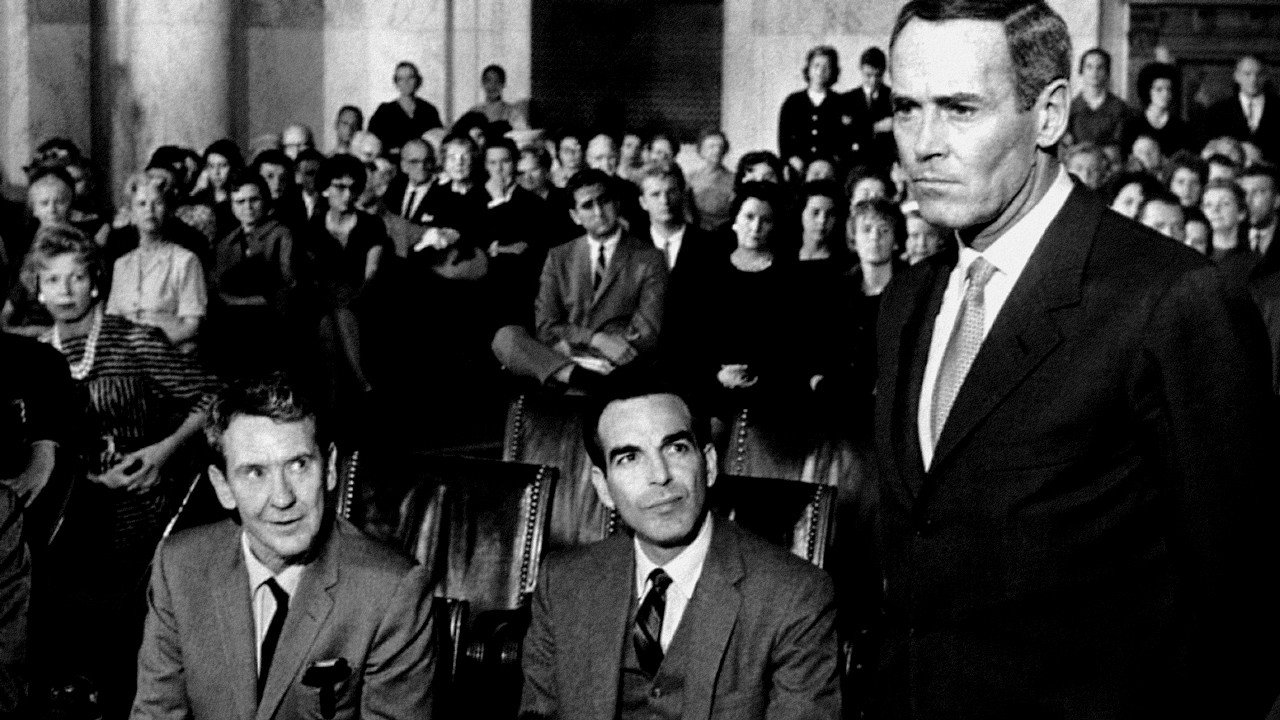
Advise & Consent
Advise & Consent is a film about a process, not a verdict. The confirmation hearing for Robert Leffingwell as Secretary of State functions less as a courtroom drama than as an extended study in how institutions produce d…
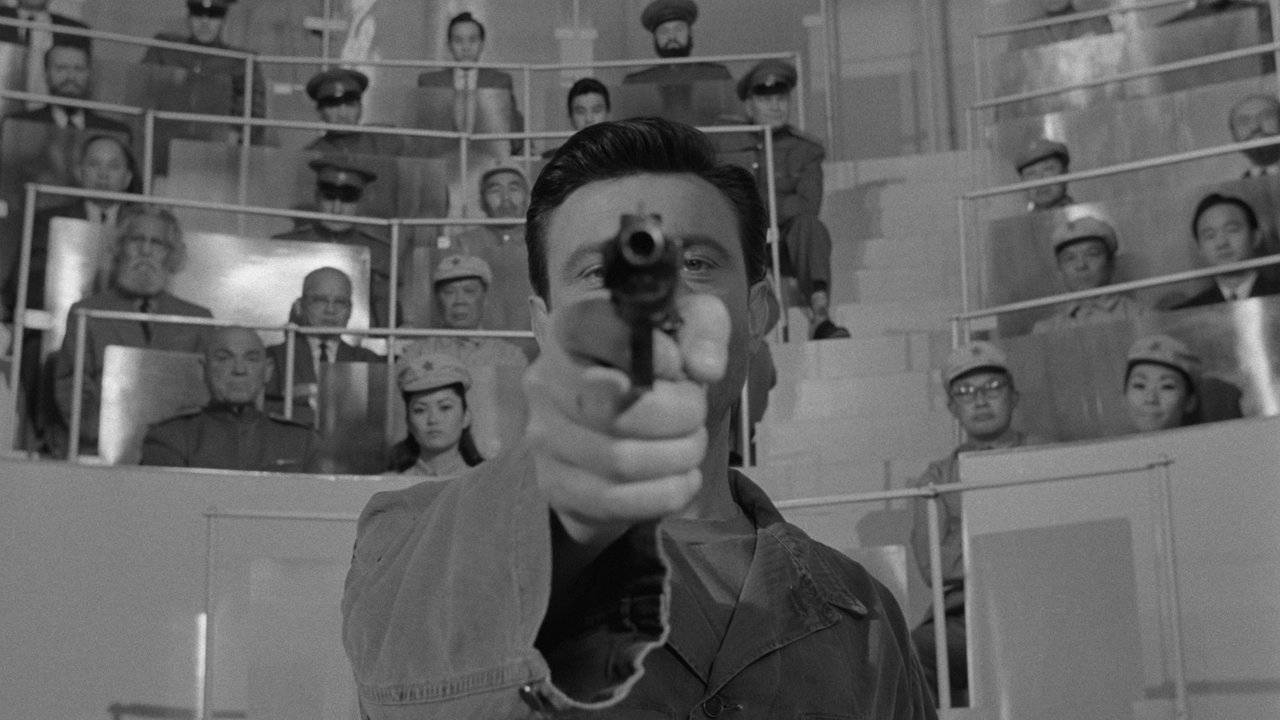
The Manchurian Candidate
The most disturbing scene in The Manchurian Candidate is not the brainwashing sequence in Manchuria, where American soldiers sit in a hotel garden listening to a lecture on hydrangeas while in reality being demonstrated…
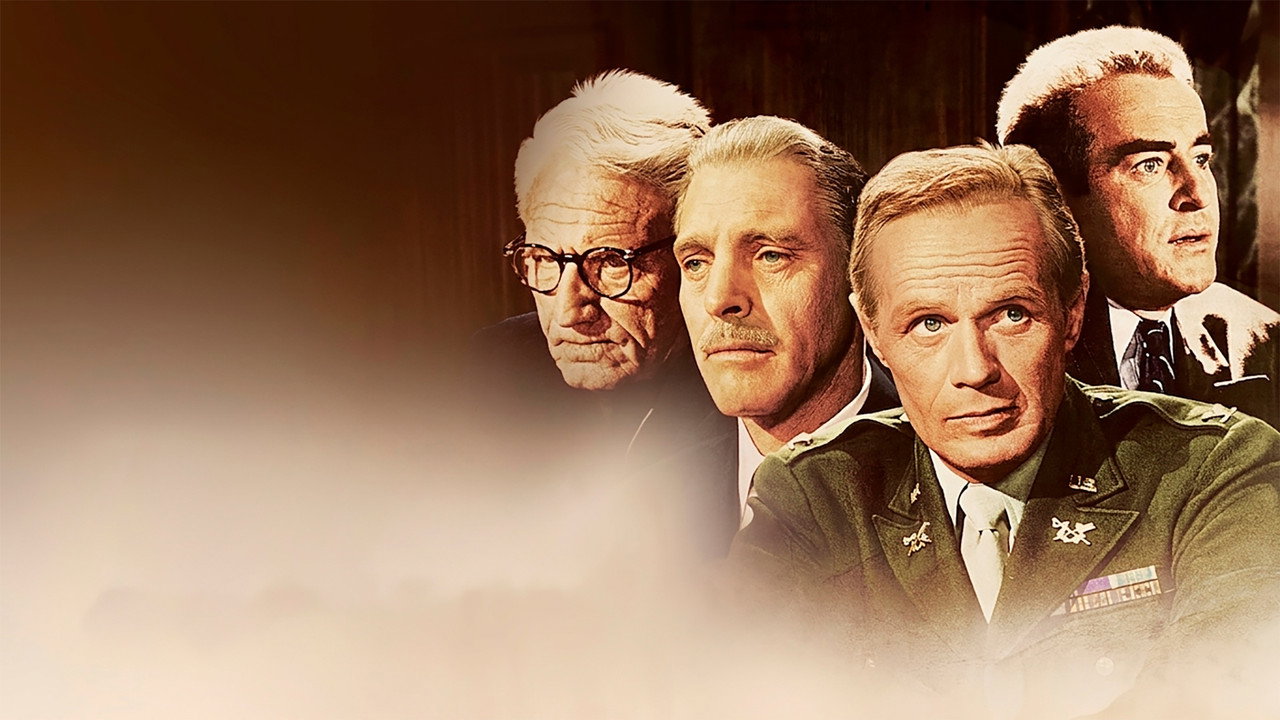
Judgment at Nuremberg
The central argument of Judgment at Nuremberg is not about the Nazi defendants in the dock — it is about the judges who put them there, and what that judgment costs. Chief Justice Haywood arrives in 1947 as an outsider,…
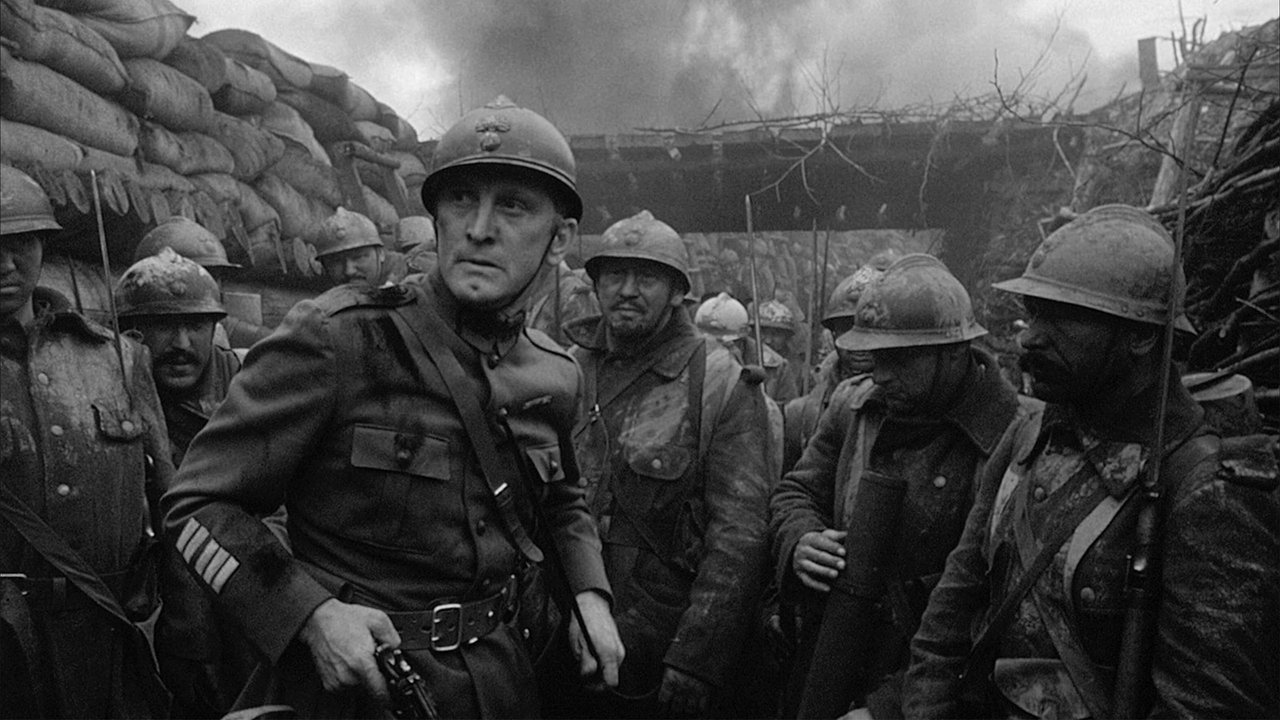
Paths of Glory
The attack on the Anthill is ordered by General Mireau, who initially refuses the mission as impossible and then accepts it within sixty seconds of learning that a promotion accompanies success. This is not a scene about…
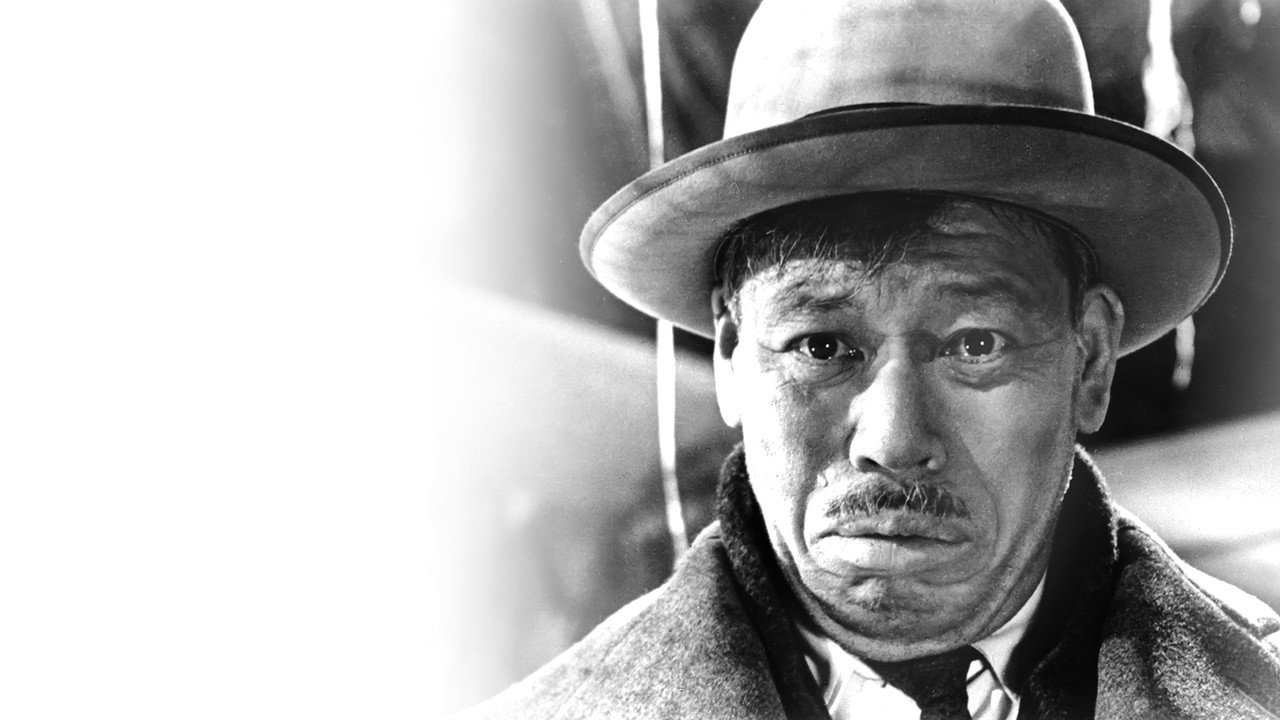
Ikiru
The first act of Ikiru is the most precise depiction of an organisation ever put on film, and it contains almost no drama. A group of women from the Kuroe neighbourhood arrives at city hall asking that a stagnant cesspoo…
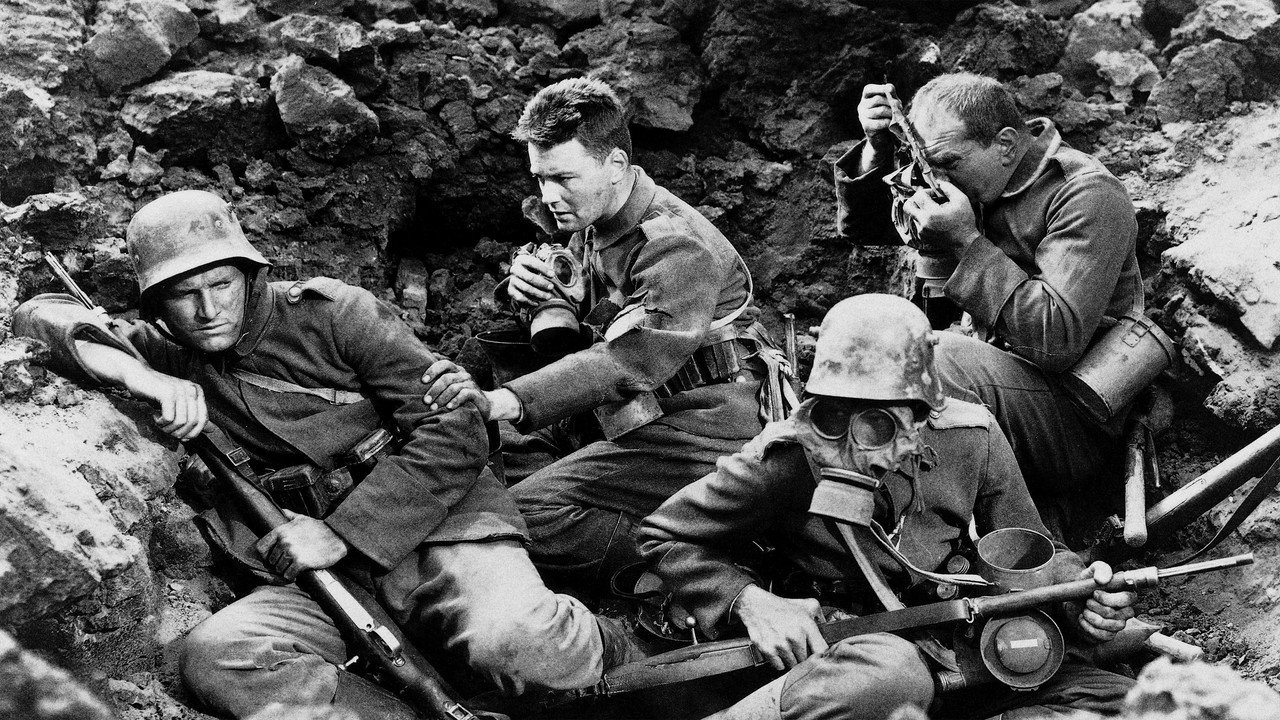
All Quiet on the Western Front
The schoolmaster Kantorek stands at the front of his classroom and delivers a speech about duty, honour, and the fatherland. His students — boys, essentially, seventeen and eighteen years old — are moved to volunteer for…